The 5 August edition of AnewZ's PrimeTime led with progress towards reopening the Strait of Hormuz, followed by analysis of regional mediation efforts and unprecedented Israel-Lebanon border talks.
Strait of Hormuz negotiations
The programme focused on growing hopes that the Strait of Hormuz could reopen after weeks of disruption, as Iran and Oman reported progress in talks aimed at restoring commercial shipping through one of the world's most important energy corridors.
While U.S. President Donald Trump and Treasury Secretary Scott Bessent expressed optimism that a breakthrough could be reached soon, Tehran maintained that it was negotiating only with Oman and not directly with Washington. The programme also examined the potential impact of reopening the waterway on global energy markets and freedom of navigation.
PrimeTime featured analysis from political analyst Nuno Wahnon Martins, who discussed the conflicting narratives emerging from Washington and Tehran, the role of regional mediators, and the challenges facing any potential agreement. He argued that Oman remains the most credible intermediary, while warning that any deal would remain fragile unless broader geopolitical tensions are addressed.
Regional diplomacy and energy security
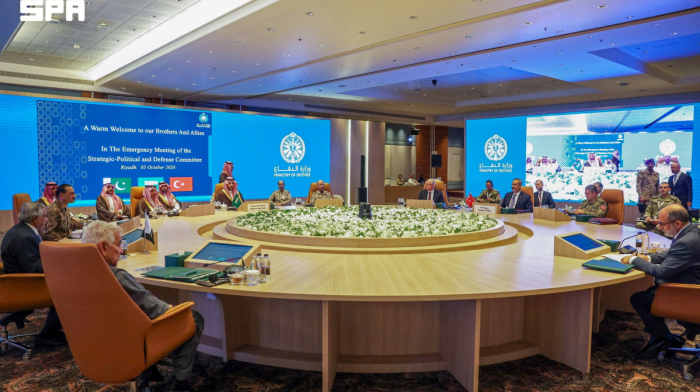
The programme also explored the wider diplomatic efforts involving Oman, Qatar and Pakistan, examining why the three countries have emerged as key mediators between Iran and the United States. It analysed the proposed shipping arrangement through the Strait of Hormuz, the implications for oil markets and commercial shipping, and the economic and military costs of the recent conflict.
The discussion also considered whether current negotiations could evolve into broader U.S.-Iran engagement or remain limited to restoring maritime security.
Israel-Lebanon talks
PrimeTime also covered the latest round of U.S.-mediated negotiations between Israel and Lebanon in Rome, aimed at advancing Israeli withdrawals from southern Lebanon, strengthening the deployment of the Lebanese armed forces and moving towards a longer-term security arrangement. The programme explored the major obstacles facing the talks, including Hezbollah's future role, border security and the prospects for a more durable peace.
The bulletin featured analysis from Misgav Institute Executive Director Asher Fredman, who discussed the significance of the negotiations, Israel's security concerns, the Lebanese government's ability to limit Hezbollah's influence and the potential for the talks to lay the foundations for wider regional normalisation if they succeed.
Global developments
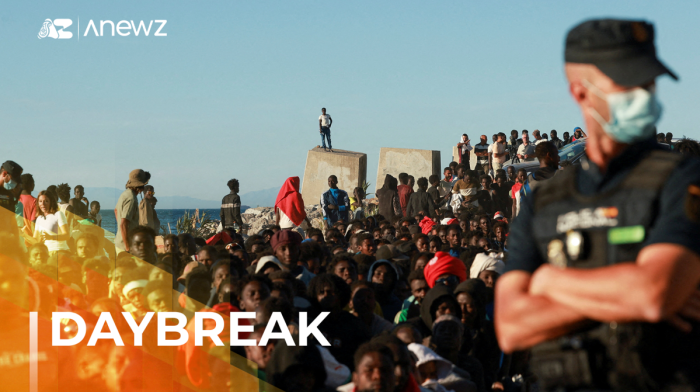
PrimeTime also rounded up major international stories. It highlighted growing pressure on the European Union after more than 70,000 migrants entered Spain's Ceuta territory from Morocco, prompting calls for stronger external border controls and criticism of Madrid's handling of the crisis.
The programme also reported on a surge in antisemitic incidents across Britain, renewed efforts to contain a deadly Ebola outbreak in the Democratic Republic of Congo, Afghanistan's rejection of allegations that armed groups are using its territory to threaten neighbouring countries, and Pakistan and the United States reaffirming their counterterrorism partnership.
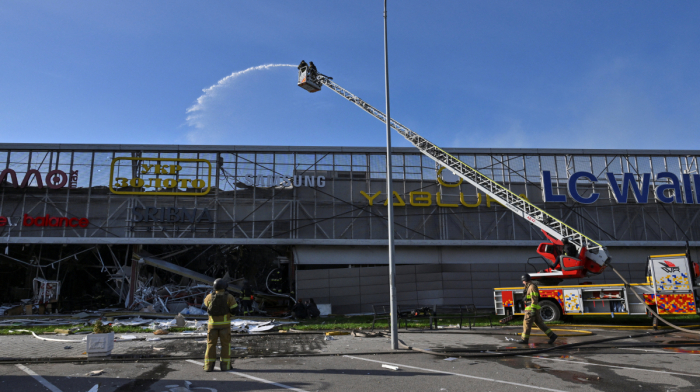
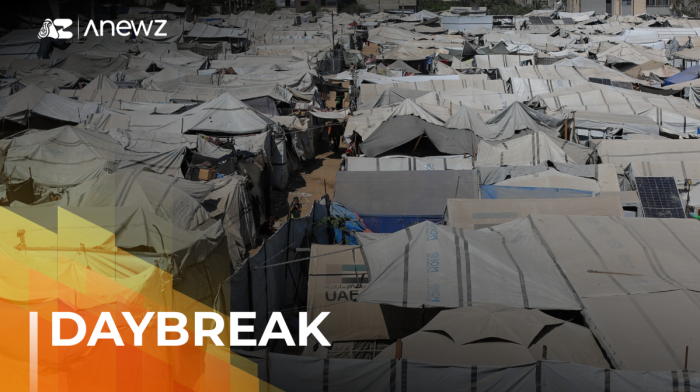
The edition also covered new overnight Russian strikes on Kyiv and Ukrainian drone attacks inside Russia, as well as mounting pressure on hospitals in Gaza, where shortages of essential supplies continue to strain medical services.
Read more:












What is your opinion on this topic?
Leave the first comment