Rohingya genocide explained: What the landmark ICJ ruling means for Myanmar
The United Nations' highest court has ruled that Myanmar committed genocide against its Rohingya Muslim minority during a 2017 military crackdo...
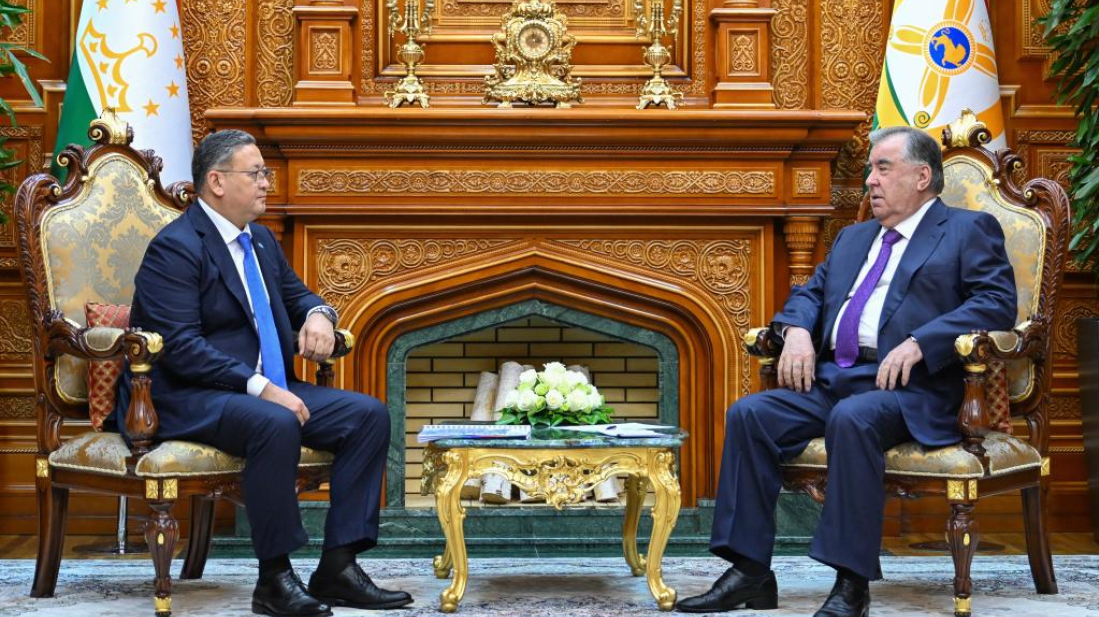
Kazakhstan and Tajikistan pledged to expand cooperation and strengthen regional stability during Kazakh Foreign Minister Murat Nurtleu’s official visit to Dushanbe this week.
Nurtleu met with Tajik counterpart Sirojiddin Mukhriddin and President Emomali Rahmon, with talks covering politics, trade, energy, transport, and cultural ties, Kazakhstan’s Foreign Ministry said Friday.
The two countries agreed to raise bilateral trade to $2 billion, with Kazakhstan planning to increase exports of agricultural, food, and engineering products by $200 million.
“Kazakhstan highly appreciates Tajikistan’s efforts to strengthen stability and security in Central Asia,” Nurtleu said.
Rahmon hailed the partnership, voicing support for regional initiatives spearheaded by Kazakh President Kassym-Jomart Tokayev. He also signed the Treaty on Friendship, Good-Neighborliness and Cooperation for the Development of Central Asia in the 21st Century, underscoring both countries’ commitment to long-term collaboration.
Kazakhstan and Tajikistan highlighted that their growing alliance plays a vital role in ensuring peace, security, and sustainable development across the region.
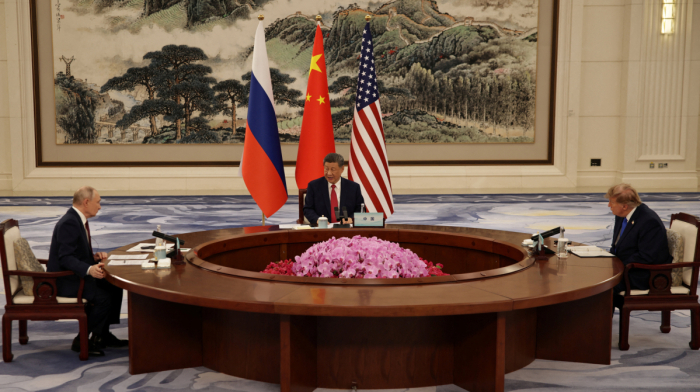
U.S. President Donald Trump, Russian President Vladimir Putin and Chinese President Xi Jinping are holding trilateral talks at the APEC summit in Shenzhen, China, with Ukraine, nuclear arms control and global security on the agenda.
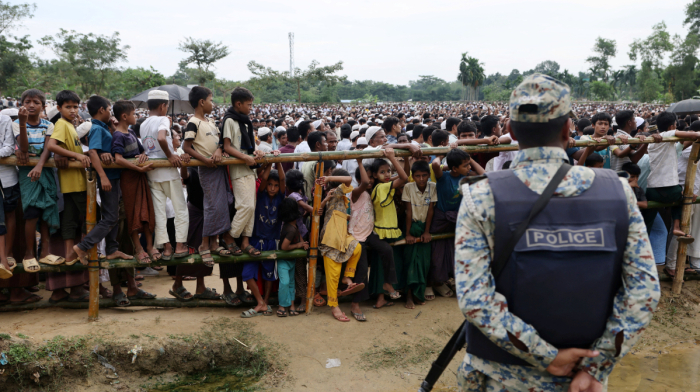
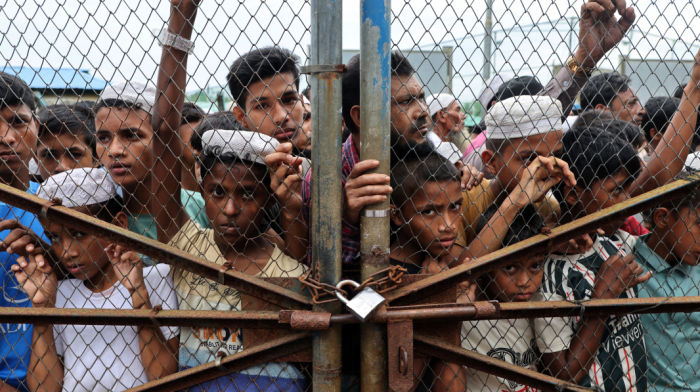
Myanmar's security forces committed genocide against Rohingya Muslims during a brutal military crackdown in 2017 that killed thousands and involved widespread sexual violence, the United Nations' top court ruled on 19 November.
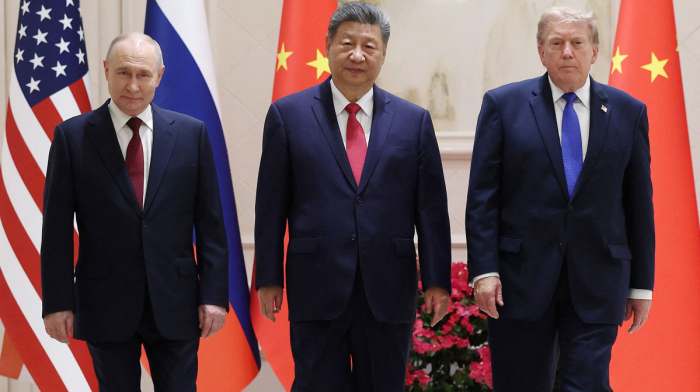
U.S. President Donald Trump, China's Xi Jinping and Russia's Vladimir Putin have issued a joint “declaration of peace” following historic talks in southern China, but stopped short of committing to nuclear arms reductions or addressing the war in Ukraine in their joint statement.
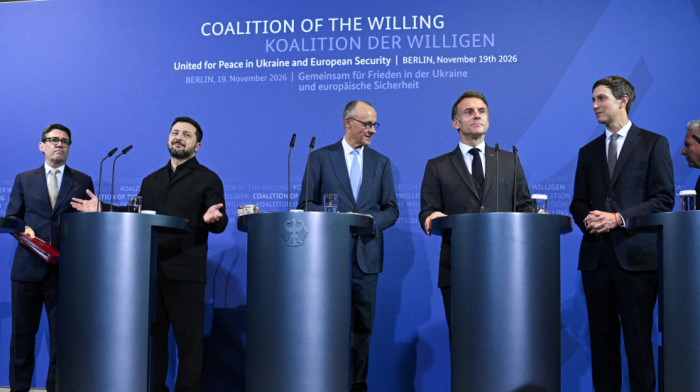
European leaders backing Ukraine met in Berlin on Thursday 19 November and warned that no peace deal should be settled without them.
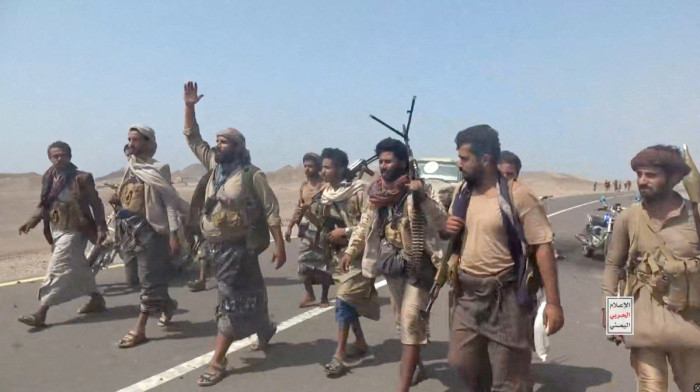
Saudi Arabia is preparing for up to six more months of fighting against Yemen’s Houthis, potentially extending the conflict into spring 2027, Reuters reported, as the kingdom struggles to secure gains on the ground.
The United Nations' highest court has ruled that Myanmar committed genocide against its Rohingya Muslim minority during a 2017 military crackdown that forced hundreds of thousands to flee their homes.
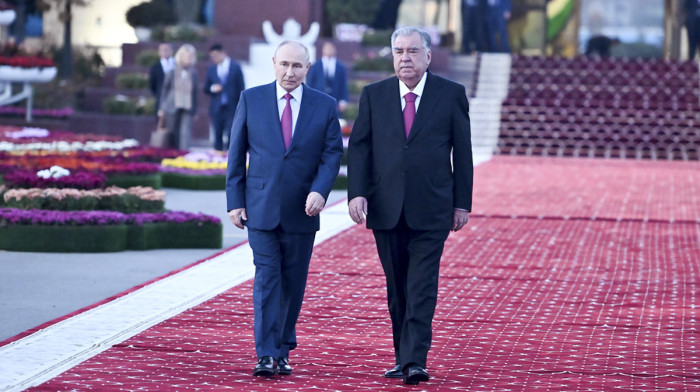
Tajik President Emomali Rahmon and Russian President Vladimir Putin held talks in Dushanbe on 20 November, focusing on labour migration, security along Tajikistan’s border with Afghanistan and the future of Russia’s military presence in the country.
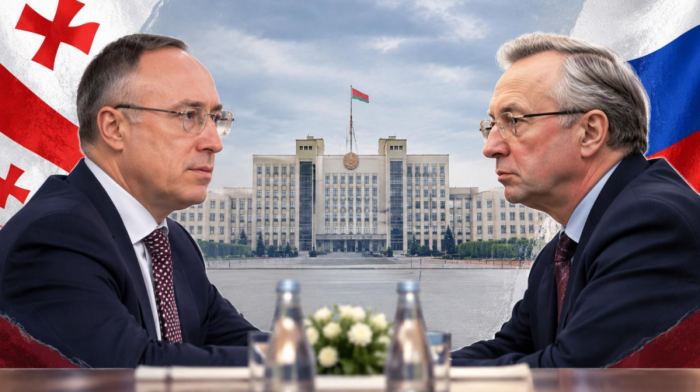
Georgia and Russia have resumed direct official talks, with senior diplomats meeting in Minsk on 19 November to discuss trade, economic cooperation and regional security, despite longstanding tensions between the two countries.
Students and workers took to the streets across Europe on Friday, 20 November, demanding better pay, affordable housing and more funding for education and public services, while protesting against rising military spending.
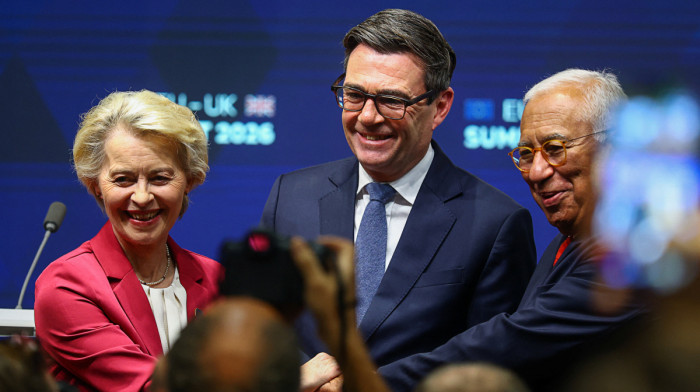
Britain and the European Union have reached an agreement to ease trade, expand opportunities for young people and deepen economic ties, in a major step towards rebuilding relations after Brexit.
You can download the AnewZ application from Play Store and the App Store.
What is your opinion on this topic?
Leave the first comment