Kabul seeks urgent boost to polio testing and health services for returnees
Afghanistan’s Health Minister has urged urgent action to strengthen domestic polio diagnostics and expand healthcare for returnees and vulnerable co...
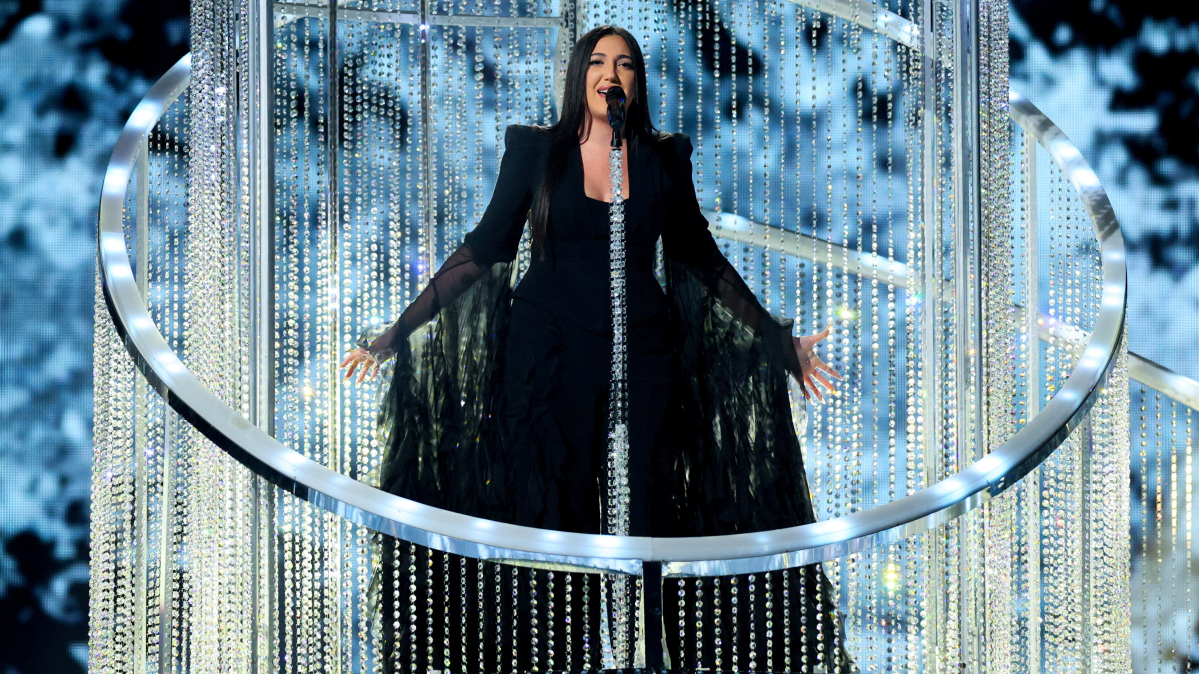
Israel was given the green light to participate in the 2026 Eurovision Song Contest on Thursday, after the organising body decided not to hold a vote on its inclusion, despite threats of boycotts from some countries over the Gaza conflict.
Following the announcement, Dutch broadcaster Avrotros declared that it would withdraw from the contest, meaning the Netherlands will not compete in the competition, which attracts millions of viewers globally.
There was no immediate response from Spanish and other national broadcasters who had previously threatened to boycott the event if Israel was allowed to participate, citing the death toll in Gaza and accusing Israel of breaching the rules designed to maintain the contest’s neutrality.
The European Broadcasting Union (EBU) stated that its members had supported new regulations aimed at preventing governments and third parties from unduly promoting songs to influence voters, following claims that Israel had unfairly boosted its entry this year.
"The vote means that all EBU members who wish to participate in the Eurovision Song Contest 2026 and agree to comply with the new rules are eligible to take part," the EBU said.
The issue has caused significant division among participants in the competition, which has a history of being entangled in national rivalries, international conflicts, and political voting.
The Dutch broadcaster explained that it had determined that, given the current circumstances, participation could not be reconciled with the core public values of its organisation.
Germany, a key supporter of Eurovision, had stated it would withdraw if Israel was excluded. Israel, which finished second in the contest this year, has not addressed the accusations but maintains it is the target of a global smear campaign.

The United States and Azerbaijan signed a strategic partnership in Baku on Tuesday (10 February) encompassing economic and security cooperation as Washington seeks to expand its influence in a region where Russia was once the main power broker.
Greek Prime Minister Kyriakos Mitsotakis arrived in Ankara on Wednesday, where Turkish President Recep Tayyip Erdoğan held an official welcoming ceremony at the Presidential Palace, marking the start of high-level talks between the two NATO allies.
The European Union is preparing a further expansion of its sanctions against Russia, with Central Asia emerging for the first time as a distinct point of focus.
A senior adviser to Iran’s Supreme Leader said on Tuesday that negotiations with the United States must remain focused on the nuclear issue and be grounded in realism, as Washington and Tehran prepare to resume talks mediated by Oman.
Russia has begun slowing down the Telegram messaging application, with Roskomnadzor, Russia’s federal communications regulator, set to implement partial restrictions from 10 February, following a wave of fines and administrative cases accusing the platform of hosting illegal content.
Stalled U.S.–Iran talks and mounting regional tensions are exposing a growing strategic rift between Washington and Tel Aviv over how to confront Tehran, political analyst James M. Dorsey says, exposing stark differences in approach at a critical moment.
A Republican lawmaker accused on Wednesday (11 February) Attorney General Pam Bondi of concealing the names of Jeffrey Epstein’s powerful associates. The claim was made during a heated House hearing on the Justice Department’s handling of the files.
Start your day informed with AnewZ Morning Brief: here are the top news stories for the 12th of February, covering the latest developments you need to know.
The Ukrainian capital came under a “massive” Russian missile attack early Thursday (12 February), with explosions heard across the capital according to authorities. The assault unfolded as uncertainty lingers over upcoming U.S.-brokered peace talks.
The U.S. House of Representatives narrowly backed a measure on Wednesday (11 February) disapproving President Donald Trump's tariffs on Canada, a rare rebuke of the president and leaders of his party in the Republican-majority House.
You can download the AnewZ application from Play Store and the App Store.
What is your opinion on this topic?
Leave the first comment