The death toll from the powerful earthquake that struck Japan’s southwestern Kumamoto prefecture has risen to 30, Prime Minister Sanae Takaichi said on Thursday, as water and power shortages left survivors exposed to extreme summer heat.
Speaking at a meeting of the government’s emergency disaster management headquarters, Takaichi said the figure was accurate as of 12:30 local time.
The total includes people whose deaths are still being investigated to determine whether they were directly linked to the earthquake.
The magnitude 7.1 earthquake struck Kumamoto prefecture at 16:27 local time on Tuesday at a depth of approximately 10 kilometres, according to the Japan Meteorological Agency.
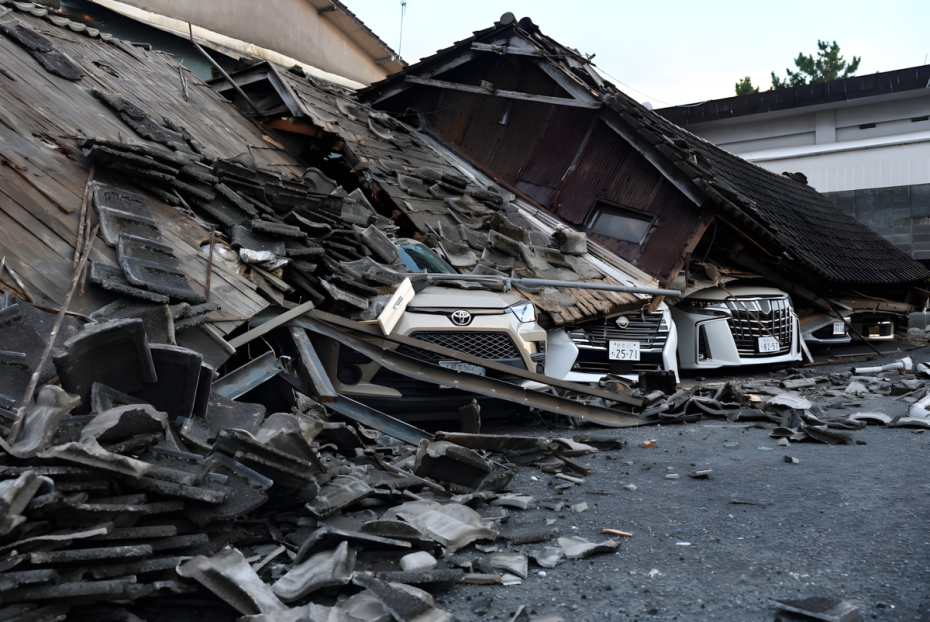
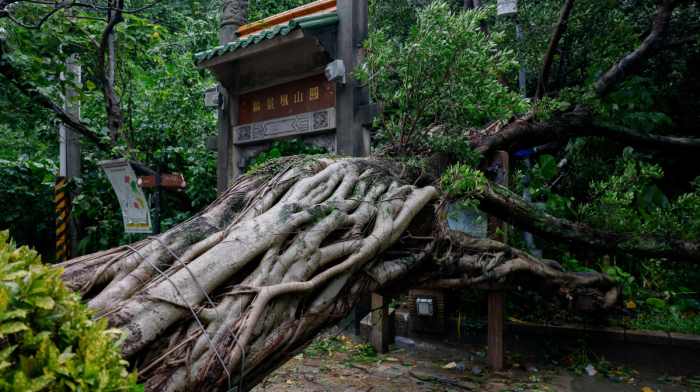
The tremor toppled homes, damaged factories, split open roads and affected bridges and other infrastructure across the region.
Most confirmed deaths reported at factory and shopping centre
Kumamoto prefectural authorities had earlier confirmed 17 deaths directly linked to the disaster.
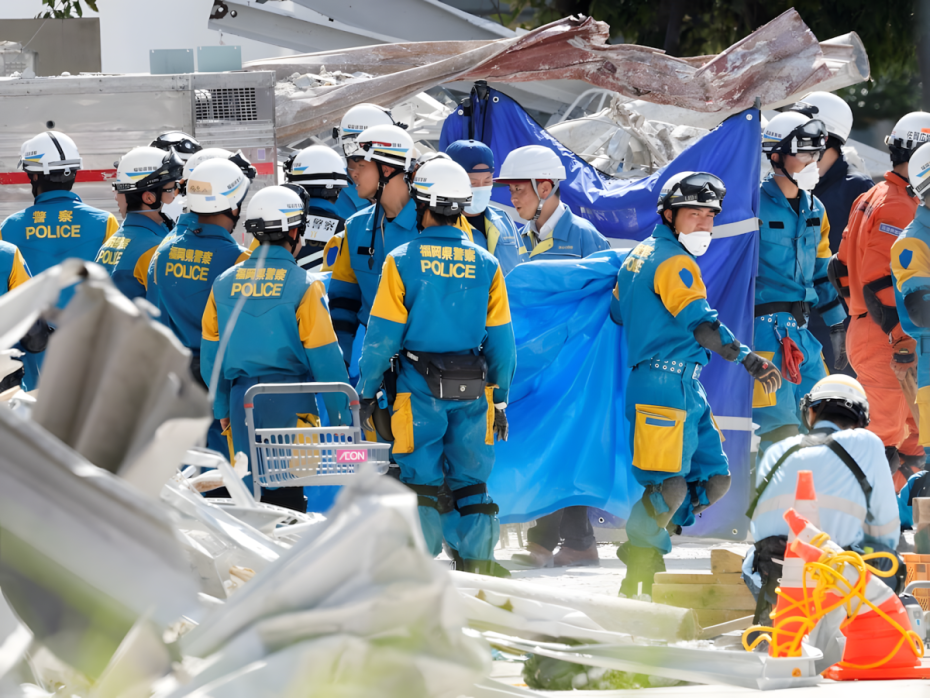
Most of the confirmed victims were killed at a Nippon Paper Industries mill that suffered major structural damage and at an Aeon shopping centre, where a possible gas explosion occurred.
Footage from the affected areas showed collapsed structures in Hikawa, extensive damage at industrial facilities in Yatsushiro and fire damage at the Aeon Mall Kumamoto complex in Kashima.
Six other people had previously been reported to be in cardiopulmonary arrest, a term commonly used by Japanese authorities before a formal declaration of death.
Rescue teams continued searching damaged buildings on Thursday as officials assessed the full extent of the destruction.
One of the victims was reportedly a newlywed Vietnamese factory worker who left behind his wife and seven-month-old child.
His wife, Vũ Thị Thuý, told Vietnamese media that she had spoken to her husband by video call on the night before the earthquake. She said their baby, who usually paid little attention during the calls, remained focused on his father for an unusually long time.
She said she had no idea it would be their final conversation.
Households remain without water and electricity
Many households in the port city of Yatsushiro remained without running water or electricity on Thursday, two days after the earthquake.
The city has approximately 58,000 households, and local authorities said badly damaged water mains could take considerable time to repair.
Akio Matsushita, a city official helping to coordinate relief efforts, said there was no clear timetable for restoring the water network.
“Because of the summer heat, the lack of water is especially difficult,” he said.
The toilets inside Yatsushiro City Hall were no longer functioning, forcing officials to install temporary toilets over sewer manholes outside the building.
Temperatures in the area reached around 35°C, accompanied by high humidity.
Residents also reported crowded shops, shortages of essential goods and long queues at petrol stations as communities attempted to secure supplies.
Authorities warn of heatstroke risk
Officials warned that temperatures could approach 40°C over the weekend, raising concerns about heatstroke among displaced residents, rescue workers and people living without electricity or running water.
Japan’s Self-Defense Forces are installing approximately 300 air-conditioning units at evacuation centres and other essential locations across Kumamoto.
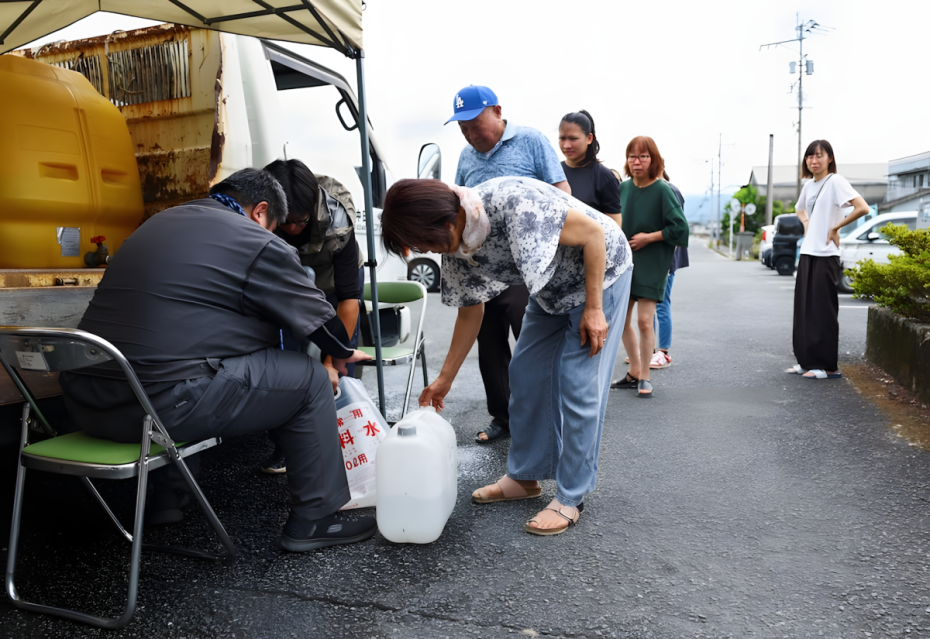
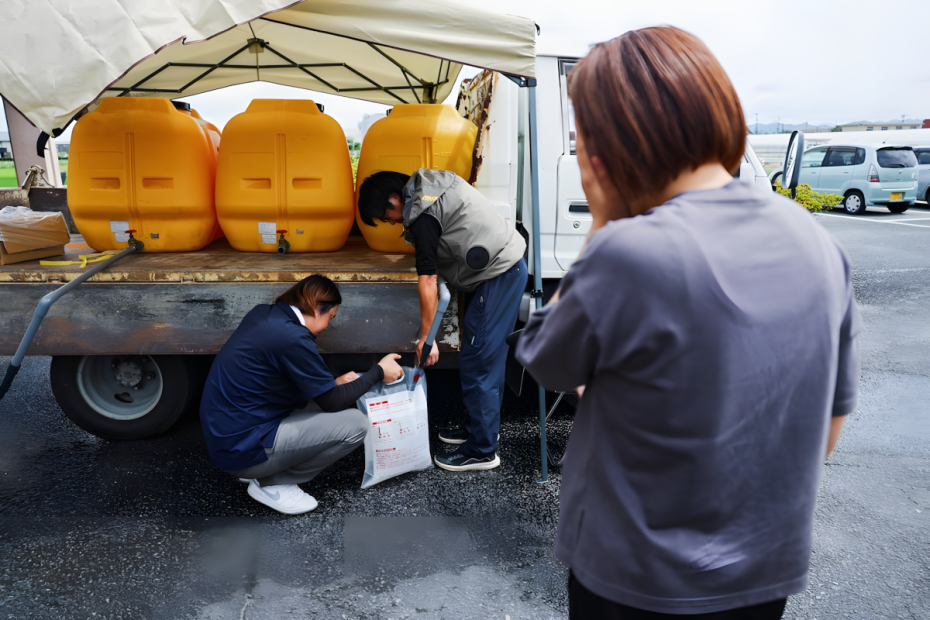
Military trucks have also transported water tanks to community centres and schools throughout Yatsushiro.
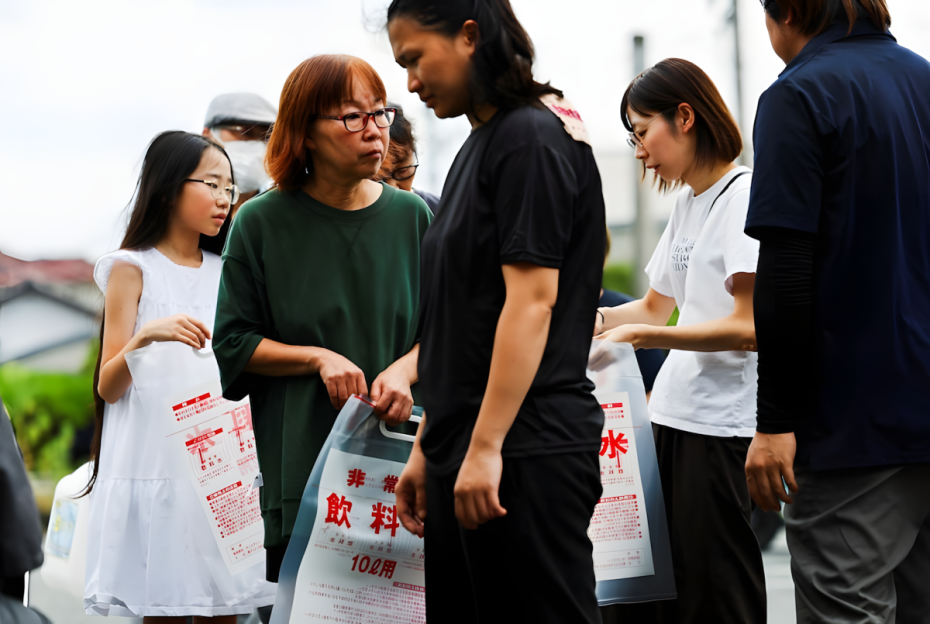
Residents collecting emergency supplies were initially limited to five litres of water each.
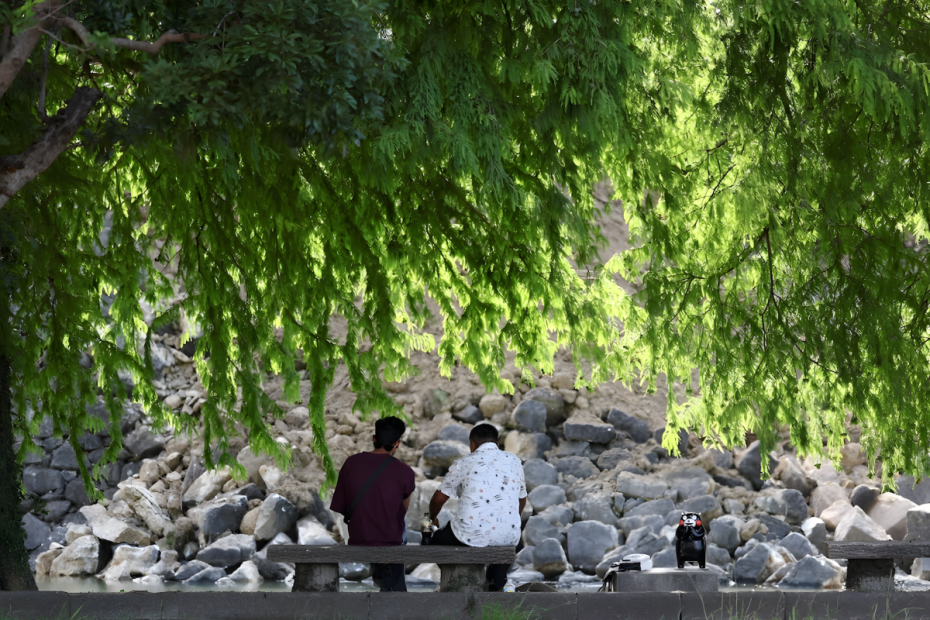
Local resident Masahiro Miyamoto said he had been helping clear rubble from a collapsed temple gate before returning to find his own house still standing beside the remains of a neighbour’s home.
With no running water, he was forced to rely on water delivered by the military.
Officials said emergency personnel would continue prioritising water distribution, electricity restoration and measures to protect vulnerable residents from the heat.
Major manufacturers suspend production
The earthquake has also disrupted industrial operations across Kyushu, an important production centre for Japan’s automotive and semiconductor industries.
Toyota, Honda, Nissan, automotive parts supplier Aisin and electronics manufacturer Sony halted some production while inspections were carried out.
Taiwan Semiconductor Manufacturing Company evacuated employees and temporarily suspended operations to assess possible damage at its facilities.
The disruption has raised concerns about the earthquake’s potential impact on automotive and semiconductor supply chains, although the full economic impact remains unclear.
Chief Cabinet Secretary Minoru Kihara said the government’s immediate priority was restoring infrastructure, including ports and other essential facilities.
He said authorities would closely monitor the effects on economic activity, particularly in the semiconductor and automotive sectors.
Region remains vulnerable to aftershocks
Japan lies along the seismically active Pacific Ring of Fire and experiences frequent earthquakes.
Strict construction standards, early warning systems and regular emergency drills help limit casualties, but powerful shallow earthquakes can still cause widespread destruction and prolonged disruption.
Kumamoto was struck by two major earthquakes in April 2016 that killed more than 260 people and destroyed thousands of homes.
Residents who experienced the 2016 disaster said Tuesday’s shaking was particularly violent in Yatsushiro, throwing objects from shelves and damaging buildings that had survived previous earthquakes.
Authorities have urged residents to remain alert for aftershocks, avoid damaged structures and follow official evacuation and safety instructions as rescue and relief operations continue.
Read more:















What is your opinion on this topic?
Leave the first comment