Chile’s newly inaugurated president, José Antonio Kast, has taken his first major step on immigration, launching plans for a fortified barrier along the country’s northern border just days after entering office.
Standing near the frontier crossing at Chacalluta, Kast announced the start of his “Border Shield” initiative – a project designed to halt illegal crossings and clamp down on organised crime. The area has become a key route for migrants entering from Peru into one of South America’s most stable economies.
Modest beginnings, wider ambitions
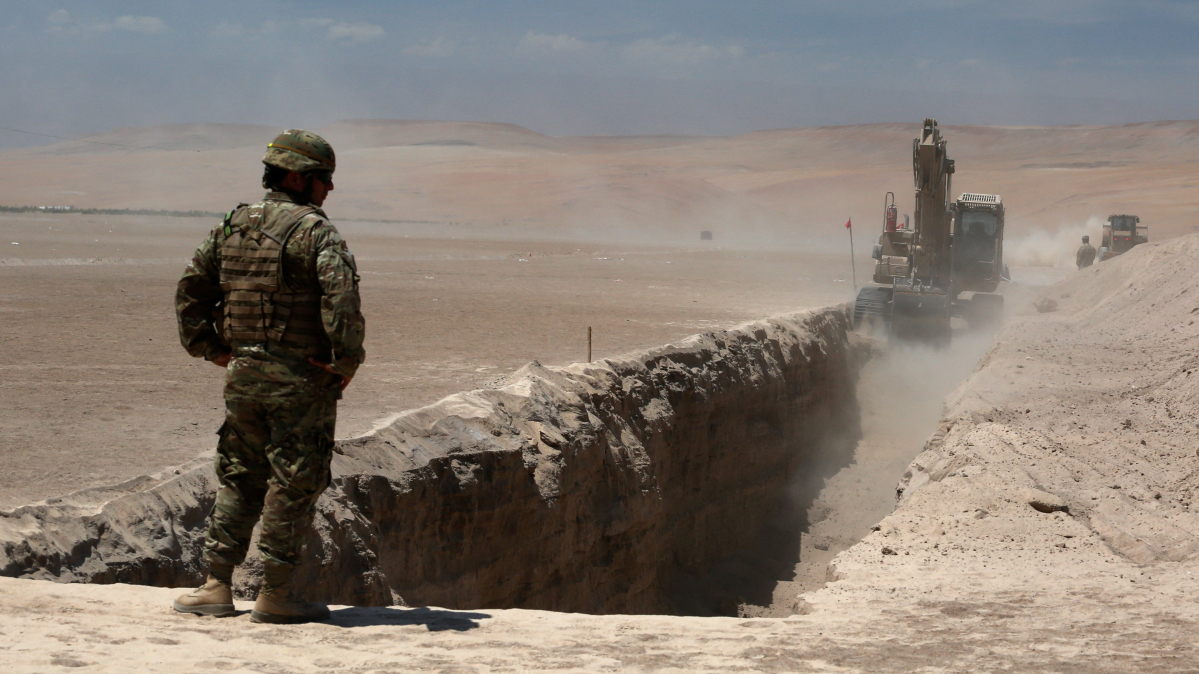
Work on the barrier remains in its early stages. Initial activity on Monday was limited to basic groundwork in the desert, with machinery beginning to carve trenches. However, officials say the full plan will combine physical obstacles, such as ditches and fencing, with aerial surveillance and military patrols.
Kast framed the move as a decisive shift in national policy, pledging rapid implementation. His administration has already invoked emergency powers to introduce a series of measures aimed at tightening border enforcement and accelerating the deportation of undocumented migrants.
Rising migration pressures
Immigration has surged in Chile in recent years, with the foreign-born population rising sharply. Authorities estimate that hundreds of thousands of people are currently living in the country without legal status, many having fled economic hardship and political turmoil in Venezuela.
Alongside humanitarian arrivals, officials point to the presence of foreign criminal networks as a growing concern. While overall violence remains relatively low by regional standards, a rise in high-profile crimes - including kidnappings and contract killings - has unsettled the public and intensified political pressure for stricter controls.
Political shift and debate
Kast’s rapid push on border security underscores a broader rightward shift in Chilean politics, marking the country’s most conservative turn since the end of military rule in 1990, following the era of Augusto Pinochet.
The government insists the new measures are necessary to restore order and protect national security. Critics, however, argue that an aggressive enforcement strategy risks marginalising vulnerable migrants and could deepen divisions within Chilean society.















What is your opinion on this topic?
Leave the first comment