U.S. President Donald Trump is approaching one year in office in his second term. These are some of the highlights of the returning president's first year.
The 47th president of the United States returned to office on 20 January as his comeback to the White House dominated global headlines, along with his renewed pledge to Make America Great Again.
In the opening days of his second term, Trump prioritised a key campaign promise: immigration.
Repatriation flights carrying hundreds of migrants soon departed the United States, prompting protests against the deportations.
The Trump administration, as previously announced, aimed to remove one million people a year, though current figures suggest it is falling short.
In early December 2025, the Department of Homeland Security reported more than 593,000 deportations since Trump took office, putting the total on track for fewer than 700,000 by year’s end, according to Reuters.
Trade has been another major focus, with Trump pushing his "America First" agenda.
He imposed a 10% levy in February 2025 on goods from Mexico, Canada and China, blaming them for the U.S. fentanyl crisis. The move sparked a trade war with Beijing.
By mid-2025, U.S. tariffs on Chinese goods reached levels as high as 145%, while China imposed levies of up to 125% on American imports, according to the U.S. Trade Representative’s office and Reuters reporting.
Conflict resolution
The Republican president has repeatedly claimed to have ended eight wars within his first eight months, including U.S.-led operations in Iraq and Syria as well as limited military engagements in Africa.
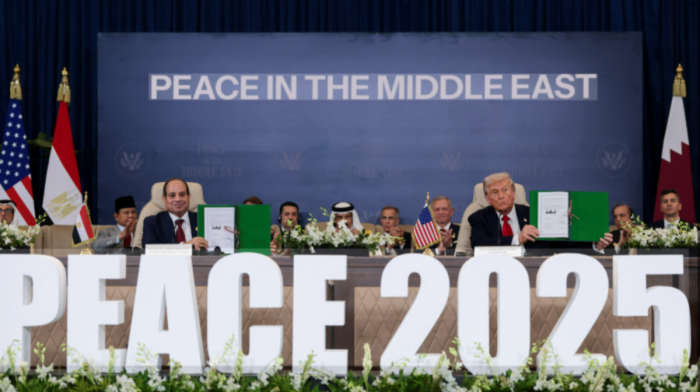
The latest conflict added to that list is the two-year war between Israel and Hamas, which Trump actively mediated in late 2025, helping broker a fragile ceasefire on 25 June.
However, one pledge has proved harder to fulfil — ending the Russia–Ukraine war despite President Trump maintaining direct diplomatic engagement with both sides.
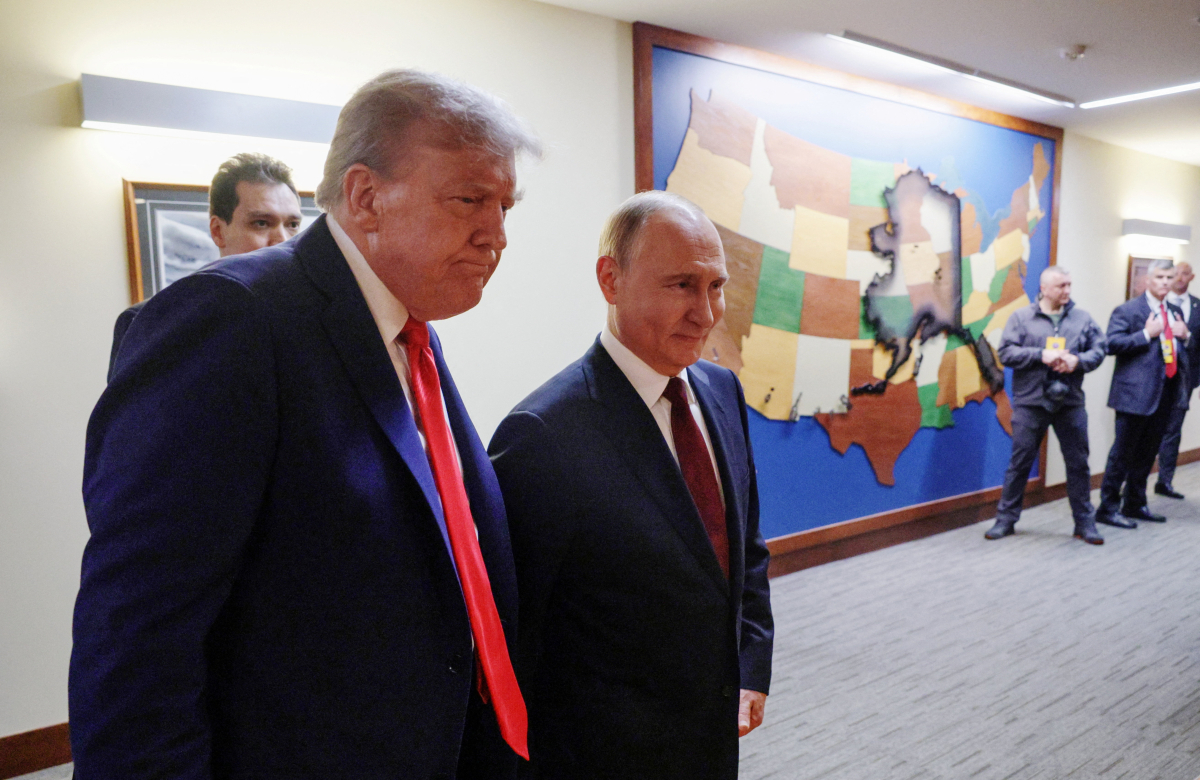
One of the most high-profile encounters occurred at the Alaska Summit on 15 August 2025, where Trump and Russian President Vladimir Putin met in person, on American soil and discussed the ongoing conflict.
Subsequent contacts, including statements from Russian officials in October and November 2025, indicated that channels for dialogue remained open, but substantive progress on resolving the conflict was limited.
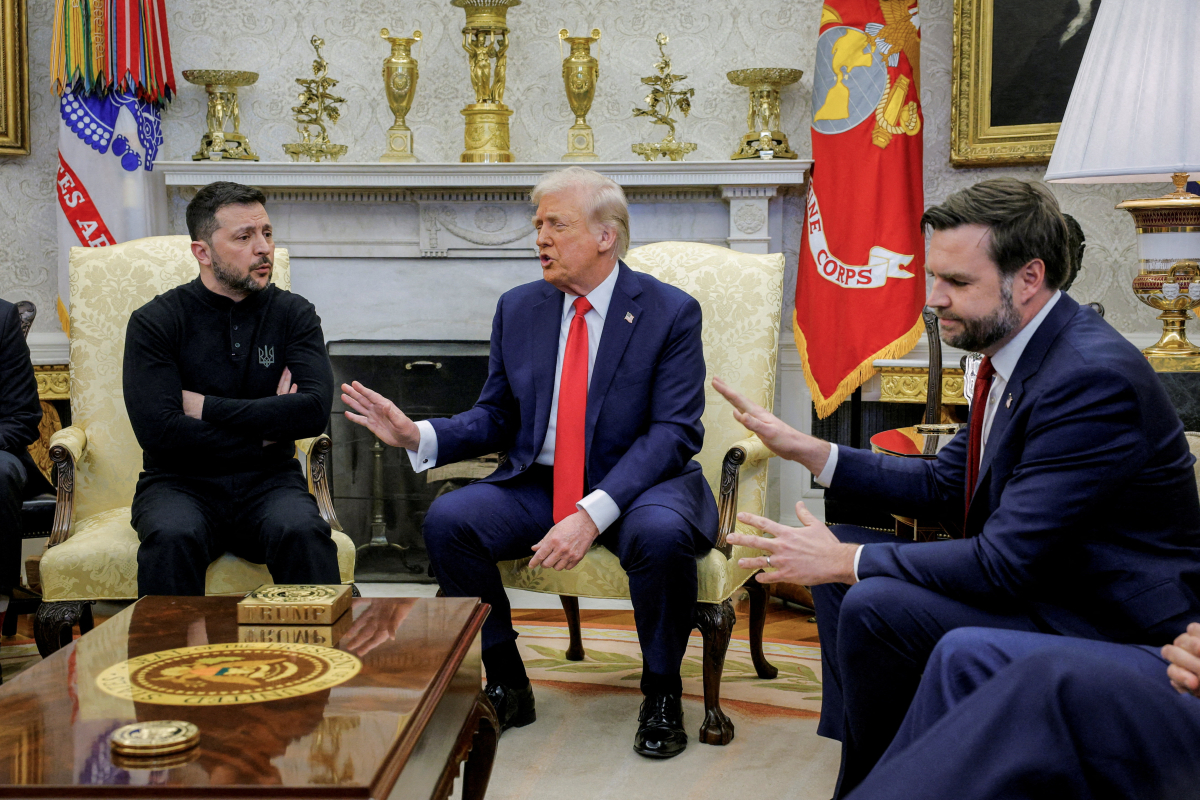
Despite intense diplomatic engagement throughout 2025, including a highly publicised Oval Office meeting with Ukrainian President Volodymyr Zelenskyy on 28 February, no breakthrough was reached.
2025 has also been marked by a series of high-profile moments — including his public dispute with South African President Cyril Ramaphosa in May, and his fallout with former Department of Government Efficiency head, CEO Elon Musk which spanned several months.
These incidents raised fresh questions about the direction and stability of his diplomatic approach, according to Politico.
U.S.-Venezuela tensions
In 2025, tensions between the United States and Venezuela escalated sharply over enforcement of U.S. sanctions on Venezuelan oil exports, culminating in decisive action by the Trump administration.
In December 2025, U.S. forces seized sanctioned oil tankers off the Venezuelan coast — notably the tanker Skipper on 10 December and a second vessel on 20 December, as part of an intensified crackdown on what the U.S. described as a Venezuelan “shadow fleet” moving sanctioned crude.
President Trump then announced a “total and complete blockade” of sanctioned oil tankers entering or leaving Venezuela on 16 December, a move intended to exert economic pressure on President Nicolás Maduro’s government and force political concessions.
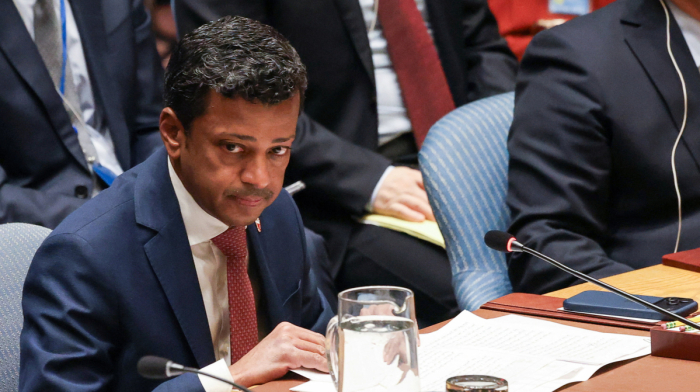
Venezuela condemned the tankers’ interception as “international piracy” and formally requested a United Nations Security Council meeting to address what it called “ongoing U.S. aggression” on 17 December.
The U.S. blockade and tanker seizures led to concern about global oil supply and pushed crude prices higher, reflecting fears of supply disruption in international markets.
Domestic policy
In 2025, President Trump achieved one of his most ambitious domestic policy goals by signing the One Big Beautiful Bill Act into law on 4 July.
The legislation, first introduced in the House on 20 May 2025, combined significant tax cuts with expanded border security, increased defence spending, and changes to social programmes.
Key provisions included raising the child tax credit, increasing standard deductions, introducing new tax breaks for tips and overtime, expanding work requirements for welfare programmes, and raising the federal debt ceiling to avoid a fiscal crisis.
Supporters described it as a “once-in-a-generation” reform of the U.S. tax and economic system, while critics, including Elon Musk, called it fiscally irresponsible and potentially harmful to social safety nets.
Trump's handling of climate and environmental policy also drew attention.
In November 2025, the administration withdrew from several multilateral environmental commitments, including the updated Global Methane Pledge, citing economic concerns, according to UN.
Overall, Trump's first year of his second term has been dominated by immigration policies, protectionist trade measures, high-profile international diplomacy, and controversial domestic and foreign decisions.
Analysts warn that while some pledges, such as trade and immigration enforcement, have made measurable progress, major objectives in global peacekeeping and diplomatic stability remain unresolved.























What is your opinion on this topic?
Leave the first comment