France launches major renewable energy drive with ‘Made in Europe’ focus
France has unveiled a delayed wave of renewable energy tenders to boost energy independence and strengthen domestic and European industry....
Afghanistan remains the third most affected country globally for unexploded ordnance casualties, with more than 50 people killed or injured each month, a United Nations official has said.
Speaking from Kabul on Monday, Nick Pond, Chief of the Mine Action Section for the United Nations Assistance Mission in Afghanistan (UNAMA), said the human cost remains severe, particularly for children.
He said the figures show “there’s at least one casualty every single day,” adding that “almost 80% are children.”
Pond said most of the victims are boys, many of whom are killed or injured after encountering unexploded ordnance while playing or tending animals.
He added that 90% of casualties are caused by unexploded ordnance and abandoned munitions left behind after more than 40 years of conflict.
The UNAMA official also warned that the mine action sector is facing a major funding shortfall. Summarising the challenge, he said reduced international support has sharply cut the number of deminers working in Afghanistan.
“Reduced support for a country that sits way down the list of global humanitarian priorities… has reduced the number of deminers delivering clearance, risk education and victim assistance from around 15,000 in 2011 to 1,300 this month,” Pond said.
AnewZ sought comment from Afghanistan’s National Disaster Management Authority (ANDMA) on the latest UN findings but was unable to reach officials.
However, in January, the Director General of ANDMA underscored the “urgent need for the comprehensive clearance of mines and unexploded ordnance” in Afghanistan, stressing the importance of public safety.
Despite the challenges, Pond said there remains scope for progress if funding increases.
“With increased funding, there is a very real opportunity to free this country from contamination, allowing Afghan people to restore their livelihoods unhindered by the remnants of war,” he said.

The Iran-U.S.-Israel conflict is intensifying, with fresh strikes near Tehran, European calls for restraint, and Iran threatening to target U.S. firms in the region, raising fears of a broader escalation across the Middle East.
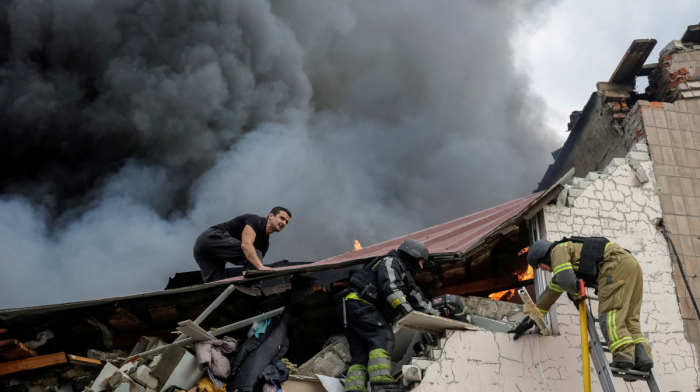
There are fears of an oil spill after a drone strike hit a Kuwaiti oil tanker near Dubai on Tuesday, while U.S.-Israeli strikes in Iran reportedly killed at least two people. A loud explosion was heard in Beirut in southern Lebanon early Wednesday, as oil prices climbed above $100 a barrel.
Fears of wider escalation grow despite President Donald Trump saying U.S. strikes on Iran could end within weeks. Meanwhile missile attacks, tanker incidents and rising casualties across Israel, Lebanon and the Gulf heighten risks to regional stability and energy routes.
Russian-flagged tanker carrying approximately 700,000 barrels of crude oil docked at Cuba's Matanzas oil terminal on Tuesday, shipping data confirmed, marking a vital and controversial delivery to an island paralysed by severe energy shortages and a suffocating U.S. blockade.
A Russian military An-26 aircraft has crashed in Crimea, killing all 30 people on board, Russia’s Defence Ministry has confirmed.
Leading Turkish official Fuat Oktay this week called for the dismantling of Israel’s alleged nuclear weapons stockpile. The head of parliament’s Foreign Affairs Committee said Israel’s nuclear capability should be “eliminated as soon as possible”.
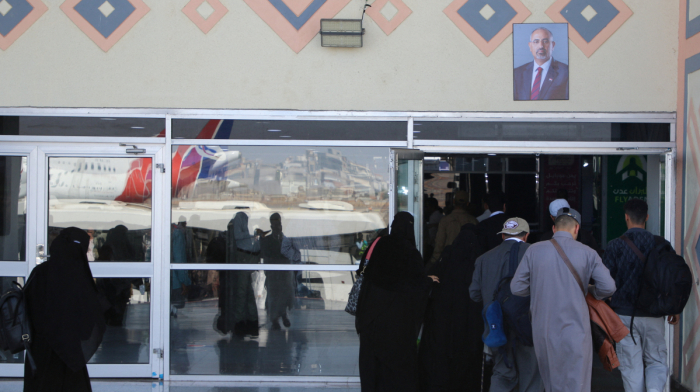
Fresh Houthi missile and drone strikes on Israel mark a significant widening of the Iran-centred conflict, raising fears the Yemen-based group could open a new front. Their position near the Bab el-Mandeb strait also threatens global shipping and energy flows.
Pakistan is holding talks with Afghanistan to end the worst conflict between the South Asian neighbours since the Taliban returned to power in 2021, Pakistan's Foreign Ministry spokesperson said on Thursday.
Armenian Prime Minister Nikol Pashinyan is in Russia for a working visit, with talks expected to focus on bilateral and regional cooperation with Russian President Vladimir Putin.
Japan and France agreed on Wednesday to coordinate closely in efforts to end the U.S.-Israeli war with Iran and reopen the Strait of Hormuz to oil and gas tankers, Prime Minister Sanae Takaichi said.
You can download the AnewZ application from Play Store and the App Store.
What is your opinion on this topic?
Leave the first comment