Heavy rain, flash floods and lightning strikes across Afghanistan have killed 28 people and destroyed hundreds of homes in Kabul, Herat and other provinces.
A relentless spell of torrential rain and flash flooding has battered Afghanistan over the past four days, causing casualties and widespread damage to infrastructure.
The sudden onset of severe spring weather has overwhelmed emergency services from the capital to the western border. Disaster management officials say the conditions have triggered a fresh humanitarian crisis, displacing more than 1,000 families and devastating vital agricultural assets in a country heavily reliant on farming.
Casualties mount across devastated provinces
Since the severe weather began on 26 March, the human toll has risen sharply. Afghanistan’s disaster preparedness authority confirmed on Monday that at least 28 people have died, while a further 49 have been injured as a direct result of the extreme conditions. The fatalities were caused by a combination of flash flooding, building collapses and lightning strikes accompanying the intense storms. The impact has been widespread, affecting Kabul as well as Herat in the west, Kandahar in the south, Nangarhar in the east and Balkh in the north.
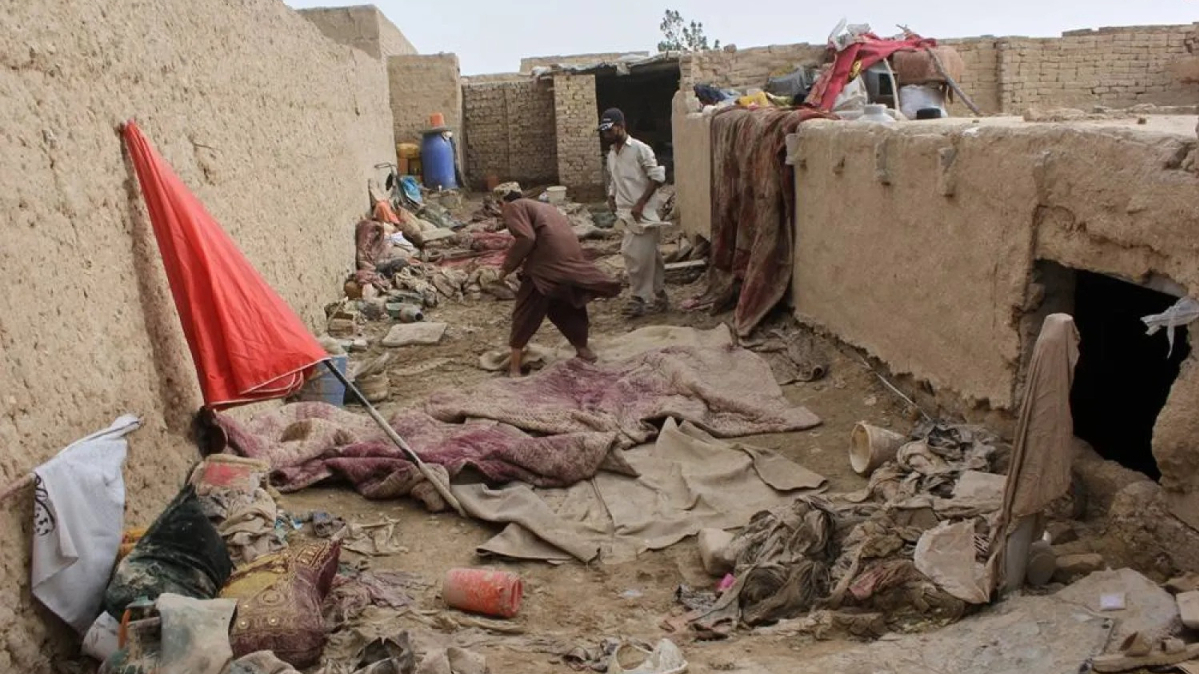
In Kabul, where drainage systems are often inadequate and poorly maintained, sudden downpours quickly turned busy streets into fast-moving torrents, trapping residents in homes and vehicles. In more rural and mountainous areas such as Herat and Nangarhar, heavy rain triggered mudslides and flash floods that swept through narrow valleys with little warning. Traditional mud-brick homes, common in many Afghan villages, offer little resistance to such volumes of fast-moving water, leading to rapid structural collapse. Emergency teams, already stretched by limited resources and funding shortages, are struggling to reach remote communities cut off by floodwaters, raising fears the death toll could rise as communications are restored.
Infrastructure crippled as humanitarian crisis deepens
Beyond the loss of life, the economic and infrastructural damage is severe for a country already on the brink of financial collapse. A spokesperson for the disaster preparedness authority said 1,130 families have been directly affected in the hardest-hit areas. Floodwaters have destroyed 568 homes and 10 shops, leaving thousands homeless at a time when international humanitarian assistance remains constrained by political sanctions.
The floods have also severely disrupted Afghanistan’s fragile transport network. Around 93 kilometres of key roads have been washed away or badly damaged, hampering efforts by aid workers to deliver food, clean water and medical supplies to isolated communities. The agricultural sector, the backbone of the Afghan economy, has also been hit hard. Officials report that at least 244 livestock have been lost. For subsistence farmers and nomadic groups, even a small number of animal deaths can mean the loss of their primary source of income and food.
The disaster has worsened an already dire humanitarian situation following years of political upheaval. With international funding sharply reduced, local authorities have limited capacity to rebuild infrastructure or support displaced families, leaving non-governmental organisations struggling to fill the gap in relief efforts.

















What is your opinion on this topic?
Leave the first comment