The AnewZ Opinion section provides a platform for independent voices to share expert perspectives on global and regional issues. The views expressed are solely those of the authors and do not represent the official position of AnewZ
In the Middle East, wars rarely remain confined to battlefields. Their most profound and enduring consequences are often measured not in military victories but in human displacement.
Türkiye’s quiet preparations for a possible new migration wave are therefore not alarmist; they are an act of strategic prudence.
History has already delivered a painful lesson. When the Syrian civil war erupted in 2011, few predicted that within a few years millions would flee their homes, reshaping the political and social landscapes of Türkiye and Europe alike. Today, a similar risk looms once again - this time linked to expanding geopolitical tensions surrounding Iran.
The geography of responsibility
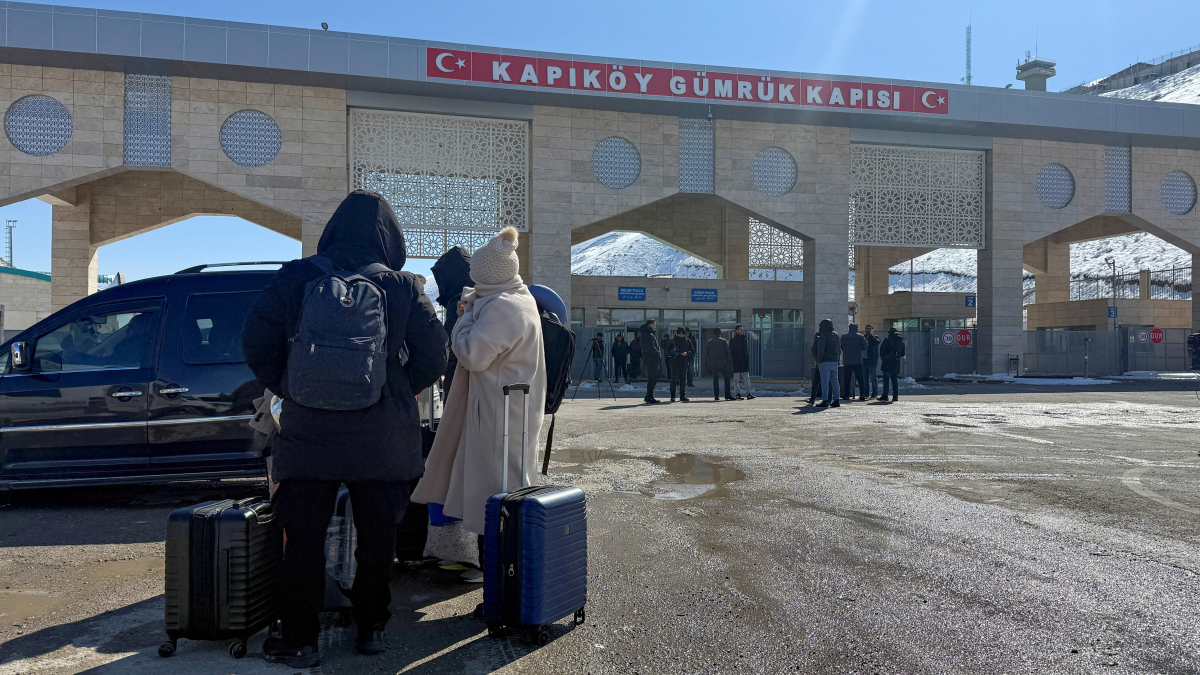
Türkiye sits at a crossroads that few nations would envy.
With a 560-kilometre border with Iran and close proximity to Iraq and Syria, it is the natural corridor between the turbulence of the Middle East and the stability of Europe. Geography alone ensures that when crises erupt in the region, Türkiye inevitably becomes both a frontline state and a humanitarian buffer.
Already hosting more than four million refugees, Türkiye remains the world’s largest refugee-hosting country. This is not merely a humanitarian challenge; it has become a complex issue involving economics, social cohesion, and domestic politics.
A new migration surge - particularly one triggered by instability in Iran - would arrive in a far more fragile political environment than the Syrian influx did a decade ago.
Why Iran matters
Iran is not Syria.
With a population approaching 90 million, any severe political or economic upheaval there could trigger population movements of an entirely different magnitude. Even a relatively small percentage of people attempting to leave could create a migration wave capable of overwhelming border management systems across the region.
Moreover, Iran’s internal structure adds another layer of unpredictability. It is a multi-ethnic state with significant Kurdish, Azerbaijani, Arab, and Baloch communities. Should instability deepen, these fault lines could become catalysts for regional displacement.
Northern Iraq, already home to Kurdish political and military structures, could quickly become a staging ground for refugee flows heading towards Türkiye.
Migration as a strategic variable
Migration today is no longer just a humanitarian phenomenon; it has become a geopolitical variable.
Large-scale displacement reshapes domestic politics, strains public finances, and alters electoral dynamics across continents. Europe’s political landscape after the 2015 refugee crisis offers a stark example: migration pressures fuelled the rise of nationalist movements and intensified debates over borders, identity, and sovereignty.
A new migration shock triggered by wider Middle Eastern instability would therefore not remain a regional issue. It would quickly become a European one.
For the European Union, Türkiye remains the critical buffer state. The 2016 migration arrangement between Ankara and Brussels was designed precisely to prevent uncontrolled flows into Europe. Yet the geopolitical context today is far more volatile than it was then.
A broader arc of instability
The current tensions in the Middle East extend well beyond a single confrontation.
Conflicts and rivalries - from the Iran–Israel confrontation to persistent instability in Iraq, Syria, and Lebanon - are interacting with deeper structural pressures. These include economic stagnation, demographic growth, and climate stress.
Together, these forces create what might be described as a displacement multiplier. When political shocks occur, the resulting migration flows become far larger and faster than in the past.
The Gulf states, long perceived as safe havens for global capital and expatriate labour, are themselves increasingly exposed to regional tensions. Should confidence in their stability weaken, secondary migration flows could emerge as expatriate workers and regional migrants seek alternative routes to safety.
What Türkiye must do
Preparation, therefore, is essential. Türkiye’s strategy should rest on three pillars.
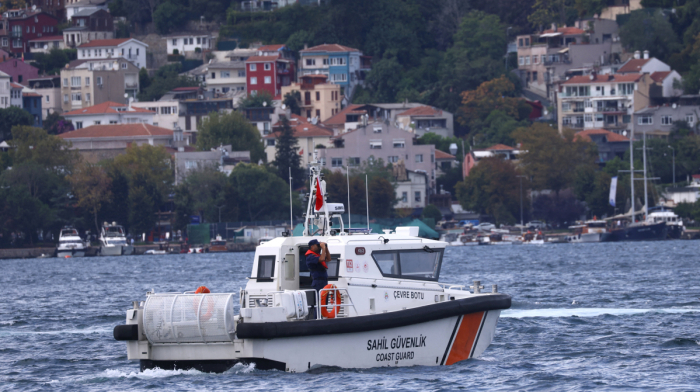
First, robust border management capable of controlling irregular crossings while preserving humanitarian standards.
Second, a focus on managing migration pressures beyond its borders through cooperation with neighbouring countries and international institutions.
Third, renewed engagement with Europe to establish a fairer burden-sharing framework. Migration pressures originating in the Middle East cannot be effectively managed by a single country.
The next migration era
The world may be entering a new era of displacement.
Wars, economic instability, and climate stress are converging to drive human mobility on a scale unseen in modern history. The Middle East - already one of the most politically fragile regions on the planet - will likely remain at the centre of these dynamics.
For Türkiye, the challenge is both geographic and strategic. It must remain prepared for shocks that originate far beyond its borders but arrive quickly at its gates. Migration crises cannot be managed only when they arrive; they must be anticipated when they appear on the horizon.
That is precisely why the preparations underway in Ankara deserve attention - not alarm, but recognition of a reality that Europe, too, would do well to confront.

















What is your opinion on this topic?
Leave the first comment