The political pendulum in Santiago swung decisively to the conservative hardline on Sunday night, as voters delivered a commanding mandate to the Republican Party leader to restore public order and overhaul Chile's economy.
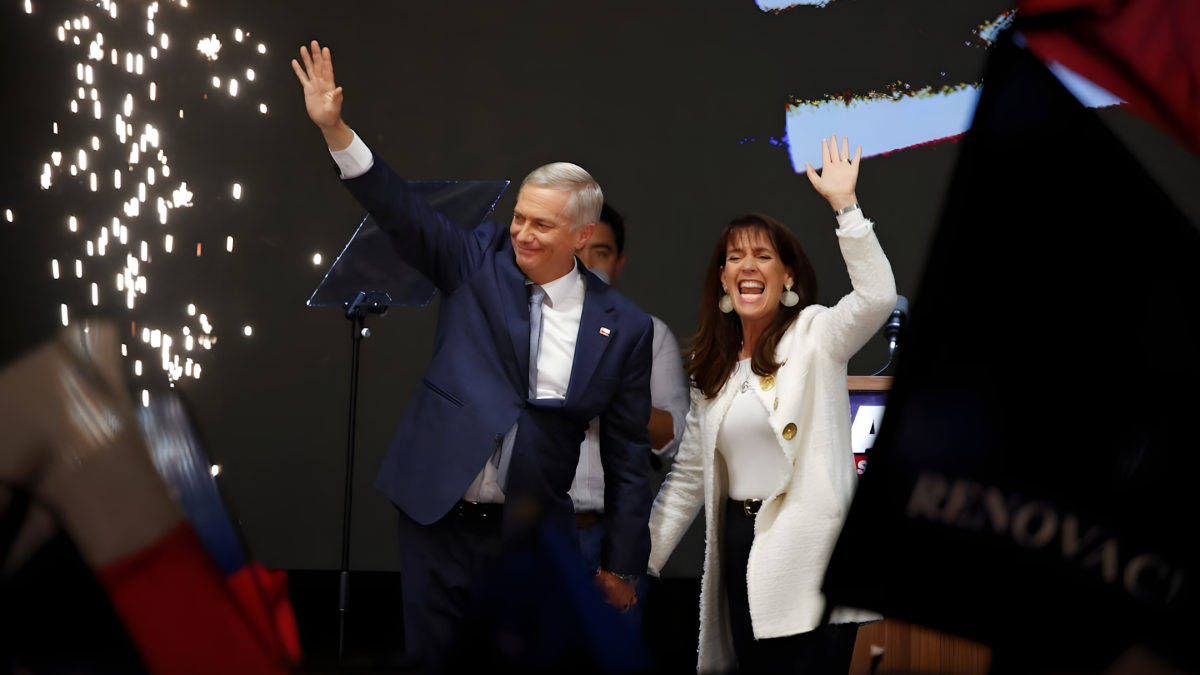
José Antonio Kast has been elected Chile’s next president, claiming a resounding victory over his left-wing rival.
With 99.8% of ballot boxes counted, the electoral service (Servel) confirmed that Mr Kast had secured 58.1% of the vote compared to 41.9% for Jeannette Jara, the candidate for the governing left-wing coalition.
The result represents a seismic alteration in the Andean nation’s political landscape, marking the most significant shift to the right since the restoration of democracy in 1990 following the dictatorship of General Augusto Pinochet.
The 59-year-old lawyer and former congressman, who leads the right-wing Partido Republicano, will take office on the 11th of March, succeeding the outgoing administration.
Mr Kast’s victory appears to be a direct rebuke of the previous government's handling of the economy and a worsening public security crisis. Throughout a heated campaign, Kast emphasised a "zero tolerance" approach to crime, stricter migration controls in the north, and a shrinking of the state apparatus—a message that resonated with a middle class weary of inflation and uncertainty.
"Today, Chile has chosen peace over violence, and order over chaos," Mr Kast told thousands of supporters gathered in the affluent Las Condes district of Santiago.
Defeat for the Left
Ms Jara, a former Minister of Labour known for her trade union background, conceded defeat early in the evening. She called for the protection of social rights gained over the last decade but acknowledged the "undeniable will" of the electorate.
"The people have spoken, and we must respect their decision, even if it diverges sharply from our vision for the country," Jara stated from her campaign headquarters.
Regional trend
Kast’s ascent confirms a growing "Blue Tide" across Latin America, where voters are increasingly turning to right-wing populists in response to economic stagnation and perceived lawlessness. International observers have drawn parallels between Kast and other conservative figures in the Americas, noting his socially conservative stance on marriage and reproductive rights.
Challenges ahead
Despite the landslide margin, the President-elect faces a complex road ahead. He will inherit a deeply divided National Congress, where no single coalition holds a supermajority.
Political analysts suggest Kast will be forced to negotiate with centre-right factions and moderate independents to pass his legislative programme. Without building bridges in the legislature, his ambitious plans for tax cuts and administrative reform may face immediate gridlock.
Markets reacted positively to the news in early trading, with the Chilean peso strengthening against the U.S. dollar, signalling investor relief at the return of a pro-business administration.

















What is your opinion on this topic?
Leave the first comment