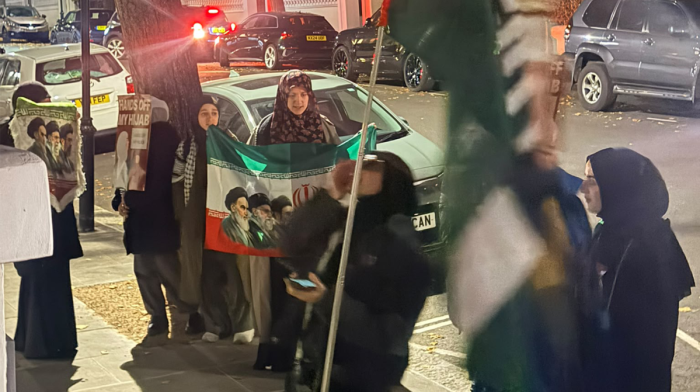
Protest outside Azerbaijani Embassy in London features Iranian flags and hijab placards
Demonstrators carrying Iranian flags and placards supporting the hijab gathered outside the Azerbaijani Embassy...
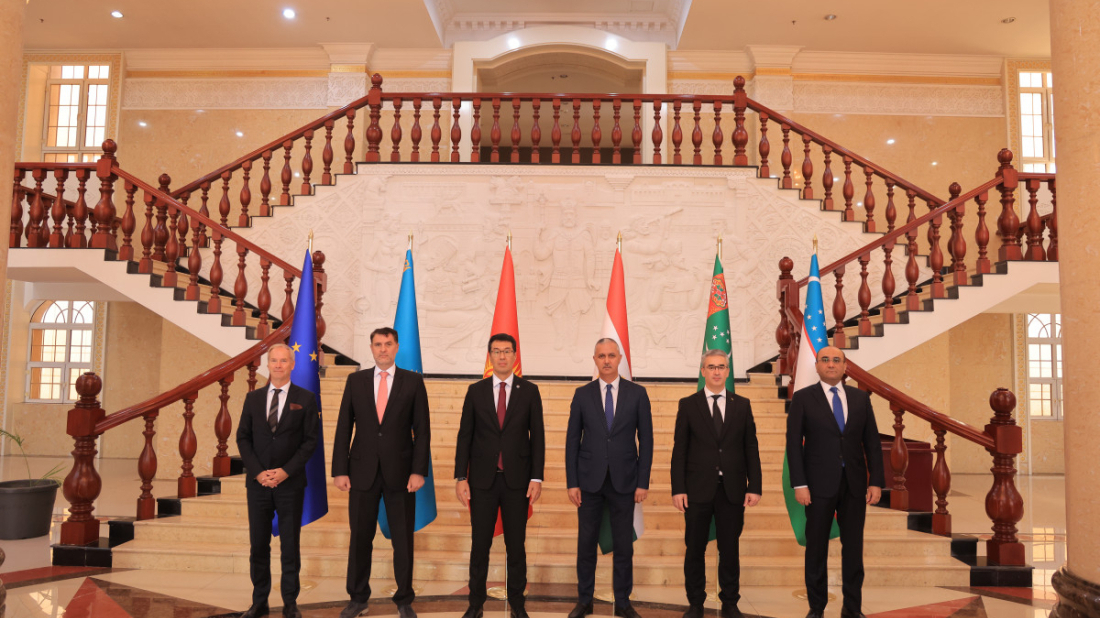
The High-Level Political and Security Dialogue between the European Union and the countries of Central Asia held in Dushanbe, Tajikistan.
The annual dialogue provided an opportunity to discuss common global and regional security challenges resulting from Russia’s military aggression against Ukraine as well as the situation in the Middle East and Afghanistan.
The meeting also served as a platform to exchange views on emerging threats such as disinformation, cyberattacks, and hybrid threats. All participants acknowledged that the current turbulent geopolitical environment significantly affects the security, stability, and economic development of both regions.
The participants agreed to intensify cooperation on security, with the European Union reiterating its willingness to support these efforts. They welcomed progress on the implementation of the Joint Roadmap for Deepening Ties between the EU and Central Asia, particularly in Key Area 4, which focuses on addressing security challenges.
They also discussed strengthening regional cooperation on a number of key issues, including counter-terrorism and violent extremism, border management and illicit drug trafficking, as well as water management and connectivity.

The High-Level Political and Security Dialogue was held back-to-back with the first-ever EU-Central Asia Counter-Terrorism (CT) Dialogue, that took place on 10 July 2025 in Dushanbe.
The meeting was chaired by the Deputy Secretary-General for Political Affairs at the European External Action Service, Olof Skoog, with participation of the Deputy Foreign Minister of the Kyrgyz Republic Meder Abakirov, Deputy Foreign Minister of Tajikistan Ismatullo Nasredin, Deputy Foreign Minister of Uzbekistan Muzaffar Madrakhimov, the Ambassador-at-Large at the Ministry of Foreign Affairs of Kazakhstan Stanislav Vassilenko and Ambassador of Turkmenistan to Tajikistan Aymyrat Gochmyradov.
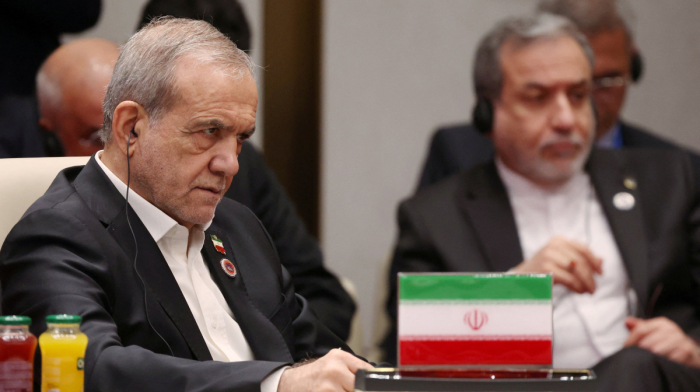
The Middle East conflict remains tense as diplomatic efforts continue alongside renewed Houthi attacks. Iran says it remains open to mediation, while the Saudi-led coalition says it intercepted a ballistic missile fired towards the kingdom.
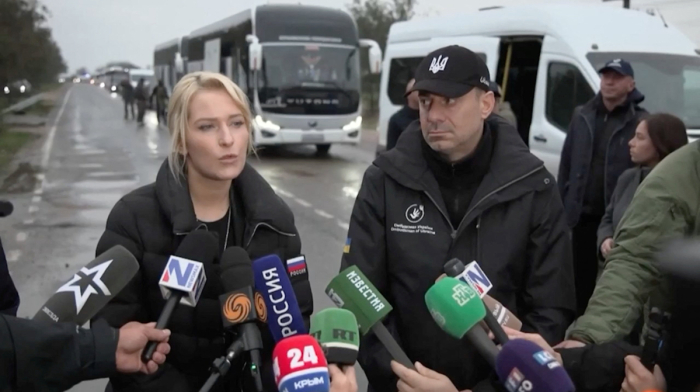
Evacuations and the provision of humanitarian aid in the Russian-occupied southern Ukrainian town of Oleshky have begun, a senior Ukrainian official said on Friday. In a statement on Telegram, David Arakhamia said a six-day ceasefire was holding, and that more details would follow.
Rescuers searched the wreckage of two high-speed trains in central Spain on Thursday as the death toll rose to a provisional 74, making it the country's second fatal high-speed rail disaster this year.
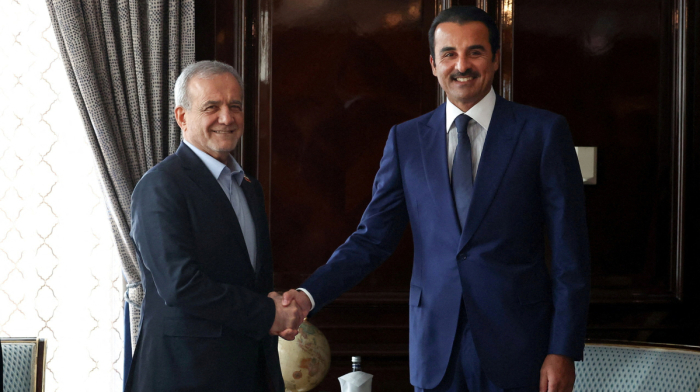
Qatari mediators returned to Tehran on Friday as part of efforts to reach a deal between the U.S. and Iran, according to an official briefed on the talks.
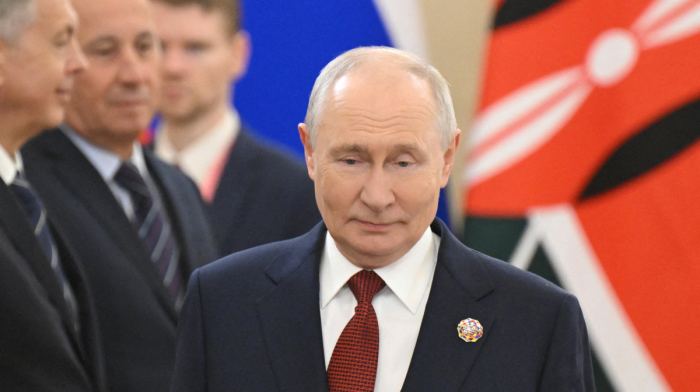
Russian President Vladimir Putin said Russia remains willing to rebuild relations with European countries but warned that any wider conflict on the continent would leave no winners, as he commented on recent diplomatic contacts with Nordic leaders and growing security concerns in the Baltic region.
Demonstrators carrying Iranian flags and placards supporting the hijab gathered outside the Azerbaijani Embassy in London.
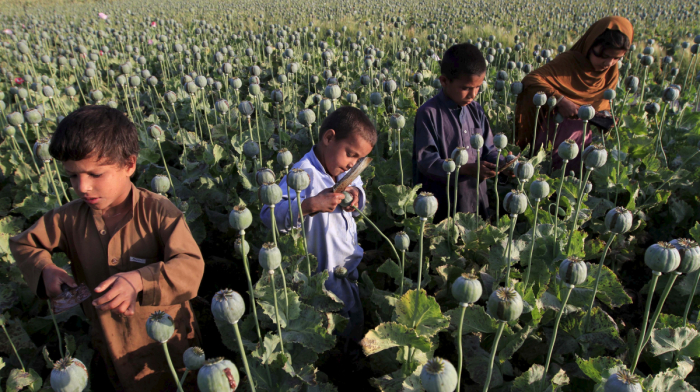
Opium poppy cultivation in Afghanistan surged by 330 per cent in 2026 despite a four-year ban, the United Nations said on Thursday. Afghan authorities disputed the findings, while Japan urged continued support for farmers seeking alternative livelihoods.
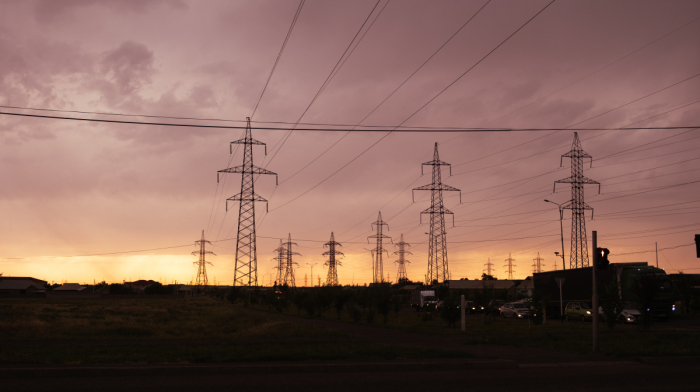
Central Asia could gain up to $640 million a year from closer energy cooperation, but strained electricity grids threaten to limit those gains, with Kazakhstan particularly exposed to regional power shortages and growing pressure on its network.
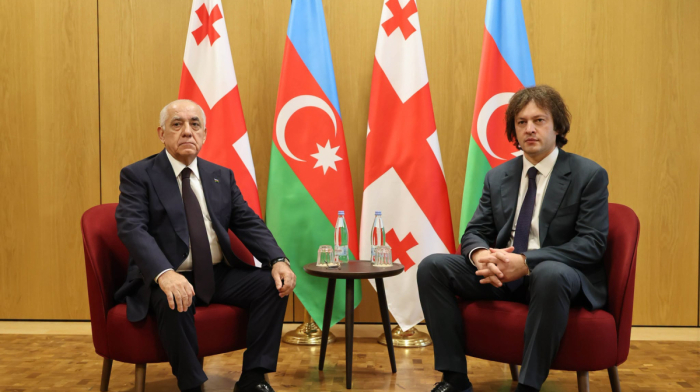
Georgia and Azerbaijan are stepping up efforts to boost trade, strengthen transport links between Asia and Europe and resolve a longstanding border dispute, as both countries seek to deepen their strategic partnership.
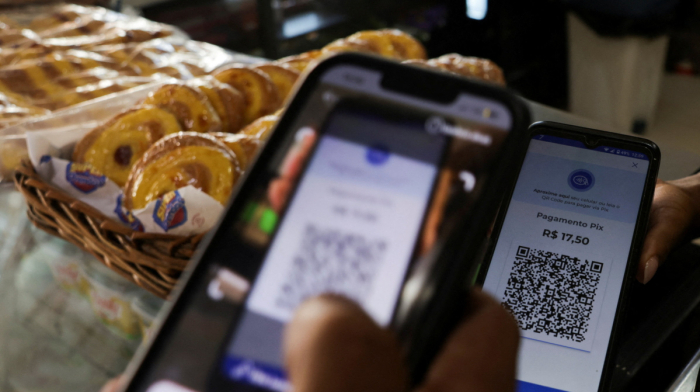
People travelling between Uzbekistan, Kazakhstan, Kyrgyzstan, Tajikistan and Azerbaijan could soon be able to pay for purchases using their usual banking apps. Central banks from the five countries are working on linking their national payment systems.
You can download the AnewZ application from Play Store and the App Store.
What is your opinion on this topic?
Leave the first comment