Since 2021, only 9 per cent of $8 billion in humanitarian aid for Afghanistan can be traced beyond initial recipients in public records, a Kabul Institute report released on 22 October said. The United Nations says its oversight systems ensure accountability.
The Washington-based institute reviewed payments reported up to 30 September 2026. It says $1.42 billion was recorded under confidential recipients, while 80 per cent initially went to UN agencies and multilateral organisations.
Researchers stress that these gaps do not prove misuse. The UN says 21.9 million Afghans need humanitarian assistance in 2026.
Families struggle without aid
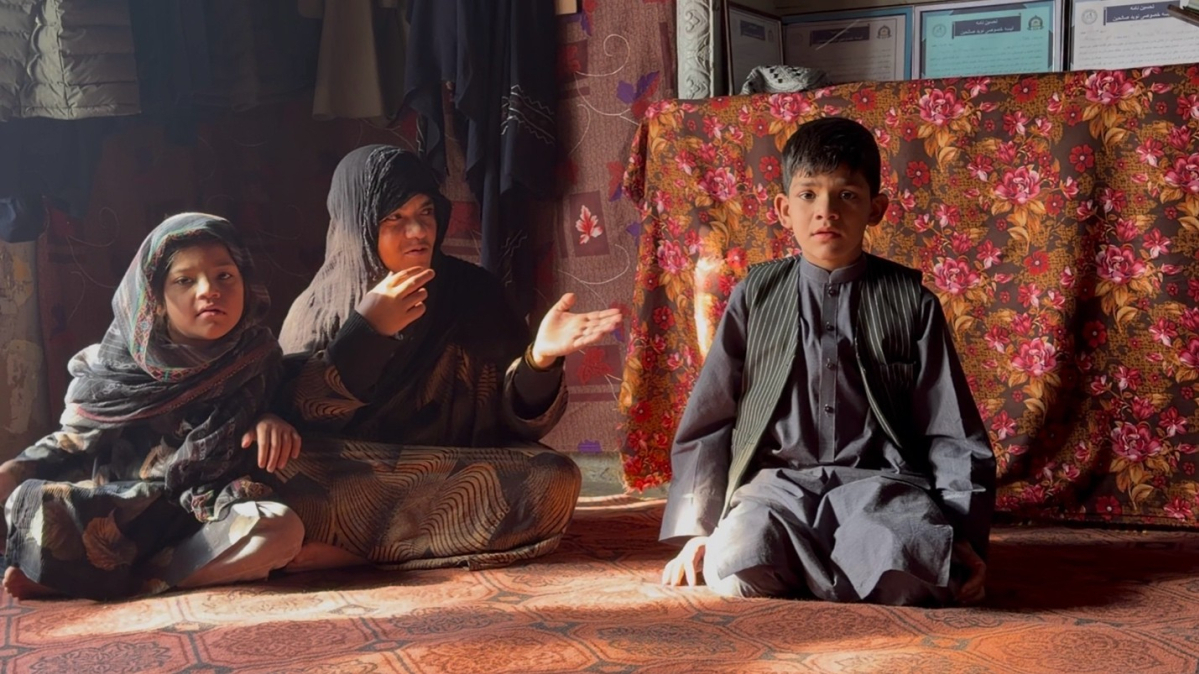
Asma Bibi, a widowed mother of four in Kabul, told AnewZ her last assistance came during Ramadan.
“The last time we received aid was during Ramadan, when we were given oil, flour and rice. We haven’t received anything since then.”
She also described the difficulties of preparing for winter.
“Winter is approaching, and it is already cold. We cannot even afford to buy firewood to keep ourselves warm.”
The United Nations Office for the Coordination of Humanitarian Affairs (OCHA) estimated that around 21.9 million people were projected to require humanitarian assistance in 2026. That's approximately 45 per cent of the population.
UN defends financial oversight
Responding to AnewZ, Olga Cherevko, Spokesperson for the United Nations OCHA, said limited public reporting was not evidence of missing funds.
“The report’s findings appear to focus primarily on limitations in publicly available data rather than evidence that funds are unaccounted for or improperly used.”
She said aid spending is monitored through audits, donor reporting and field checks.
“These mechanisms are designed to ensure that humanitarian resources are used for their intended purposes and that organisations remain accountable to affected communities, donors and governing bodies.”
The UN did not provide a breakdown between programme delivery and administrative costs.
Afghanistan’s Ministry of Economy said in February that of $1.009 billion allocated in 2025, $590 million was for projects and the remainder for salaries and operational costs. These figures cover a different period and scope.
Read more stories from Afghanistan:










What is your opinion on this topic?
Leave the first comment