




08:29 CET
Middle East conflict
live Saudi Aramco building attacked, limited fire reported
A building at Saudi Aramco’s headquarters in ...
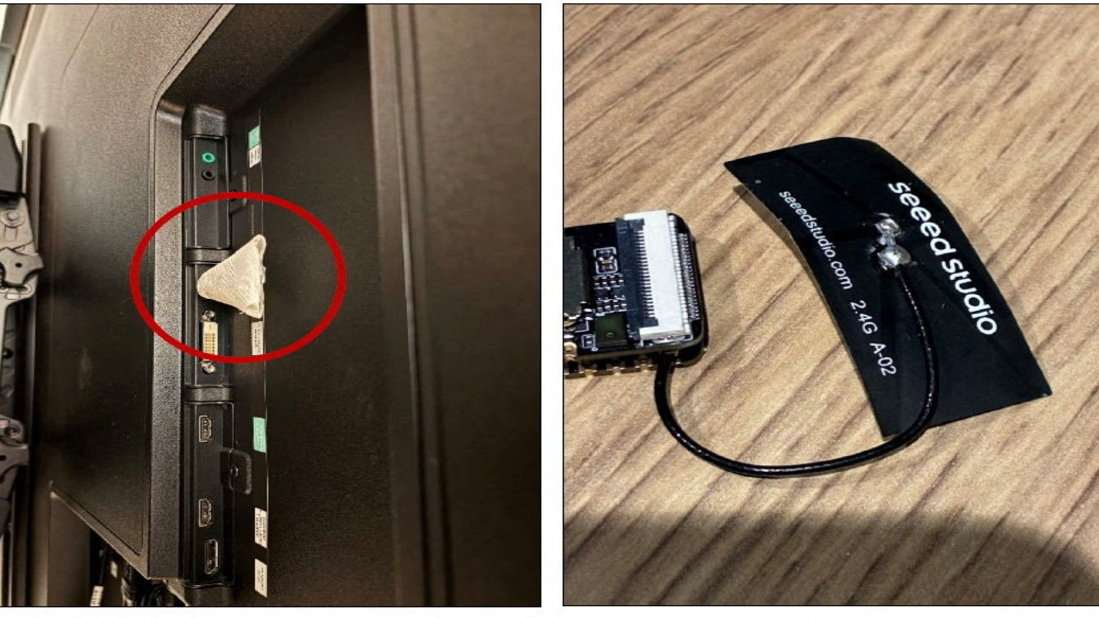


A software engineer employed by OpenAI has been arrested and charged by U.S. authorities after investigators alleged he secretly placed a concealed recording device inside an executive conference room at the artificial intelligence company.
The case has drawn attention to the growing security challenges facing leading AI firms as competition intensifies over advanced technologies that many governments and businesses view as strategically important.
According to the U.S. Department of Justice, Abdulrahman Alfozan, a 35-year-old Saudi national and lawful permanent U.S. resident, joined OpenAI in July 2025. Prosecutors allege he installed a hidden surveillance device in a meeting space used by senior company executives at OpenAI's San Francisco offices.
The device was reportedly discovered by company staff at the end of September after it was found connected to a television in the room. Investigators said the equipment had been disguised and concealed from view. Authorities later recovered a second customised device during a search of Alfozan's personal belongings, according to court documents.
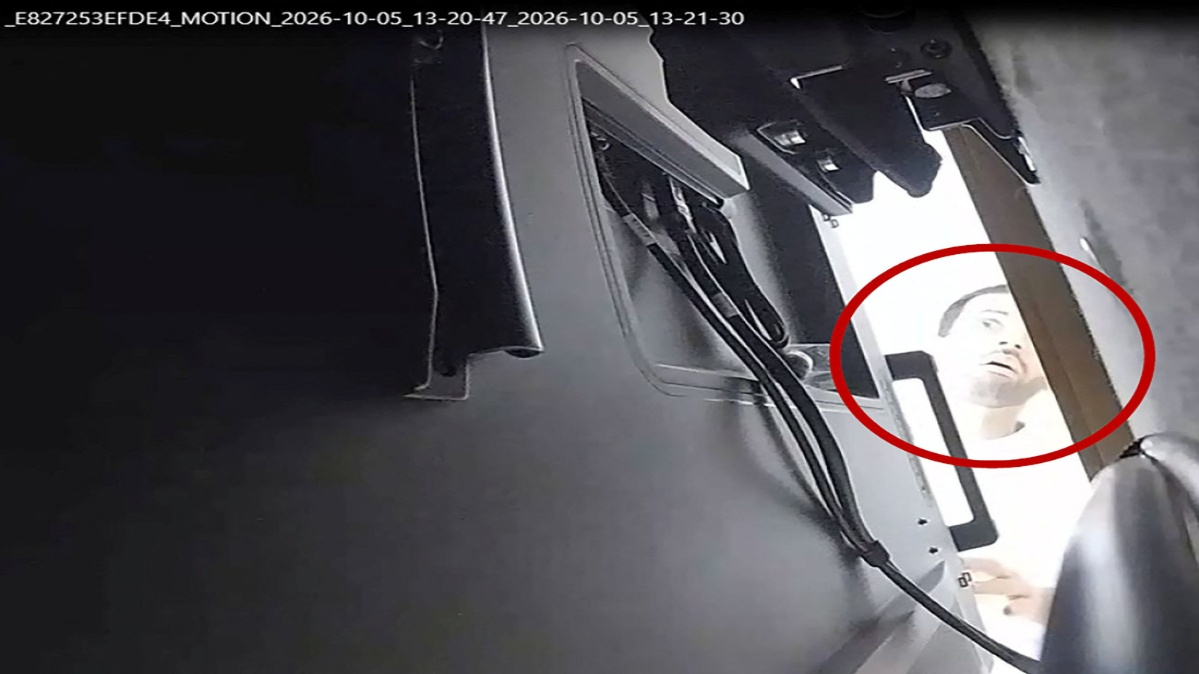
OpenAI said it initiated an internal investigation after the device was discovered and subsequently referred the matter to the FBI.
In a public statement, the company said it used its own artificial intelligence tools as part of the effort to identify the individual allegedly responsible and trace the origins of the equipment.
The company said investigators uncovered evidence suggesting plans to place additional recording devices in other sensitive areas of its offices.
However, OpenAI said its investigation found no evidence that the employee accessed or removed highly sensitive assets such as model weights, source code or customer information.
The employee's contract was terminated following the investigation, the company added.
Federal investigators allege the device was intended to capture confidential conversations involving OpenAI's advanced AI programmes.
FBI Director Kash Patel said the case involved an alleged attempt to record discussions related to the company's most sensitive research activities.
The complaint also alleges that Alfozan used internal AI productivity tools to seek information related to meeting-room schedules and facilities in the weeks before the device was discovered.
Authorities have not publicly disclosed what information, if any, was successfully obtained or transmitted.
The incident comes at a time when artificial intelligence companies are facing increasing pressure to protect proprietary research, talent and commercial secrets.
As competition between major AI developers accelerates, concerns have expanded beyond cybersecurity threats to include physical security, insider risks and corporate espionage.
The case is the latest security-related issue to affect OpenAI in recent weeks. The company recently disclosed that it had dismissed several researchers following an internal review of information-handling practices.
If convicted, Alfozan could face a prison sentence of up to five years, as well as financial penalties and supervised release.
Court proceedings are expected to determine whether prosecutors can prove the allegations and establish the intended purpose of the recording devices.
The FBI investigation remains ongoing, and authorities have not announced any additional charges or identified possible accomplices.

A building at Saudi Aramco’s headquarters in ...

Ukrainian President Volodymyr Zelenskyy says Russia hit at least six energy targets in deadly strikes across Ukraine, showing Moscow is unwilling t...

As leaders arrive in Baku for the Conference on Interaction and Confidence Building Measures in Asia (CICA), one issue linked Azerbaijan with ...

One person was killed and nearly a dozen hurt in a fresh attack on Riyadh's international airport on Sunday, Saudi authorities reported, a day after a strike claimed by Yemen's Houthis killed 13 people and wounded more than 300.

The Saudi-led coalition in Yemen said late Monday that it intercepted and destroyed two ballistic missiles launched by the Houthi group toward Khamis Mushait in southwestern Saudi Arabia.

The Houthi movement has escalated their attacks on Saudi Arabia, targeting the airport in Riyadh and other cities, killing more than a dozen people.

The Kremlin on Monday rejected a 60-day ceasefire idea proposed by Ukrainian President Volodymyr Zelenskyy to allow his country to hold presidential elections, saying it wanted an overall peace deal instead.
Ukrainian President Volodymyr Zelenskyy says Russia hit at least six energy targets in deadly strikes across Ukraine, showing Moscow is unwilling to accept the energy ceasefire announced by U.S. President Donald Trump.
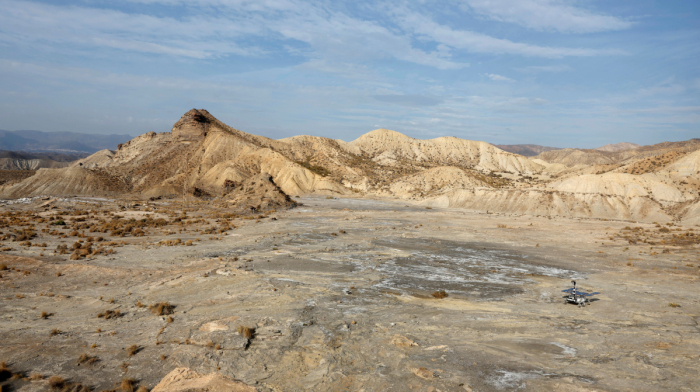
NASA's Perseverance rover has set a new driving record on Mars, travelling 45.2 kilometres since landing in 2021 and surpassing every other robotic vehicle to explore a world beyond Earth, the U.S. space agency said on Tuesday.

Small AI models could soon spread without human intervention across internet-connected devices, from smart appliances to Android TVs, Anthropic has warned, raising fears that self-replicating systems could become increasingly difficult to contain.

Here's your AnewZ Daily Brief for 13 October 2026 with the top five science and technology news happening around the world.
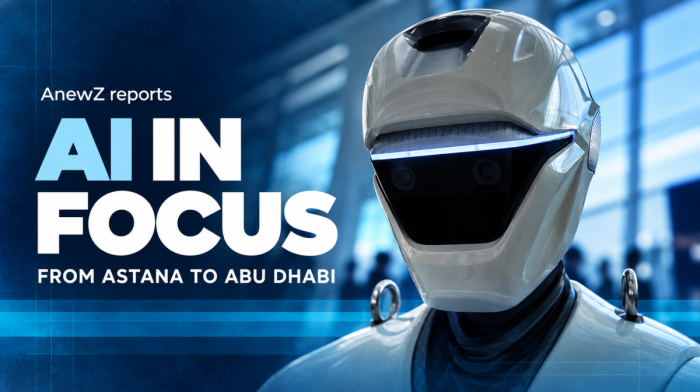
AnewZ’s recent reporting from Kazakhstan and the United Arab Emirates brings audiences closer to the technologies, and the decisions, shaping the future of artificial intelligence.

Anthropic has announced that it is updating its usage policy to allow its AI agents to end conversations involving repeated abuse or cruel behaviour towards them, citing previous incidents.
You can download the AnewZ application from Play Store and the App Store.




What is your opinion on this topic?
Leave the first comment