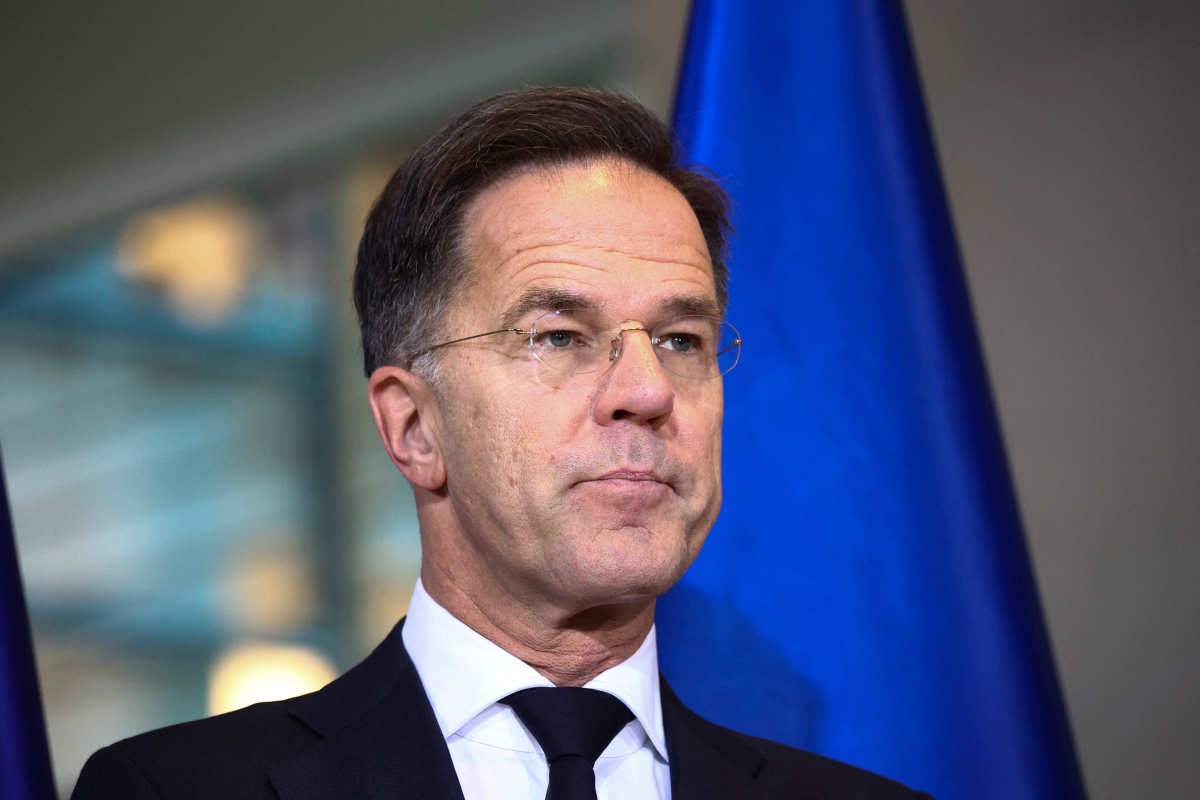
NATO's commitment to defending its members extends to space, Secretary General Mark Rutte said on Monday, following reports that Russia could launch a nuclear-armed satellite within weeks.
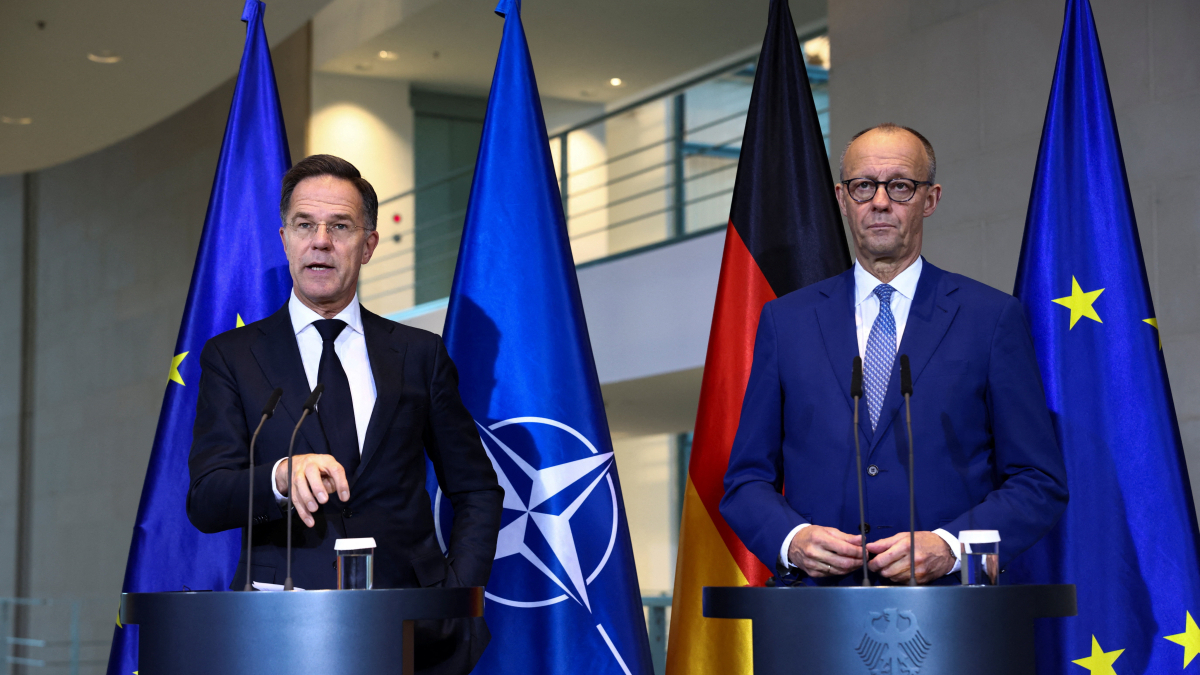
Speaking at a joint news conference with German Chancellor Friedrich Merz in Berlin, Rutte said the alliance was continuously reviewing its deterrence and defence capabilities.
“I can assure you, we will always make sure that we defend every inch of NATO territory, and that includes making sure that we are safe when it comes to the space element,” he said.
Rutte said the assessments covered the entire alliance, from the U.S. and Canada to Europe. He also highlighted joint efforts to counter Russian and Chinese influence in the Arctic.
“But also when it comes to space, which is more to the point of what came out in the German media about what the Russians might be up to,” he added.
Merz: 'No less shocking'
Merz said the reports were not entirely new, but that they were no less alarming.
“They reveal the level of escalation Russia is evidently prepared to pursue,” he told reporters, pointing to drone incidents along Poland's eastern border as further evidence of the threat. He stressed the need to strengthen the EU's and NATO's external borders.
Merz also urged Moscow to immediately halt what he described as “dangerous provocations” after Russian missiles crossed into Poland, pledging Germany's full solidarity with Warsaw.
European leaders are expected to discuss the latest developments at a meeting in Brussels later this week.
Satellite 'ready for launch'
Earlier on Monday, German public broadcasters NDR and WDR, alongside the newspaper Süddeutsche Zeitung, reported that Germany's foreign intelligence agency, the BND, and its Western partners had warned of a possible Russian launch of a nuclear-armed satellite, known as Sputnik-S, before the end of the year.
Citing security sources, the outlets said the satellite was fully assembled and being stored near Moscow. Intelligence assessments circulated in early November suggested it could be launched within 60 days.
The Bundeswehr, Germany's armed forces, has briefed senior officials, including Defence Minister Boris Pistorius, in recent weeks. German military officers believe a December launch is plausible, according to the reports.
A nuclear detonation in low Earth orbit could disable satellites operating in the affected zone within months, potentially causing widespread disruption to global navigation, telecommunications and weather forecasting.
The 1967 Outer Space Treaty, to which Russia is a party, prohibits the placement of nuclear weapons in orbit.
Russia denies plans
The Russian Embassy in Berlin said it was unaware of any such plans, dismissing “all unfounded allegations regarding the space activities of the Russian Federation” as “part of a propaganda campaign”.
The embassy insisted that Russia's space activities were conducted “in accordance with international obligations” and served “exclusively peaceful purposes”.
Read more:


















What is your opinion on this topic?
Leave the first comment