Australia condemns Israel over closure of Gaza aid worker case
Australia on Thursday condemned Israel’s decision to close its criminal investigation into the deaths of Australian aid worker Zomi Frankcom ...
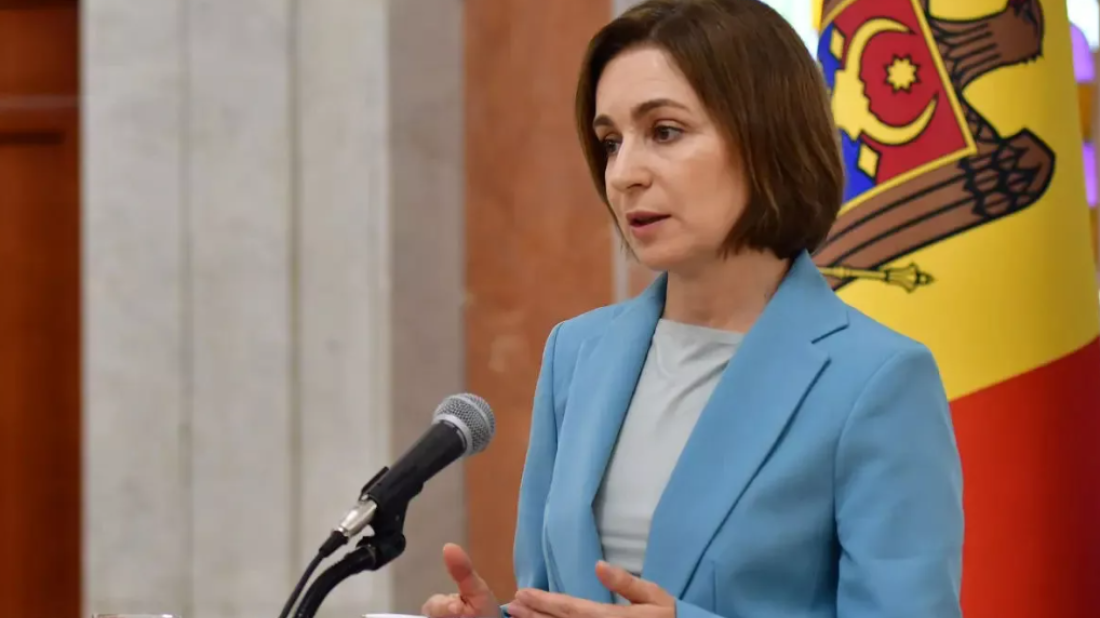
Moldovan President Maia Sandu has warned that Russia is recalibrating its political strategy following recent regional elections and intends to continue interfering in political processes across multiple countries, including Moldova and Armenia, Caliber.Az reported, citing Moldovan media.
In an interview with Romanian journalists, Sandu said Moscow is now shifting focus to nations with upcoming elections in an effort to preserve its influence across the post-Soviet region and even within established Western democracies.
“The Russian Federation is adjusting its strategy. They did not expect such results and are now revising their plans. They will focus on countries where elections are approaching, for instance, Armenia next year, where they will attempt to seize control of power,” Sandu said.
She stressed that states bordering Ukraine have become particular targets of Russian propaganda and disinformation campaigns, with the Kremlin seeking to turn them into “unfriendly or neutral actors” regarding the war in Ukraine.
“Unfortunately, it has managed to manipulate parts of our citizens, as well as citizens of Romania,” she added.
Sandu cited Moldova’s own experience with information warfare and interference, saying that while in Moldova Russian influence often involves vote-buying and direct manipulation, in countries such as Romania, France, or Germany, it operates more subtly through propaganda networks that are harder to detect.
Addressing the growing threat of cyberattacks and online disinformation, Sandu noted that neither Moldova nor the European Union currently has effective mechanisms to counter Moscow’s influence.
“Freedom of expression is one thing, but artificially amplified content financed by Moscow is another. We allow autocrats to exploit democratic freedoms to attack democracy,” she warned.
Calling for tighter regulation of social media platforms, Sandu urged democratic nations to establish common international standards to help smaller countries defend themselves.
“Moldova is a small country, platforms neither communicate with us nor follow their own rules. We need collective action from the democratic world so that nations like ours are not left to fight alone,” she concluded.

The collective-defence agreement between Türkiye, Saudi Arabia and Pakistan signals that regional powers no longer want to rely solely on external security guarantees. Whether it becomes a stabilising deterrent or another axis of rivalry remains unresolved.
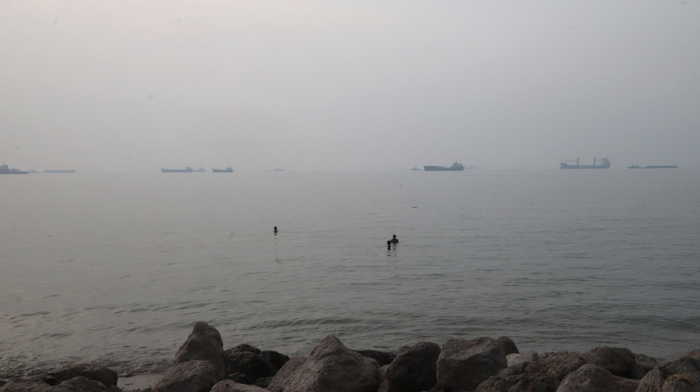
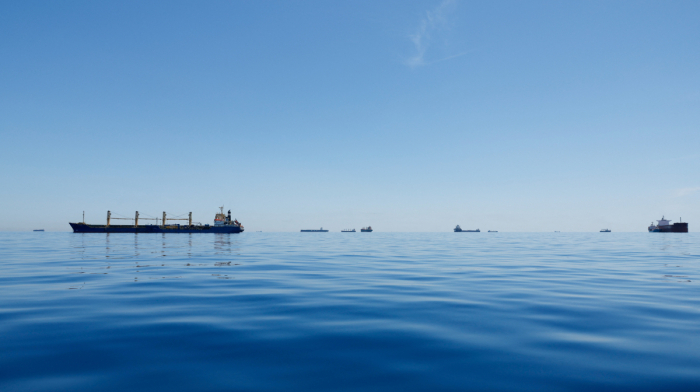
Shipping through the Strait of Hormuz has slowed, according to the latest data, as uncertainty over the waterway’s reopening kept most shipowners away. Six commodity vessels crossed the strait on Tuesday, down from nine the day before and below the 10-day daily average of 11.
Shipping traffic through the Strait of Hormuz remains limited on Thursday, with no increase in vessel crossings as U.S.-Iran talks to resolve the conflict remained stalled. Nine commodity vessels transited the key waterway on Wednesday, unchanged from the previous day, according to Kpler data.
Iran has said the Strait of Hormuz will remain closed until the U.S. fulfils the terms of an interim deal, including lifting the maritime blockade and sanctions and releasing Iran’s frozen assets.
Start your day informed with AnewZ Morning Brief. Here are the top news stories for the 19th of August, covering the latest developments.
Syria says it assured Israel that Türkiye had no plans to establish a military presence at the Abu al-Duhur airbase before Israeli forces struck the site on Tuesday.
Israeli Prime Minister Benjamin Netanyahu has issued his strongest warning yet over Türkiye's growing military role in Syria, saying Israel will not accept Turkish forces expanding their presence further south.
Azerbaijan’s support for Ukraine could provide a model for neighbouring countries seeking to strengthen their sovereignty, the director of development at an organisation supporting Ukraine’s armed forces has told AnewZ.
Two days inside Uzbekistan’s newsrooms, hospitals, factories and technology hubs reveal a country eager to show how it is changing — while that transformation is still under way.
Syrian Foreign Minister Asaad al-Shaibani arrived in Islamabad on Wednesday for a two-day visit, marking the first trip by Syria’s top diplomat to Pakistan in 19 years as Damascus seeks to deepen ties with the country.
You can download the AnewZ application from Play Store and the App Store.
What is your opinion on this topic?
Leave the first comment