Thailand launched air strikes along its disputed border with Cambodia on Monday after fresh fighting erupted before dawn on Monday, raising fears of the collapse of a peace plan brokered just months ago by U.S. President Donald Trump.
Both sides accused the other of breaching the ceasefire in clashes that broke out in the early hours along sections of the frontier, following weeks of rising tension and Thailand’s halt to parts of the truce last month.
The Royal Thai Air Force said it targeted only military infrastructure, including weapons depots, command centres and logistical supply routes it assessed as direct threats.
Cambodia, however, said Thai forces launched dawn attacks on its positions and denied Thailand’s claim that it had initiated the violence. Cambodia’s defence ministry said its troops had not retaliated and accused Thailand of spreading false information.
At least one Thai soldier was killed and at least seven wounded in clashes around two areas in Thailand’s easternmost province of Ubon Ratchathani, the Thai military said. It said its forces came under Cambodian fire before aircraft were deployed.
A Thai military official said the air strikes were in retaliation for an earlier Cambodian artillery and mortar attack that hit a Thai base near the Chong An Ma Pass.
Cambodia’s army said Thai forces had carried out “provocative actions for many days” before launching what it described as a direct assault on its positions.
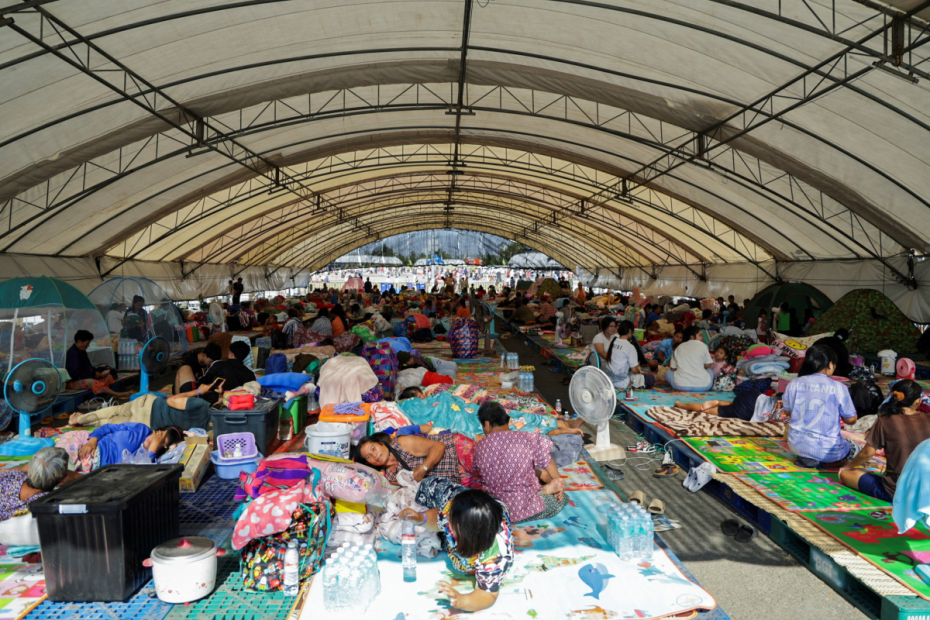
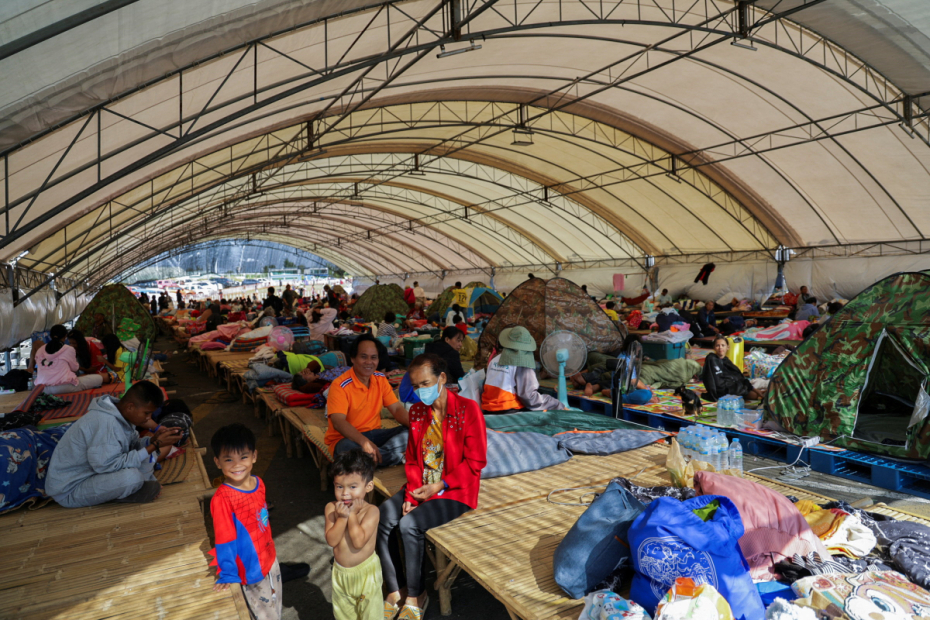
Thailand said around 70% of civilians in some border towns had been evacuated. More than 385,000 people across four border districts were being moved, with more than 35,000 already in temporary shelters. One civilian death was reported during the evacuation due to a pre-existing medical condition.
The latest fighting revives a conflict that flared into a five-day war in July, killing dozens of people and displacing about 300,000 civilians on both sides. The neighbours exchanged rockets and heavy artillery fire in their most intense clashes in years.
A ceasefire was brokered on 28 July after U.S. President Donald Trump held calls with the leaders of both countries. An expanded ceasefire declaration was later signed in Kuala Lumpur in October in a ceremony witnessed by President Trump and Malaysian Prime Minister Anwar Ibrahim.
Trump at the time described the agreement as a major diplomatic breakthrough. However, within weeks, the ceasefire began to unravel.
Thailand said it suspended implementation of the agreement after a landmine explosion at the border severely injured several Thai soldiers. Since then, tensions have steadily escalated.
Thailand and Cambodia have disputed sovereignty at several undemarcated points along their 817-kilometre land border for more than a century. The boundary was first mapped in 1907 when Cambodia was under French colonial rule.
The dispute has repeatedly erupted into violence, including a week-long artillery exchange in 2011. Despite repeated diplomatic efforts to settle overlapping claims, the frontier remains one of Southeast Asia’s most volatile flashpoints.









What is your opinion on this topic?
Leave the first comment