live Red Crescent reports Iran death toll at 555: All the latest news on the Iran strikes
Iran has been at the centre of a rapidly escalating regional crisis since Saturday, when U.S. and Israeli military strikes hit Tehran. Th...
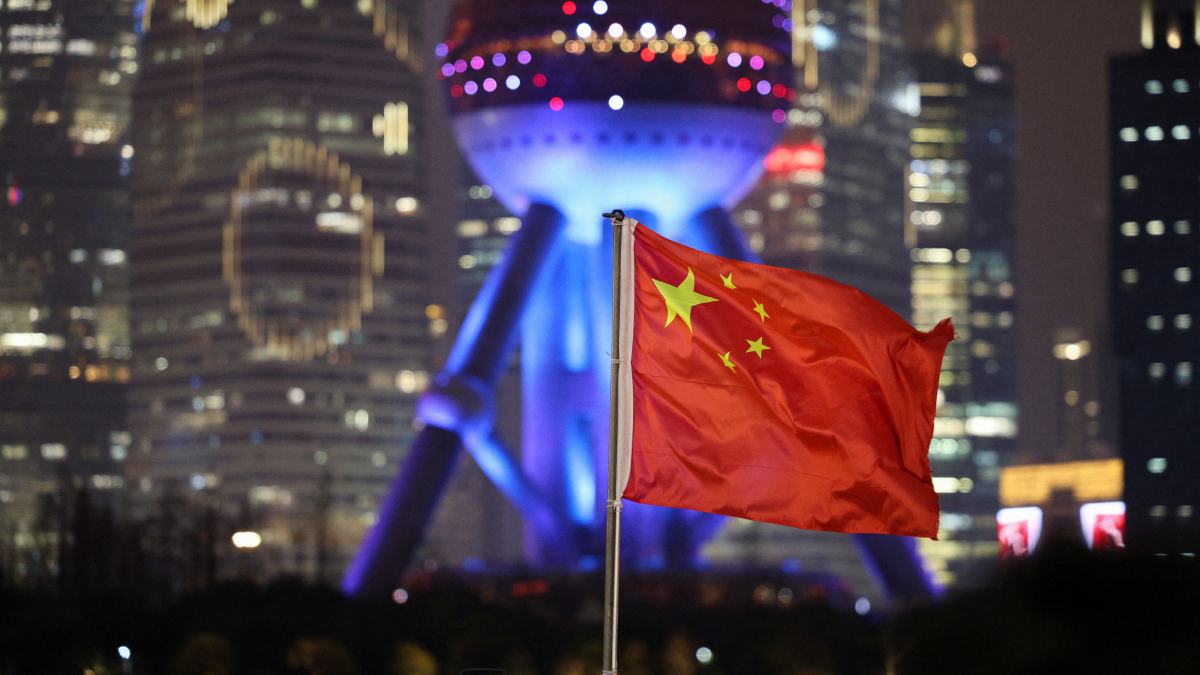
China expressed serious concern over the escalating conflict in Iran, confirming that one Chinese national was killed in Tehran. Beijing called for an immediate halt to military operations and a return to diplomatic talks, while other Asian countries have also voiced their positions on the crisis.
Mao Ning, a spokesperson for the Chinese Foreign Ministry, told a regular press briefing on Monday (2 March) that more than 3,000 others have already been evacuated from Iran. Beijing reiterated its opposition to the use of force in international relations, describing the U.S. and Israeli strikes as violations of international law.
The ministry called for all parties to halt military operations, prevent spillover, and respect the security and territorial integrity of regional countries.
China signalled willingness to work with the international community to resolve the crisis through talks.
In Malaysia, Prime Minister Anwar Ibrahim condemned the killing of Iran's Supreme Leader Ali Hosseini Khamenei, on X, describing it as placing the Middle East “on the edge of grave and sustained instability” and warning that targeting a head of state sets a dangerous precedent.
He urged Iranian authorities to act with restraint and called on all parties to step back from further escalation.
Anwar also stressed the welfare of Malaysians in Iran, the Gulf States, and the wider Middle East, pledging that government missions have full resources to assist citizens.
He highlighted the economic implications of the conflict, including risks to regional airspace and navigation through the Strait of Hormuz, and called for an immediate ceasefire, protection of civilians, and a return to serious dialogue.
PM Anwar stressed that the crisis “cannot be resolved by force” but requires diplomacy and political will.
North Korea’s foreign ministry labelled the United States' and Israeli actions “illegal aggression” and a violation of Iran’s sovereignty, calling for regional states to act to restore peace and stability.
In South Asia, protests by Shia Muslim groups in India condemned Khamenei’s killing, highlighting regional public concern.
The statements follow renewed military operations in Tehran, with Israel launching a new wave of air strikes on Sunday and Iran retaliating with missile barrages, intensifying uncertainty for the region and global markets.

Follow the latest developments and global reaction after the U.S. and Israel launched “major combat operations” in Iran, prompting retaliation from Tehran.
Ayatollah Alireza Arafi has moved into a pivotal constitutional role following the death of Supreme Leader Ayatollah Ali Khamenei, becoming the clerical member of Iran’s temporary leadership council under Article 111 of the Constitution of the Islamic Republic of Iran.
Governments across the region responded swiftly to Israel’s strikes on Iran, closing airspace, issuing travel advisories and activating contingency plans amid fears of escalation.
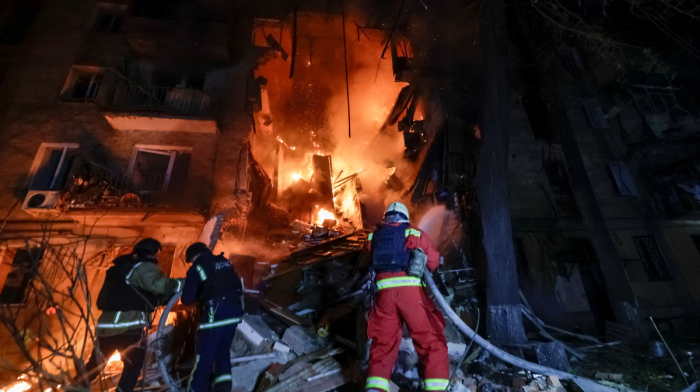
The United States and Israel have carried out large-scale strikes on Iranian leadership and military targets, with Iranian state media confirming that Supreme Leader Ayatollah Ali Khamenei was killed.
Following the U.S.-Israel strikes, Iran has called for an urgent meeting of the United Nations Security Council to be held on Monday (2 March), and vowed strong retaliation to the attacks. Touraj Shiralilou sent this update from Tehran.
Kazakhstan and Serbia have agreed to deepen their strategic partnership following talks in Astana between Presidents Kassym-Jomart Tokayev and Aleksandar Vučić, signalling a shift from political dialogue towards more practical cooperation.
Israel carried out heavy airstrikes on the Hezbollah-controlled southern suburbs of Beirut on Monday (2 March), after the Iran-backed group launched missiles and drones towards Israel in retaliation for the killing of Iran's Supreme Leader Ali Khamenei.
Iran’s Islamic Republic is backed by decades of institutional strength and the Islamic Revolutionary Guard Corps (IRGC) has proved to be resilient. Middle East expert Kevan Gafaïti from Sciences Po Paris explains why Iran's institutions are, therefore, unlikely to crumble under renewed strikes.
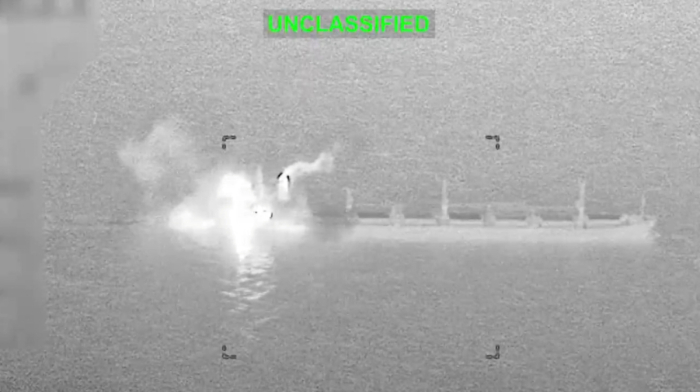
Several marine insurers said they are cancelling war risk cover for ships due to the conflict in Iran and the Gulf. Insurers including Gard, Skuld, NorthStandard, the London P&I Club and the American Club said their cancellations will take effect from 5 March.
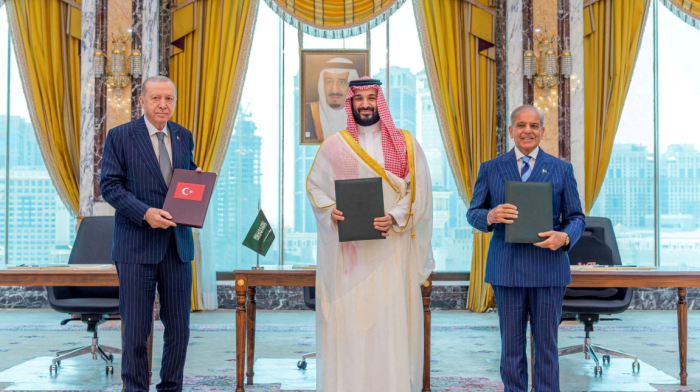
Türkiye raised its security level for Turkish-flagged vessels in the Strait of Hormuz to Level 3 on Sunday (2 March). The development follows Iranian restrictions on shipping after U.S. and Israeli strikes and confirmation of Supreme Leader Ali Khamenei’s death.
You can download the AnewZ application from Play Store and the App Store.
What is your opinion on this topic?
Leave the first comment