Yemen’s Iran-aligned Houthis said on Monday they had targeted Saudi Arabia’s East-West oil pipeline pumping stations and King Khalid International Airport in Riyadh, as regional tensions intensified. The Saudi-led coalition said it had intercepted a ballistic missile heading towards the capital.
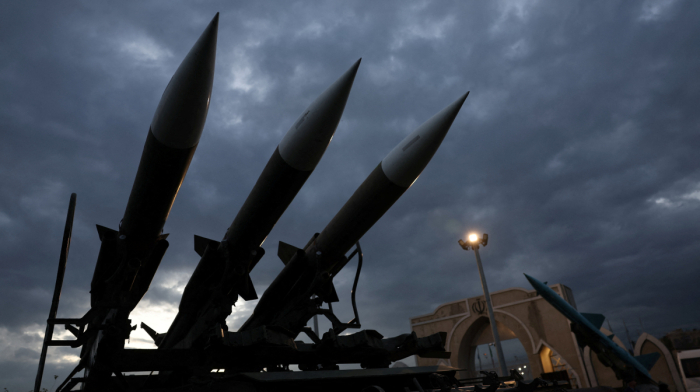
The coalition said it had also destroyed two ballistic missile launchers in Sanaa, including the one used to fire the missile towards Riyadh.
Later on Monday, it announced a broader military operation in Yemen, targeting five tunnels used to store ballistic missiles, four additional launchers, a missile storage facility, supply routes, fighters and military equipment along the front lines.
Coalition spokesman Turki al-Maliki said the military would continue taking “deterrent operational measures” to protect civilians.
Airport attacks and threats to oil infrastructure
The latest claims follow a deadly attack on King Khalid International Airport earlier this month, which the Houthis claimed responsibility for. The strike killed 13 people, making it the deadliest attack in Saudi Arabia in more than a decade. Two airport terminals reopened only on Sunday.
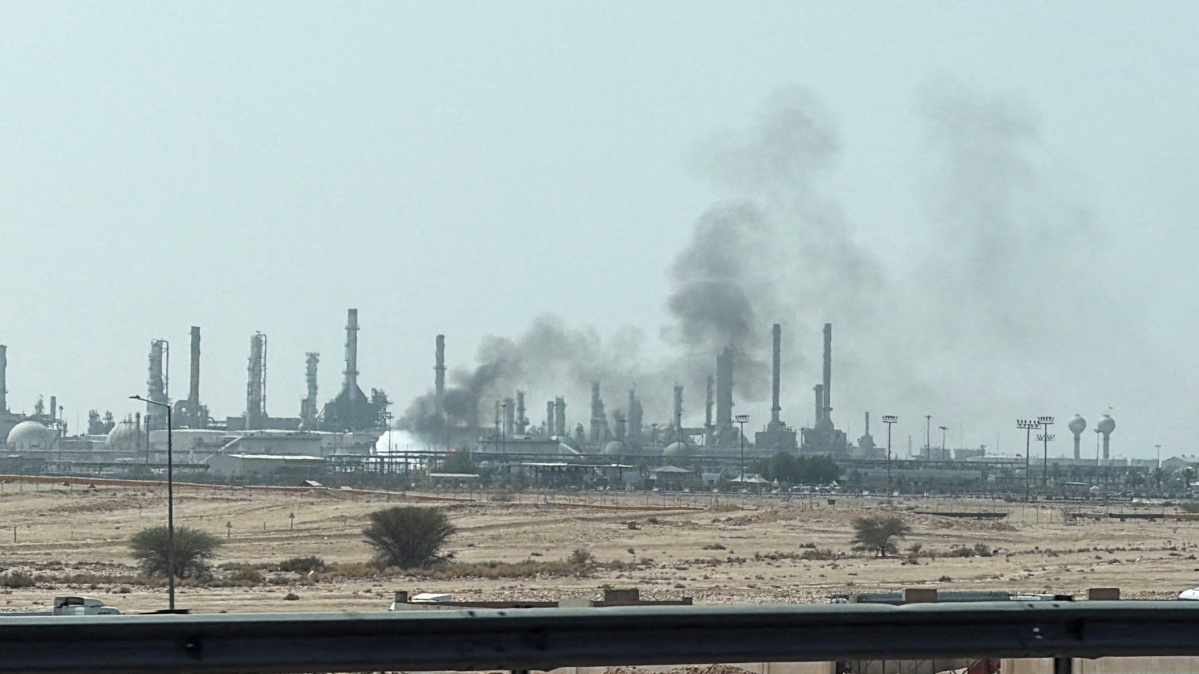
The threat to Saudi Arabia’s oil infrastructure has raised concerns over global energy supplies, with the Strait of Hormuz largely closed because of the war.
The 1,200-kilometre East-West pipeline has become a vital alternative route for Middle Eastern oil exports.
Saudi Arabia temporarily shut down the pipeline in September as a precaution following a drone attack that Riyadh and Baghdad said originated in Iraq.
On Saturday, the Houthis also claimed to have struck the pipeline and its pumping stations, an Aramco facility in Yanbu and the Rabigh refinery. Saudi Arabia has yet to confirm the claims.
Fighting threatens key shipping routes
Riyadh has intensified its military strikes since the Houthis captured strategic areas along Yemen’s Red Sea coast last month and advanced towards the Bab el-Mandeb Strait.
The strait is a crucial shipping route for Gulf oil producers, providing access to the Red Sea on the opposite side of the Arabian Peninsula from the Strait of Hormuz.
The renewed fighting has effectively brought an end to the UN-brokered truce that had largely held since 2022.
Saudi Arabia entered Yemen’s civil war at the head of a military coalition in 2015, a year after the Houthis seized Sanaa.
Saudi stocks fall as oil markets remain volatile
The escalating conflict has rattled financial markets. Saudi Arabia’s benchmark stock index fell 2.7 per cent on 25 October, its sharpest one-day decline in 18 months.
Most other Gulf markets also closed lower as investors weighed the risk of further military escalation and disruption to regional shipping.
Oil prices, meanwhile, edged lower on Monday despite continued concerns over supply.
The international crude benchmark fell by around two per cent to approximately $114 a barrel, while the U.S. crude benchmark slipped to just above $100.
Traders cited signs that oil had become overbought following Friday’s rally, which pushed prices to their highest level since April.
Crude prices have nevertheless risen by nearly 90 per cent this year, with repeated attacks on Saudi Arabia keeping investors on edge.
Friday’s rally was partly driven by reports that the U.S. and Israel could be preparing strikes against Iran following the U.S. midterm elections in early November. Israel is also due to hold elections this week.
Saudi Arabia, Türkiye and Pakistan seek talks with Iran
Amid the escalating tensions, senior officials from Saudi Arabia, Türkiye and Pakistan, the three members of the Mecca Pact, are expected to meet Iranian officials in Tehran on Monday.
The talks will focus on regional coordination, according to two people familiar with the plans.
If the meeting goes ahead, it will mark the first high-level engagement between Iran and all three countries since Houthi attacks on Saudi Arabia intensified.
Iranian Foreign Minister Seyed Abbas Araghchi has reiterated that arrangements governing the Strait of Hormuz and its shipping routes will not return to their previous form.










What is your opinion on this topic?
Leave the first comment