Governments from the Persian Gulf to the Horn of Africa are hedging against a conflict they cannot control, with contingency plans beginning to reshape trade routes, alliances and the regional map.
Few capitals in the Middle East say it out loud, but most are acting on the same assumption: the current crisis will not end in a clean settlement. Instead, it is more likely to settle into a prolonged, uneasy standoff or enter an even harder phase.
That belief explains much of what is unfolding across the region, from new pipelines and stockpiles to diplomatic ruptures and discreet bargaining with armed groups.
Why trust has collapsed
Politically, the region has spent years watching its old arrangements weaken. The war involving Iran, its allies and its adversaries has spread across several fronts. State authority is contested in places such as Iraq, Yemen and Sudan, while alliances that once looked fixed increasingly appear conditional.
Persian Gulf states that long relied on the U.S. security umbrella have been hedging for some time, engaging with Tehran, Beijing and Moscow while continuing to buy American weapons.
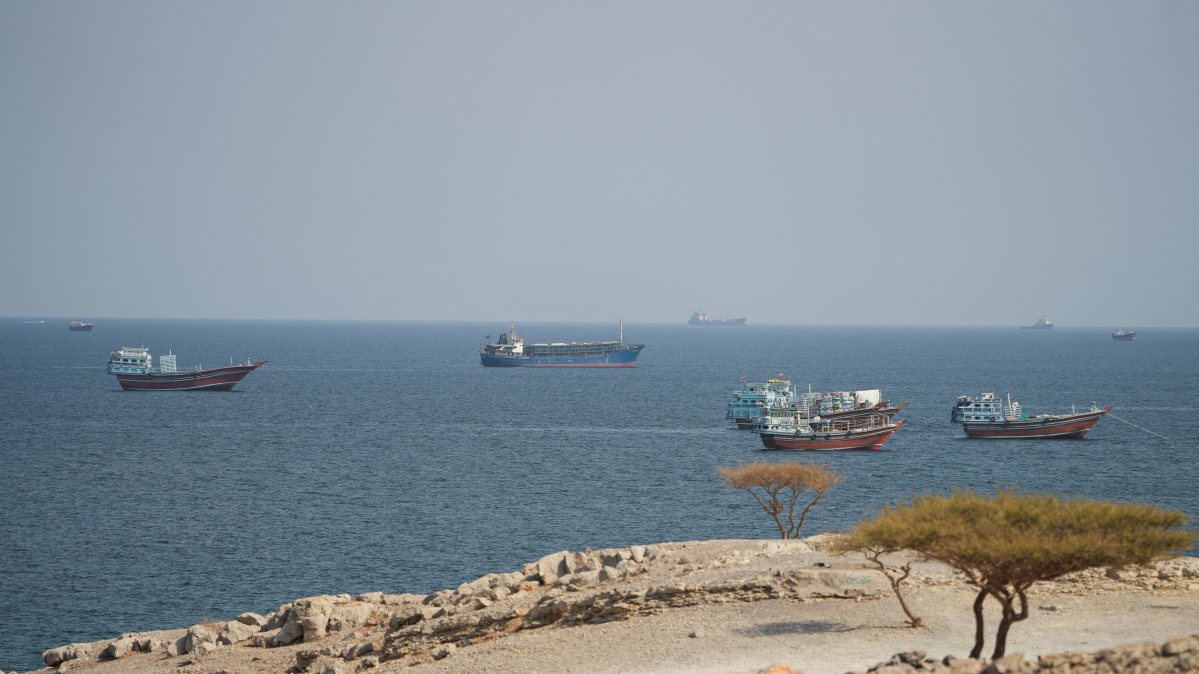
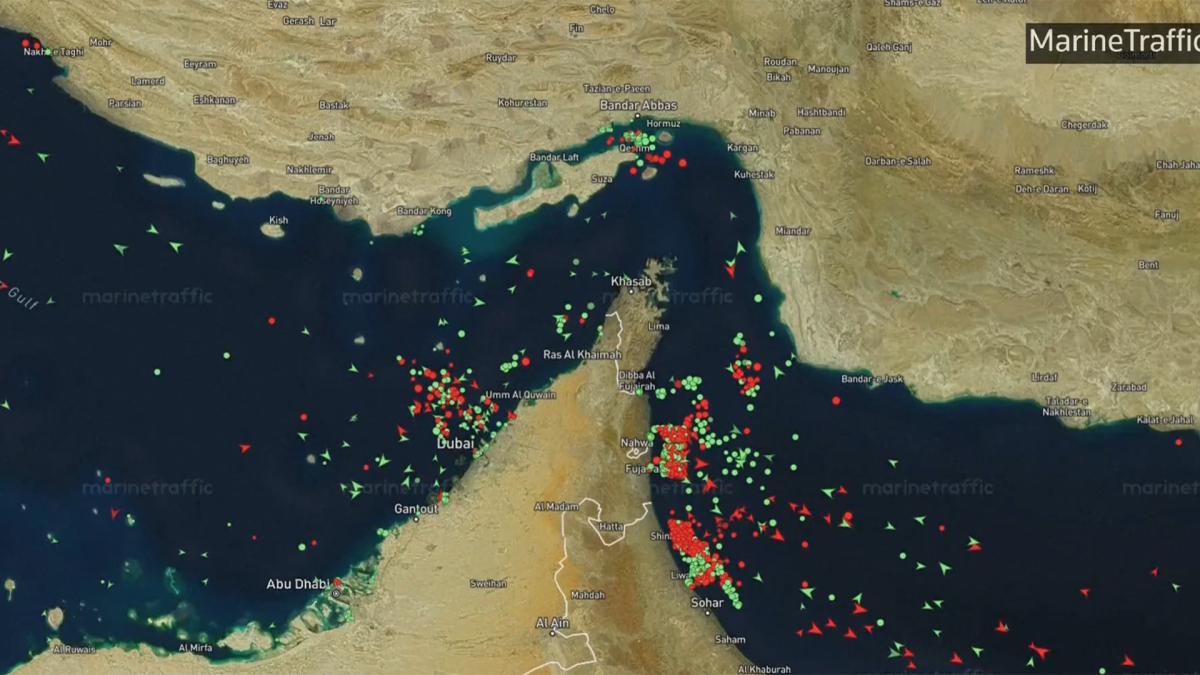
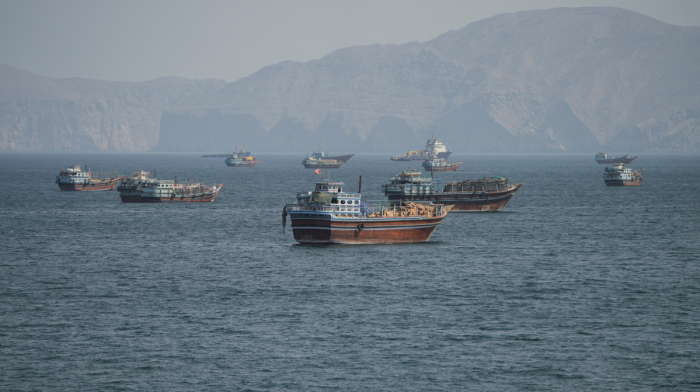
Economically, the damage is concrete. Attacks on shipping in the Red Sea since late 2023 have pushed carriers away from the Suez Canal. Threats around the Strait of Hormuz, which carries roughly a fifth of the world's oil, have underlined how exposed the Persian Gulf's export model remains. Insurance costs have risen, schedules have been rewritten and governments dependent on transit fees, oil revenue or trade corridors have felt the impact on their budgets.
The security picture is increasingly fragmented. Armed groups with their own weapons, funding and agendas operate across borders. A missile or drone launched from one country can have repercussions in another, and no one is sure who can truly restrain whom.
Distrust runs through the entire picture. Persian Gulf states doubt that Washington will stay engaged. Baghdad doubts the factions it is supposed to govern. Egypt and Ethiopia distrust each other over the Nile and now the Red Sea. China is considering how long Persian Gulf energy supplies can be taken for granted. Everyone is planning for the possibility that someone else's promise will not hold.
What could change?
Three paths appear plausible. In the first, pressure eases through quiet diplomacy, shipping returns to the Red Sea and the hedging proves to have been unnecessary insurance.
In the second, the standoff drags on and the new routes, reserves and alliances become permanent features of the region.
In the third, fresh escalation - around Hormuz or the Red Sea, or through spillover from Iraq or the Horn of Africa - forces governments to use the contingency plans they have been building.
Nobody can say which scenario will unfold. What can be said is that the preparations themselves are already shaping events. Each state's insurance policy can look to its neighbour like either a threat or a retreat.
Iraq after the Americans
The U.S. military drawdown follows a 2024 understanding between Washington and Baghdad to wind down the coalition mission. It comes amid a regional war, raising the question of who fills the space.
Baghdad says all weapons should be under state control. Iran-aligned factions, many tied to the Popular Mobilization Forces, refuse to hand over arms they regard as their own. The government holds formal authority, while the factions hold much of the firepower and considerable political leverage.
The stakes extend far beyond Iraq. Territory the state does not fully control can be used to pressure Persian Gulf neighbours or move weapons towards other fronts, including the Houthis in Yemen. Baghdad's task is to prevent Iraq from becoming a link in that chain at a time when it has less outside backing than it has had in years.
Ethiopia and Eritrea open another fault line
The diplomatic break between the two countries comes at a time when the Red Sea is already strained by the Yemen war and the Houthi campaign against shipping.
Ethiopia, home to well over 100 million people, has been landlocked since Eritrea became independent in 1993. Addis Ababa has pushed openly for sea access and a bigger Red Sea role. Eritrea controls a long, strategic coastline and has no wish to share its influence.
Neighbours have reason to worry. Egypt, already at odds with Ethiopia over the Nile dam, has its own stake in Red Sea security. Sudan's war means it could be drawn into any regional realignment. Djibouti hosts foreign bases and handles most of Ethiopia's trade. A confrontation could affect all of them.
China protects its fuel supply
Beijing's decision to curb refined-product exports is a defensive move. China is among the world's largest energy consumers and buys huge volumes of Persian Gulf crude. With the conflict disrupting energy flows, keeping fuel at home gives it a buffer against a prolonged shock.
For Saudi Arabia, the UAE and Qatar, the signal is mixed, because China remains a vital customer. But a buyer that builds buffers and shields its own market becomes slightly less dependent on any one supplier's goodwill, and Persian Gulf producers will notice.
Can Suez win the ships back?
Some shipping and energy flows are beginning to recover, but companies have spent months redrawing routes, renegotiating insurance and building schedules around the longer journey around the Cape of Good Hope.
Before the Houthi attacks, Suez carried roughly 12 per cent of global trade, and canal revenue is important to an Egyptian government under financial strain. The key question is how quickly carriers will return if security improves.
Shipping lines are cautious by nature, and many will want proof that calm can last before they unwind arrangements that took months to build. Some of the lost traffic may never return.
New network of land corridors
The region is building new routes around its own bottlenecks.
Persian Gulf states want land alternatives because of the vulnerability of the Strait of Hormuz. Saudi Arabia is leaning on its East-West pipeline to Yanbu on the Red Sea, while the UAE has its Fujairah route on the Gulf of Oman.
Ethiopia depends on the corridor to Djibouti, while Egypt is trying to protect Suez as the Red Sea's most valuable asset.
Further north, Türkiye is expanding its role as a logistics bridge between Asia, the Persian Gulf and Europe.
Each step makes sense on its own. Together, they point to a region that has stopped assuming its vital sea lanes will always remain open.
Whether this is prudent insurance or preparation for something worse is the question every capital is now trying to answer. The outcome will depend as much on how neighbouring states use their own contingency plans as it will on where the next shot is fired.
Read more from the Middle East:











What is your opinion on this topic?
Leave the first comment