Missile and drone attacks have put Saudi Arabia on high alert, disrupting life in Riyadh and testing a new defence pact with Türkiye and Pakistan as regional tensions escalate.
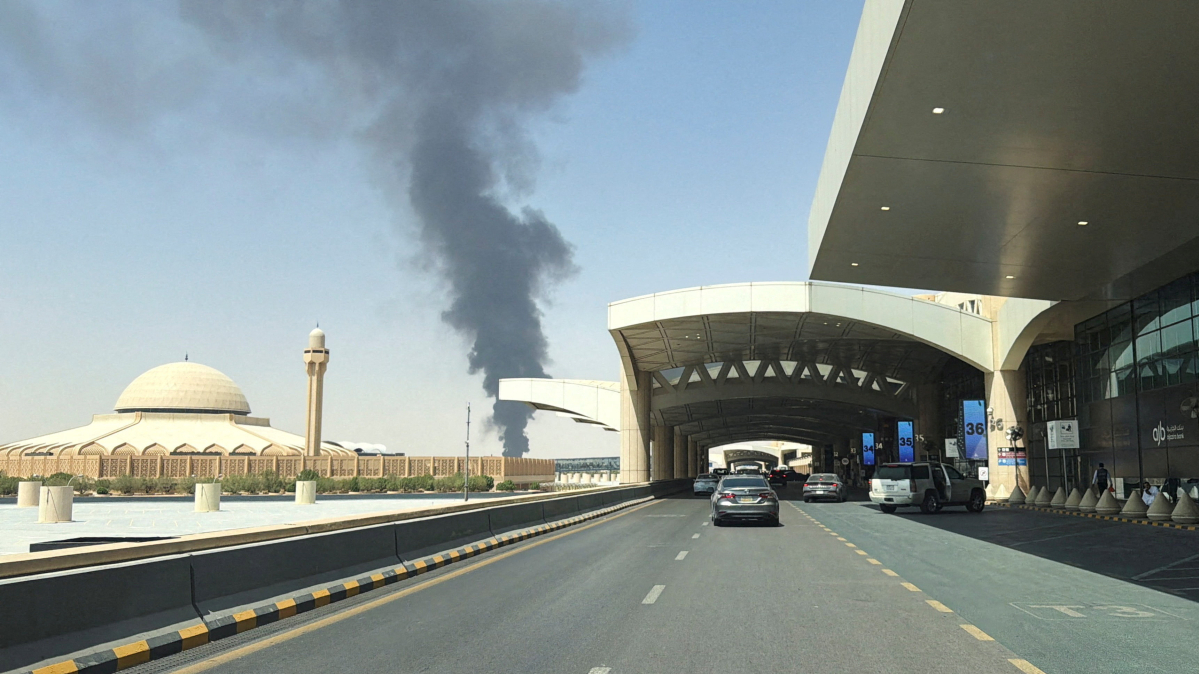
Residents of the Saudi capital faced a night of repeated security alerts on Friday, with phones lighting up from midnight into the early hours as Iran-backed Houthi forces targeted sites across the kingdom. Warnings were issued in Riyadh, Abha, Khamis Mushait and Najran Province.
The Saudi-led coalition said it had intercepted a missile heading for the capital and destroyed four drones over the Riyadh and Medina regions within hours.
On Thursday, the Houthis claimed to have struck the Saudi Defence Ministry's headquarters in Riyadh and Saudi Aramco facilities in Yanbu. Saudi officials have not confirmed either claim.
Deadly strikes disrupt daily life
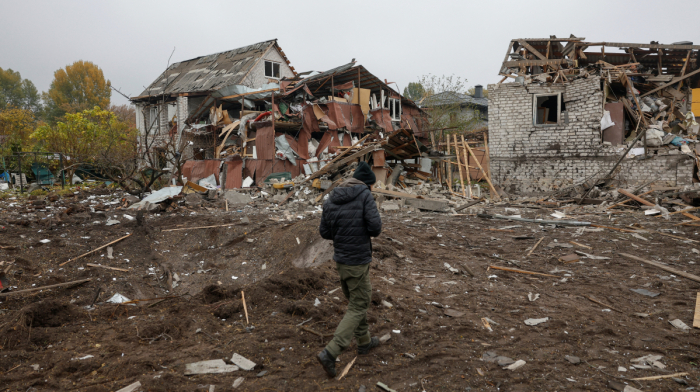
Earlier attacks on airports in Riyadh, Abha and Dammam have left at least 20 people dead and hundreds injured.
The threat has brought widespread disruption to daily life. Many skyscrapers in Riyadh remain closed, schools have shut and hotels near the Kingdom Tower in the city centre have been evacuated as a precaution.
Aramco has instructed remaining employees at its Dhahran headquarters to leave and work remotely until further notice.
Saudi officials confirmed that a building housing the company's operations centre had been struck.
Houthis warn airlines to avoid Saudi airspace
Early Friday, the Houthi-run Humanitarian Operations Coordination Center repeated its warning for airlines to avoid Saudi airports and airspace, with exceptions only for airspace over Mecca and Medina.
The statement included the slogan “Escalation for escalation.”
The centre said the warning would remain in force until what it calls the “aggression and blockade” against Yemen ends.
It also disclaimed responsibility for the safety of aircraft, crews and passengers if airlines ignored the warning.
No end date was given, and the statement did not specify what action could be taken against aircraft continuing to use Saudi airspace.
How the conflict escalated
The Houthis began attacking Saudi Arabia after declaring a naval blockade against Riyadh in July, opening another front in a wider regional conflict that began with U.S. and Israeli strikes on Iran.
Al Jazeera reported that the group had also made gains along extensive stretches of the Red Sea coast, including the strategically important Bab al-Mandeb Strait.
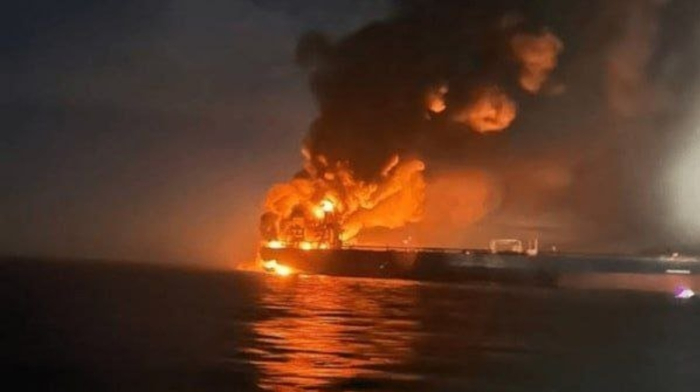
The developments have heightened concerns over the security of vital shipping routes, bringing maritime trade into focus in diplomatic discussions about the conflict.
Saudi allies face first major test of defence pact
Saudi Arabia's allies are stepping up their support as the kingdom confronts the attacks.
Britain is providing additional defensive assistance, including RAF Typhoon patrols aimed at helping intercept incoming missiles and drones. The U.S. and other partners are also strengthening security precautions.
A more significant political test, however, centres on the Mecca Joint Defence Agreement, signed on 7 August by Saudi Crown Prince Mohammed bin Salman, Turkish President Recep Tayyip Erdoğan and Pakistani Prime Minister Shehbaz Sharif.
Under the agreement, an armed attack against any one of the three countries is considered an attack against all three.
The pact has faced growing pressure in recent weeks. In late September, the three countries' foreign ministers condemned Houthi attacks on civilian and economic facilities in Saudi Arabia, alongside reported attacks on Mecca, which the Houthis deny carrying out.
Türkiye and Pakistan have since announced a “rapid deployment” of troops to the kingdom, although neither specified what role those forces would undertake.
Questions remain over how far the three countries are prepared to go in enforcing the agreement.
Despite its NATO-style collective defence provision, neither Pakistan nor Türkiye had launched retaliatory strikes against the Houthis as of late September.
Pakistan has said it would act when the “time comes.”
According to an analysis by Al-Monitor, the attacks are forcing the agreement's signatories to put their commitments into practice sooner than expected, although Türkiye is unlikely to become directly involved in military operations against the Houthis.
Ankara's position remains focused on defensive support rather than offensive action.
Türkiye pushes for diplomatic solution
Meanwhile, Türkiye is hosting regional and European foreign ministers for talks that are expected to address the escalating security crisis in Saudi Arabia.
Ankara is expected to push for a diplomatic resolution to the conflict between the U.S. and Iran, while emphasising the importance of freedom of navigation through the Strait of Hormuz and Bab el-Mandeb.
Turkish officials are also expected to reaffirm their commitment to Saudi Arabia's security under the Mecca agreement.
Saudi Arabia faces growing economic pressure
For Riyadh, the challenge is to protect its territory without becoming drawn into a prolonged confrontation that could disrupt aviation, oil exports and regional trade.
The Houthis have demonstrated their ability to threaten targets deep inside Saudi Arabia, while Saudi forces continue operations against the group's military capabilities.
Additional foreign military assistance could strengthen the kingdom's defences, but also carries the risk of further escalation.
The airspace warnings, closures in central Riyadh and attacks on Aramco-linked facilities underline the growing economic impact of the conflict, extending well beyond the immediate military threat.
With regional diplomacy intensifying, attention is now turning to whether talks in Ankara and elsewhere can help contain the violence before the disruption spreads further.












What is your opinion on this topic?
Leave the first comment