Saudi Foreign Minister Prince Faisal bin Farhan arrived in Washington on Monday for talks with U.S. Secretary of State Marco Rubio as Houthi attacks increase pressure on Riyadh and threaten Red Sea shipping.
The talks come as Riyadh seeks greater U.S. security support while the Houthis signal that they intend to keep American vessels out of the conflict.
Riyadh seeks U.S. support
Saudi Arabia has asked Washington for military help against the Iran-backed Houthis, but the U.S. has so far declined to launch strikes. It has, however, agreed to provide Riyadh with intelligence and targeting support, sources told Reuters.
The kingdom has also faced Houthi missile and drone attacks, including two ballistic missiles and two drones intercepted near Saudi Arabia.
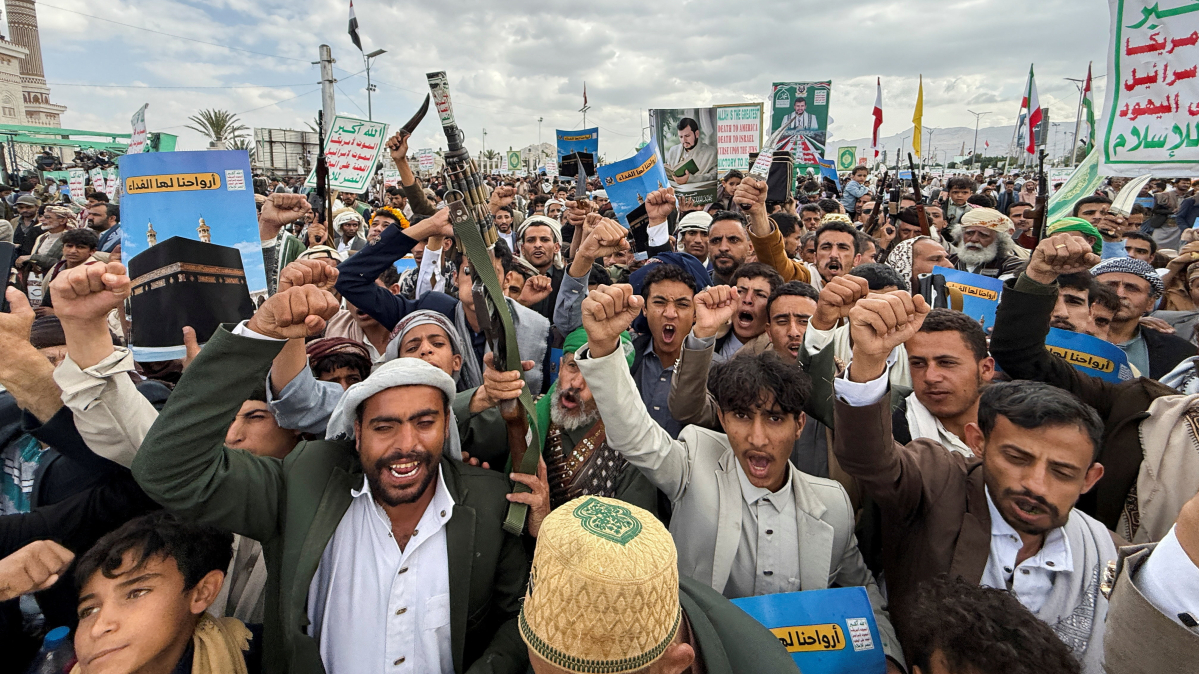
The Houthis, meanwhile, have drawn a deliberate distinction between Saudi and U.S. targets. Senior Houthi official Mohamed al-Bukhaiti told the Associated Press on 20 September that the group did not intend to attack U.S. vessels in the Red Sea, while warning countries against supporting Saudi Arabia.
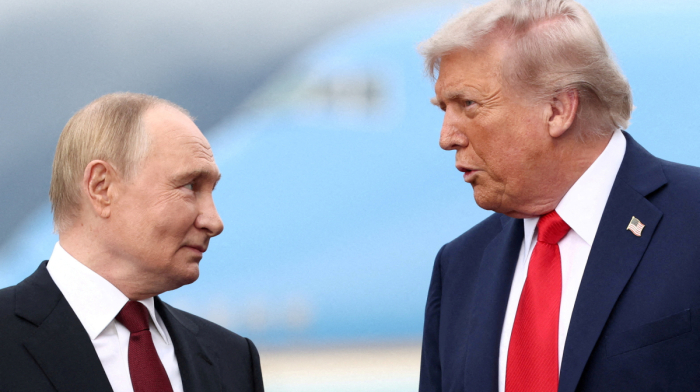
U.S. President Donald Trump has also said the Houthis assured Washington that American shipping would not be targeted, Reuters reported.
That leaves Saudi Arabia facing more immediate military pressure than the U.S.
Red Sea disruption raises global costs
The stakes extend far beyond the region. The Red Sea leads to the Suez Canal, one of the world's most important trade routes.
In 2023, about 26,000 vessels passed through the canal, which carries around 10 per cent of global maritime trade by volume and 22 per cent of containerised trade.
The route carries manufactured and consumer goods, machinery, components, energy and other commodities between Asia, Europe, the Mediterranean and the U.S. East Coast.
For U.S. businesses, disruption can translate into higher freight, insurance and fuel costs as vessels take longer alternative routes. The previous Red Sea crisis demonstrated how quickly those costs can mount.
By mid-2024, tonnage transiting the Suez Canal had fallen by around 70 per cent, while arrivals around the Cape of Good Hope had risen by 89 per cent as vessels diverted around southern Africa.
UNCTAD said the diversions raised global vessel demand by three per cent and container ship demand by 12 per cent.
Saudi oil route under pressure
Saudi Arabia faces another major vulnerability: its oil infrastructure.
The kingdom's 1,200-kilometre East-West Pipeline carries crude from eastern oil fields to the Red Sea, allowing shipments to bypass the Strait of Hormuz.
In recent months, it has carried around four million to five million barrels a day - equivalent to roughly four per cent to five per cent of global oil supply, according to Reuters.
The pipeline was temporarily shut after a drone attack on 13 September, forcing Saudi Arabia to shift more crude towards terminals on the Gulf.
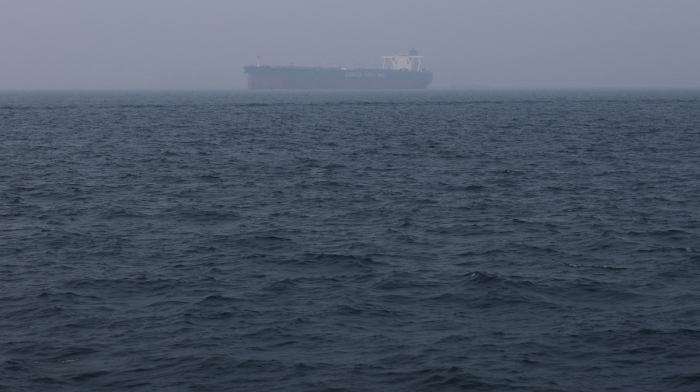
Aramco loaded about 14 million barrels of crude onto seven large tankers at Ras Tanura on 20 September. Saudi oil flows through the Strait of Hormuz also rose to about 2.9 million barrels a day, up from roughly 700,000 barrels a day in August.
Washington faces a difficult balance
Against that backdrop, Prince Faisal's talks with Rubio carry significance well beyond the bilateral relationship.
Washington is being asked to support a close ally whose oil infrastructure and shipping routes are under growing pressure. At the same time, the Houthis are signalling that they want to keep U.S. vessels outside the conflict.
The competing pressures leave Washington with a difficult calculation: how far to support Saudi security without being drawn into a deeper military role in Yemen.
For Riyadh, the priority is stronger protection. For the Houthis, it is maintaining pressure on Saudi Arabia while avoiding direct confrontation with the U.S.
The Red Sea raises the stakes further. A route carrying around one-fifth of global container trade cannot face prolonged disruption without consequences for shipping costs, energy markets and, ultimately, prices for businesses and consumers worldwide.

















What is your opinion on this topic?
Leave the first comment