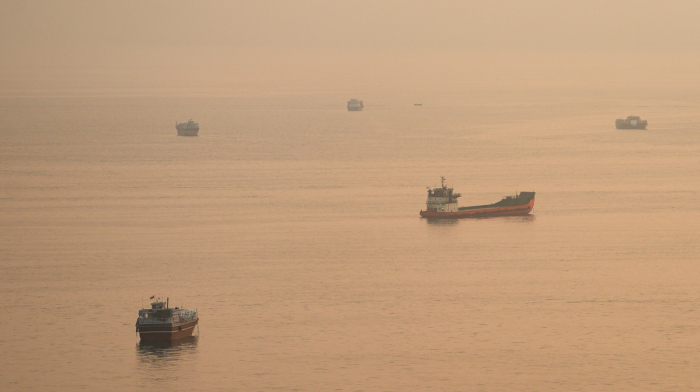
Saudi Arabia is facing a problem that goes beyond the latest Houthi attacks on its southern oil facilities. The kingdom is now dealing with pressure on energy exports at the Strait of Hormuz to the east and the Red Sea route to the west.
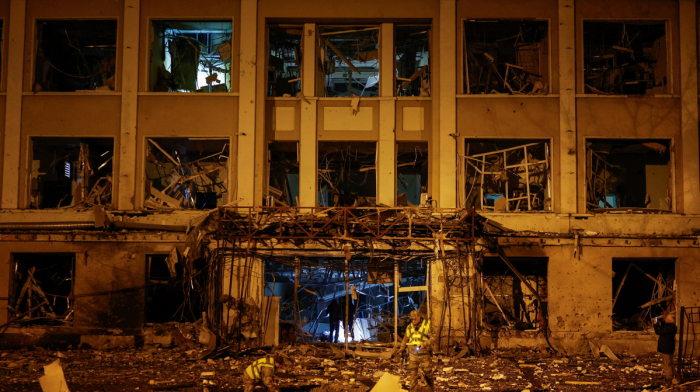
Following the latest tensions in the region between Saudi Arabia and Houthi forces, the Houthis launched missiles and drones at several sites in southern Saudi Arabia, including energy facilities in Jazan, Abha and Najran. The attacks caused fires and forced some operations to be temporarily shut down.
Jazan is home to a refinery capable of processing around 400,000 barrels of crude a day. And when gates to oil exports are closed, Saudi Arabia is looking for alternatives.
Looking elsewhere for oil export routes
Saudi Arabia has spent years building alternatives to Hormuz.
Its East-West pipeline moves crude from the country's eastern oil fields across Saudi territory to Yanbu on the Red Sea. That gives Riyadh a way to send oil toward international markets without passing through Hormuz. The problem is that the Houthis have also opened a front around the Red Sea.
The East-West pipeline carries crude from the oil-producing areas in eastern Saudi Arabia across the country to Yanbu on the Red Sea. It can transport up to seven million barrels per day; around five million barrels of that capacity can be used to load crude for export, with the remainder available to supply refineries.
However, the alternative route does not remove the security risks facing Saudi Arabia. The Houthis have therefore increasingly focused on Saudi energy infrastructure itself, which can create pressure even when Saudi oil exports continue through alternative routes.
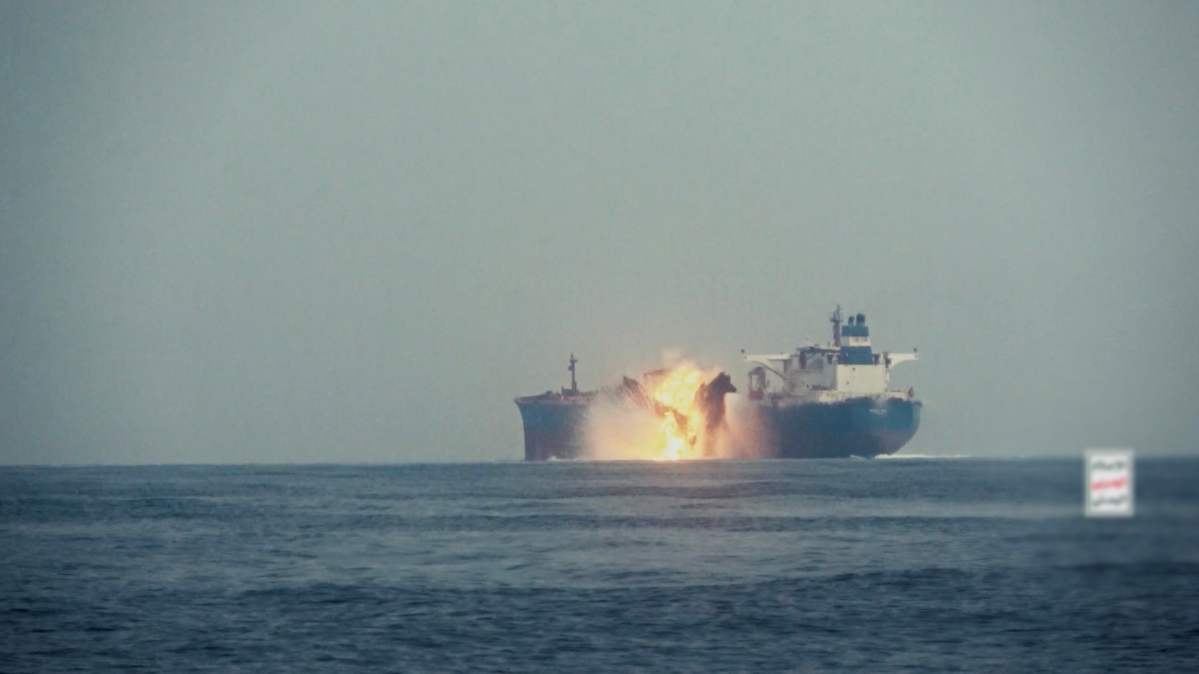
The group has previously targeted Saudi oil infrastructure and has threatened shipping around the Red Sea. Their latest attacks on southern Saudi Arabia bring the conflict closer to the infrastructure that connects the kingdom to its western coast.
The Red Sea route gives Saudi Arabia an important advantage over countries that have almost no alternative to Hormuz. But its capacity is limited, and the route is exposed to a separate security threat from the Houthis.
The economic stakes are significant. Saudi Arabia's oil sector accounts for about 22 per cent of GDP, more than half of government revenues and around 60 per cent of exports. Its estimates show that a $10 increase in the average annual oil price could raise fiscal revenues by about 2.3 per cent of GDP.
At the same time, a reduction of one million barrels per day in annual exports would cut fiscal revenues and exports by a similar scale. That is the problem Saudi officials now have to manage.
The Houthi threat re-emerges
Against this economic backdrop, the latest confrontation with the Houthis is being presented as a security issue that directly affects the kingdom’s territory, national infrastructure and ability to protect its economic interests. Riyadh sees the Houthis as an Iran-backed armed group operating from Yemen that is now putting pressure on Saudi Arabia while the wider U.S.-Iran war is disrupting the Gulf.
Saudi officials have accused the Houthis of deliberately targeting national assets and infrastructure. The Houthis say their attacks are retaliation for Saudi military operations against Houthi-controlled areas in Yemen.
The group has also demanded an end to Saudi military activity, the lifting of restrictions on Houthi-controlled ports and airports, payments to Houthi officials and compensation for wartime losses. Saudi Arabia rejects the Houthi attacks and has continued to support forces fighting the group inside Yemen.
At the same time, the kingdom is trying to avoid being pulled directly into a wider confrontation with Iran, but it also does not want Houthi attacks to establish a new security reality on its southern border.
This leaves Saudi Arabia facing pressure from two different directions. The disruption around Hormuz is linked to the U.S.-Iran conflict, while the Red Sea threat is increasingly connected to the Houthis. Brent crude has moved above $100 a barrel amid the wider escalation.
The bigger Saudi concern now is not simply another Houthi missile attack. It is whether the Yemen front becomes permanently connected to the wider U.S.-Iran war, putting Saudi Arabia under simultaneous pressure from its southern border, the Red Sea and the Gulf.
Read more:















What is your opinion on this topic?
Leave the first comment