Abu Dhabi’s ADIPEC 2026 has closed after four days, with a record $67 billion in deals, 240,000 attendees and its largest exhibition yet, highlighting the global energy industry’s focus on security, investment and artificial intelligence.
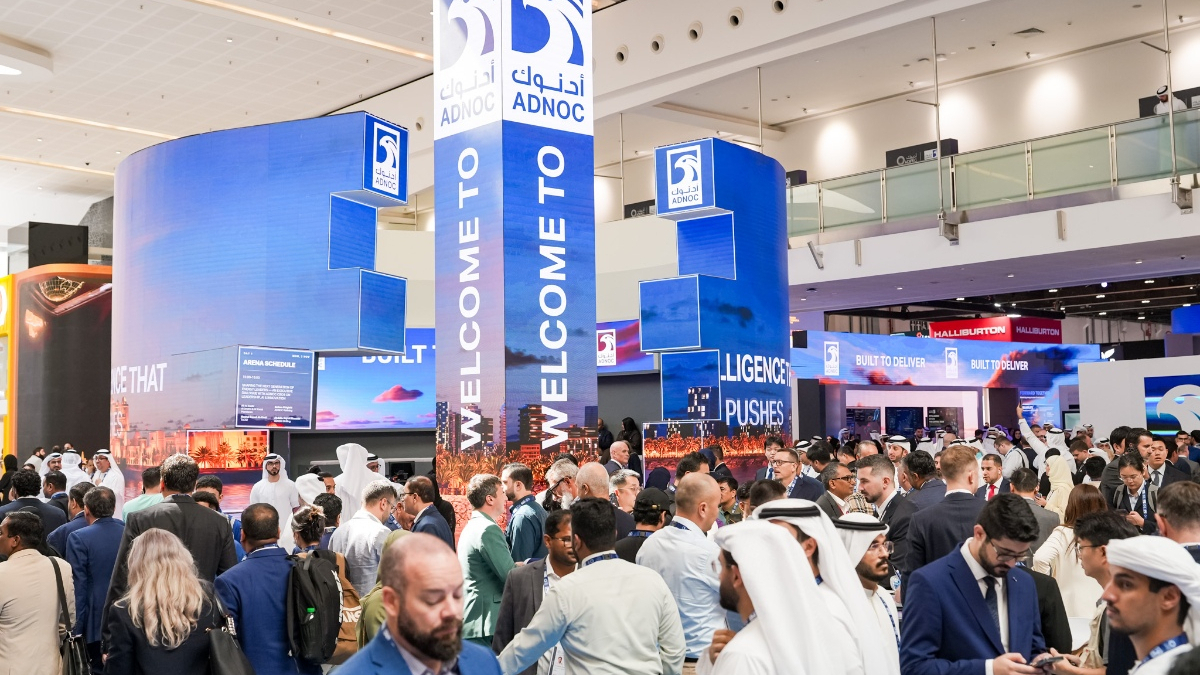
The Abu Dhabi International Petroleum Exhibition & Conference (ADIPEC) 2026 recorded more than 50,000 deals worth an estimated $67 billion, a 26.4 per cent increase on last year. Hosted by ADNOC at the Abu Dhabi National Exhibition Centre under the patronage of UAE President Sheikh Mohamed bin Zayed Al Nahyan, the event attracted participants from 170 countries.
Business continued until the final hours, with delegations holding meetings, agreements being finalised and participants already looking ahead to next year’s gathering.
Energy security at the centre
Energy security emerged as a central theme, with concerns over tightening supplies, rising transport costs and pressure on global supply chains dominating discussions.
ADNOC chief executive Sultan Al Jaber warned on the opening day that the global energy system's supply buffers were running dangerously thin. Diesel stockpiles in some regions had fallen to their lowest levels in 35 years for this time of year, while other markets faced a liquefied natural gas (LNG) supply gap of 600 billion cubic feet.
He stressed that energy security must be measured by reliable delivery, not simply production, pointing to shipping costs that now account for around 30 per cent of a barrel’s price.
Al Jaber outlined five priorities: increasing accessible energy supplies, securing transport routes, improving operational intelligence, mobilising policy, financial and insurance support, and investing in the workforce.
The discussions came amid continuing tensions in the Middle East and growing pressure on international supply chains.
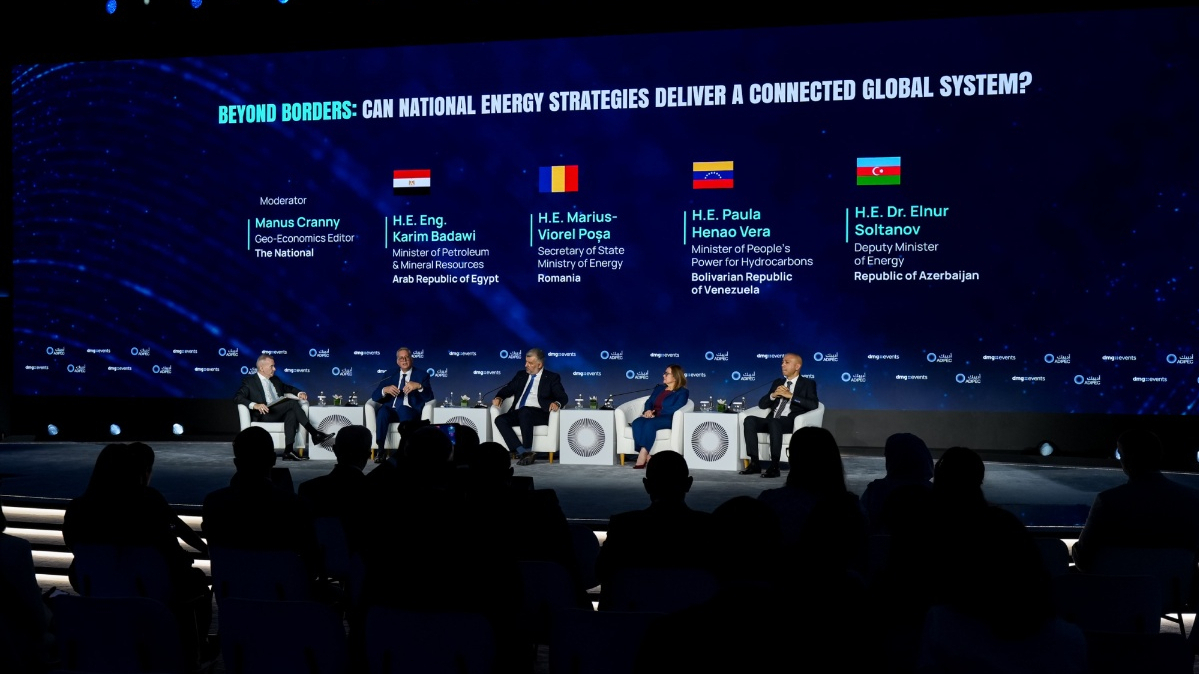
More than 40 ministers and policymakers attended, including senior representatives from Germany, Canada, Egypt, Austria, Japan, Kazakhstan and Nigeria. The conference also brought together more than 1,800 speakers across over 380 sessions and 13 programmes.
AI moves from pilot to deployment
Artificial intelligence (AI) was another major focus, with industry leaders shifting their attention from experimental projects to practical applications across the energy sector.
OpenAI chief executive Sam Altman addressed the opening ceremony, highlighting AI’s potential to tackle complex energy challenges, accelerate decision-making and improve operational efficiency.
One of the week's most significant technology announcements was a partnership between ADNOC, OpenAI and G42.
The growing importance of AI was also evident across the exhibition floor. The dedicated AI Zone expanded by 20 per cent compared with last year, attracting major technology companies including Microsoft, NVIDIA, IBM, Huawei, Honeywell and Siemens.
Among the innovations on display were Gecko Robotics’ Raptor inspection robot and Honeywell’s Forge Upstream platform. Other exhibits showcased autonomous operations, digital twins, advanced manufacturing and lower-carbon technologies.
The largest exhibition yet
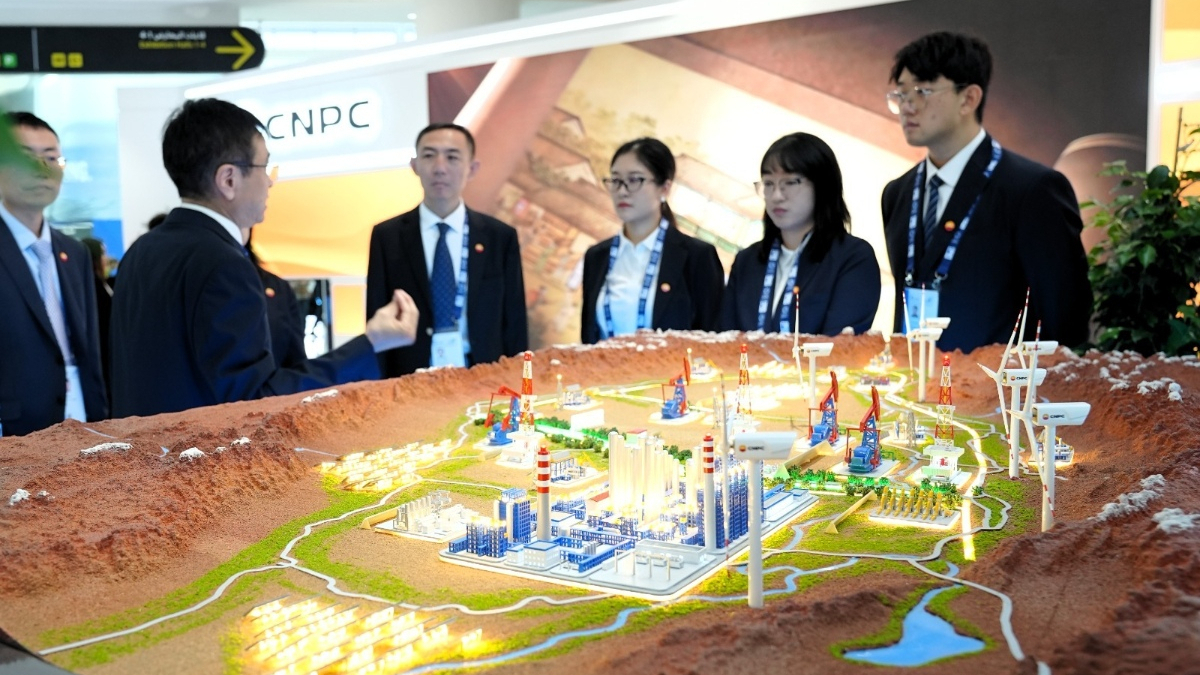
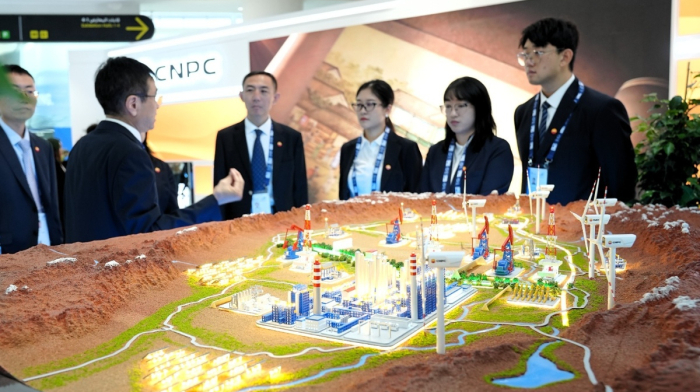
ADIPEC 2026 was the largest edition in the event’s history by exhibition space, bringing together 2,260 companies across 16 halls, 30 national pavilions and four specialised industry zones.
The venue was fully booked, with China, the U.S. and Italy accounting for the largest numbers of exhibitors.
Asian participation also reached a record high, with 353 exhibiting companies, a 12 per cent increase year on year.China, India, Japan, Malaysia, Singapore and South Korea were among the countries represented by national pavilions.
Azerbaijan’s SOCAR attracts industry interest
Azerbaijan's state oil company SOCAR drew considerable attention at ADIPEC 2026, with its exhibition stand attracting industry representatives, potential partners and international delegations throughout the four-day event.
Visitors explored the company’s operations, ongoing projects and future plans, while several businesses expressed interest in potential cooperation.
Among the high-profile visitors was ADNOC chief executive Sultan Al Jaber, who met the Azerbaijani delegation at the SOCAR stand. His visit further highlighted the company's presence at the international gathering.
For SOCAR, the exhibition provided an opportunity to strengthen its international profile, showcase its activities and engage directly with energy producers, service providers, investors and government representatives.
The event also offered a platform for exploring new partnerships and expanding business connections across global energy markets.
Major energy deals announced
The exhibition also saw several major commercial agreements, underlining continued investment in energy infrastructure and international projects.
XRG, ADNOC’s international investment arm, agreed a $1.5 billion deal to acquire Shell’s stake in Australia’s North West Shelf LNG project, strengthening its gas portfolio and ties with Asia-Pacific markets.
Meanwhile, TA’ZIZ secured financial close on 5.1 billion UAE dirhams for its Terminal and Ammonia projects in Ruwais, with both transactions oversubscribed.
Industry looks ahead to ADIPEC 2027
ADIPEC chairman Abdulmunim Saif Al Kindy said the event had highlighted the importance of energy resilience and intelligence as drivers of global stability and economic growth.
Christopher Hudson, president of organiser dmg events, said record exhibitor participation reflected the industry’s confidence and willingness to continue investing.
Media interest also increased, with nearly 1,000 journalists and content creators attending, up 14 per cent from 2025.
The discussions, partnerships and technology showcased at ADIPEC 2026 are expected to feed into upcoming international energy events, reinforcing the UAE’s position as a centre for industry dialogue, investment and innovation.
ADIPEC will return to Abu Dhabi from 1 to 4 November 2027.
Read more:













What is your opinion on this topic?
Leave the first comment