Finance leaders from the Group of Seven (G7) have indicated they are prepared to step in if needed, to shield the global economy from the fallout of the war involving Iran, as concerns grow over rising energy prices and supply disruptions.
They "reaffirmed the pressing need to move toward a lasting peace," according to a statement from France, which holds the G7 presidency this year.
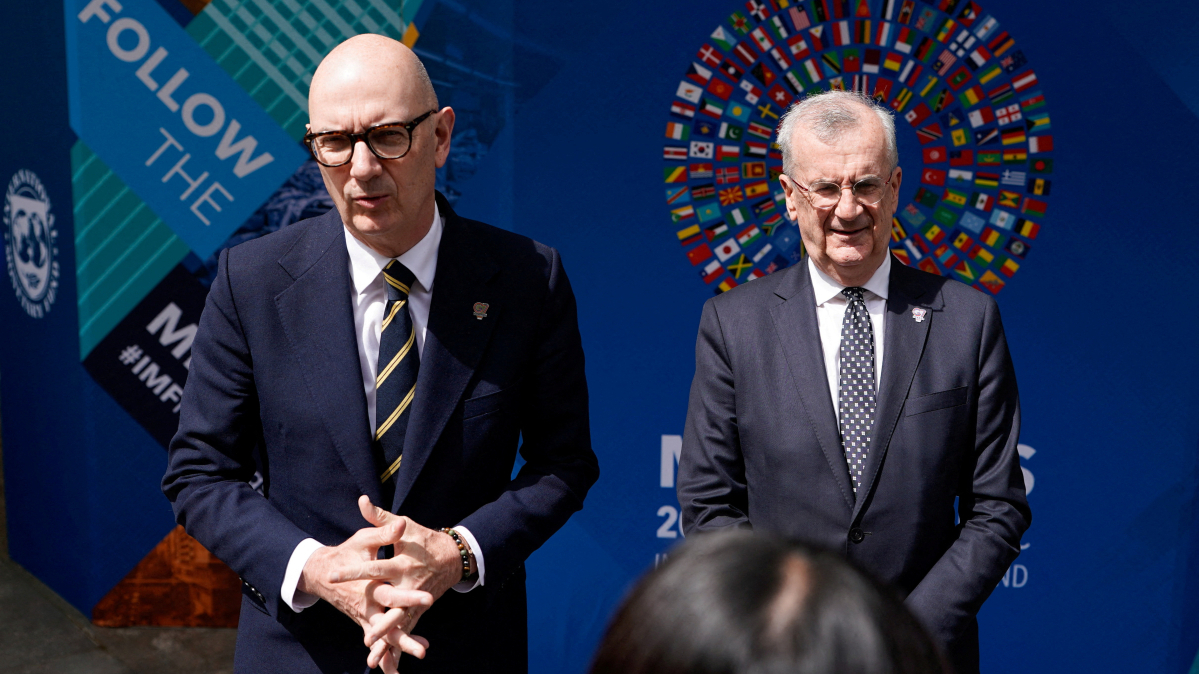
The war was the biggest of three key topics discussed by the finance ministers and central bank governors of the world's richest democracies on the sidelines of the spring meetings of the International Monetary Fund (IMF) and World Bank in Washington.
"The conclusion was unanimous: it is urgent to limit the cost to the global economy of an enduring conflict. G7 members reaffirmed the pressing need to move toward a lasting peace," the statement said.
French Finance Minister Roland Lescure said there was a “wide range of outcomes” for the global economy, depending largely on how quickly the conflict comes to an end.
Officials said they're watching closely rather than rushing into fresh intervention.
“We need to make sure that we understand where the balance of risks is tilting in the next few weeks,” Lescure said, reflecting a cautious but alert stance among the world’s leading economies.
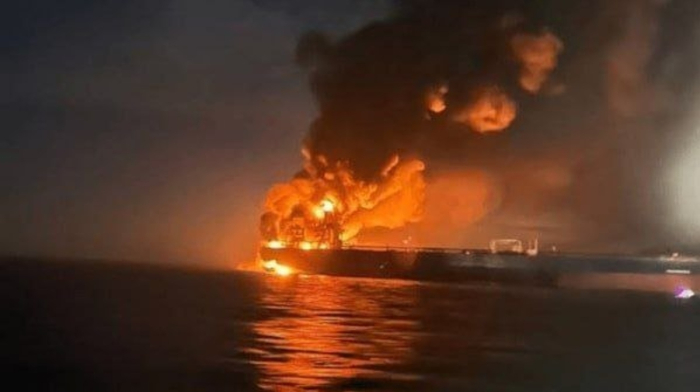
The group said it has already taken action once. Backed by G7 governments, the International Energy Agency (IEA) said it released a record volume of oil from strategic reserves last month to ease pressure after supply routes through the Strait of Hormuz were disrupted.
Lescure made clear that similar moves remain on the table. “We are meeting again in a month’s time in Paris and we want to make sure that we monitor the situation, we evaluate the impact and that if we need to act, as we did with releasing inventories a few weeks back, we will,” he said.
He also said it was important to ensure free transit for ships through the Strait of Hormuz, adding that G7 ministers agreed that vessels should not have to "pay one dollar" to Iran to pass through the international waterway.
Central banks are also on alert. François Villeroy de Galhau said policymakers are determined to prevent higher energy and commodity prices from feeding into broader, longer-lasting inflation.
“We will act, without hesitation, if and when necessary, but we are not in a rush mode. We need to have more data,” he said.
Concern over Ukraine
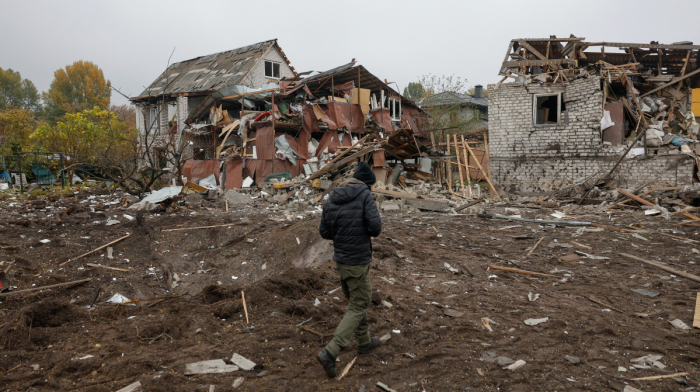
Meanwhile, Leaders reiterated their commitment to supporting Ukraine, with Lescure warning that the country must not be overlooked amid the focus on Iran.
“Ukraine should never be a collateral damage of the current war in Iran,” he said. “Russia mustn’t be getting benefits from what’s happening in Iran.”
The group also vowed to continue to aid Ukraine, including helping it prepare for next winter after a difficult winter this year with constant Russian attacks on Ukrainian energy infrastructure.
The French statement said the discussion focused on Ukraine's economic reforms under its $8 billion IMF programme, the need to keep up economic pressure on Russia, meeting Ukraine's energy needs, and actively contributing to the repair of the Chernobyl nuclear power plant's confinement arch.
Critical minerals
Meanwhile, efforts are also under way to reduce reliance on China for rare earths and other critical minerals.
G7 members are working on plans to build alternative supply chains, with proposals expected to be presented at a leaders’ summit in June in the French Alpine town of Evian-les-Bains.
France holds this year's presidency of the G7, which also includes the U.S., Canada, Japan, Britain, Germany and Italy.













What is your opinion on this topic?
Leave the first comment