Iran has raised the idea of charging ships to pass through the Strait of Hormuz, drawing sharp attention due to the waterway’s vital role in global energy supply and the legal questions involved.
What is the Strait of Hormuz?
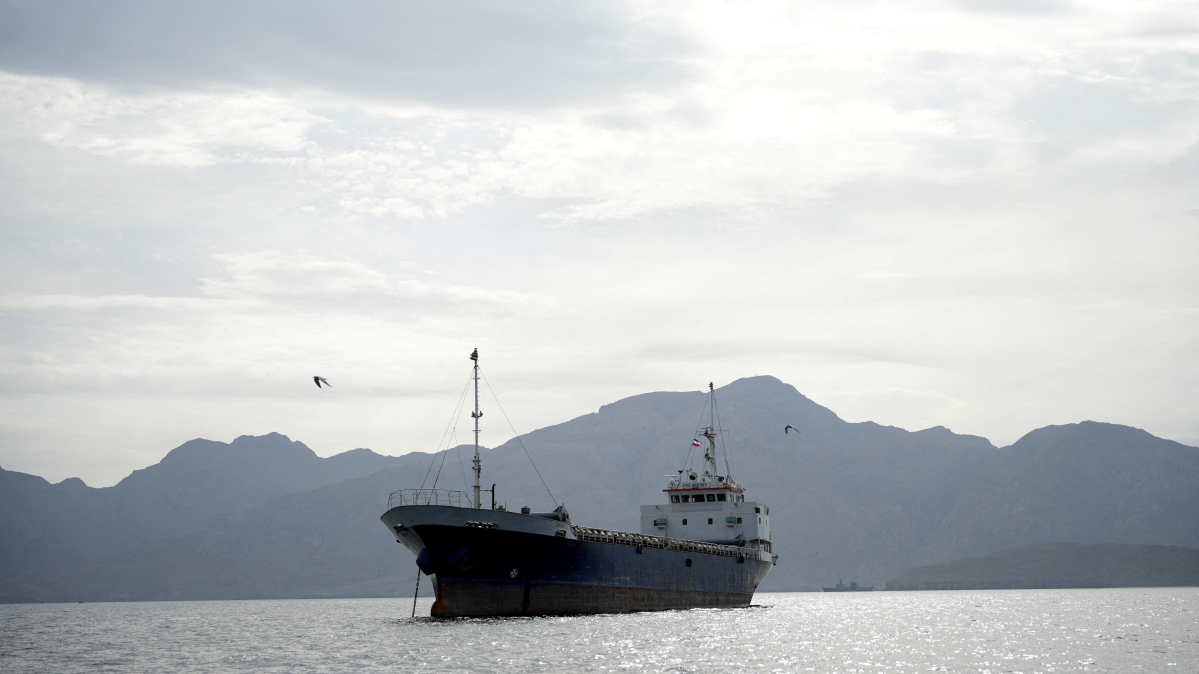
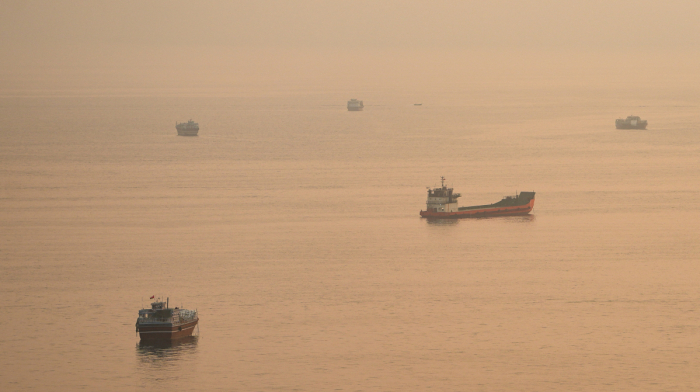
The Strait of Hormuz lies between Iran and Oman, linking the Gulf to the Gulf of Oman. It is a relatively short stretch of water, yet its importance is immense. Roughly a fifth of the world’s oil supply passes through this route each day.
At its narrowest point, the shipping lanes are only a few miles wide, leaving little room for error or disruption. Any restriction can quickly send shockwaves through global energy markets.
Recent conflict in the region has made the situation more fragile. Iran is reported to have tightened control over the strait and has linked the idea of tolls to broader political demands. It remains unclear whether any fees have already been collected.
What is Iran proposing?
Iran has suggested that ships should pay a fee to pass safely through the strait. The plan would involve the Islamic Revolutionary Guard Corps, which plays a key role in securing the area.
Tehran has linked the proposal to wider tensions in the region and has indicated that such payments could be tied to easing the current conflict.
It is not yet clear whether any tolls have been introduced.
What does international law say?
Rules governing the strait largely stem from the United Nations Convention on the Law of the Sea, agreed in 1982. The treaty sets out that ships have a right to pass through key waterways such as the Strait of Hormuz without interference, under what is known as transit passage.
Countries bordering such straits can regulate activity within their waters, but they must still allow what is called innocent passage. This means ships can move freely as long as they do not threaten security or breach regulations, such as by carrying out military acts or causing pollution.
Around 170 countries have signed the treaty, along with the European Union. Iran and the U.S. have not formally joined it. Even so, many legal experts say its principles are widely recognised as part of customary international law.
Iran has argued in the past that it is not bound by some of these rules. The U.S. rejects that view and disputes any right for Iran to impose charges on passing ships.
Limited ways to challenge tolls
Even if tolls are introduced, stopping them would not be straightforward. Bodies such as the International Tribunal for the Law of the Sea and the International Court of Justice can issue legal opinions, but they do not have the power to enforce decisions directly.
In practice, any challenge is likely to be political or economic rather than purely legal. Countries could form coalitions to oppose the move or push for action at the United Nations Security Council.
Shipping firms are already weighing their options. Some have begun diverting routes, even though alternatives are longer and more costly. Governments may also consider tightening sanctions, especially against companies that agree to pay any fees.
A test for global shipping rules
The dispute over the Strait of Hormuz is more than a regional issue. It touches on the fundamental rules that keep global trade moving.
If tolls were widely accepted, it could set a precedent for other strategic waterways. If they are resisted, tensions in an already volatile region could deepen further.
For now, the issue remains unresolved, with legal arguments, political pressure and economic realities pulling in different directions.


















What is your opinion on this topic?
Leave the first comment