Türkiye’s foreign minister has appealed for restraint and diplomacy as tensions around the Strait of Hormuz unsettle global markets, warning that any military attempt to resolve the crisis could deepen instability rather than ease it.
Speaking in Ankara, Hakan Fidan struck a measured but urgent tone, calling for the strategic waterway to be reopened “as soon as possible” through peaceful means.
His comments come at a time when concerns are growing over the impact of disruptions to one of the world’s most critical shipping routes.
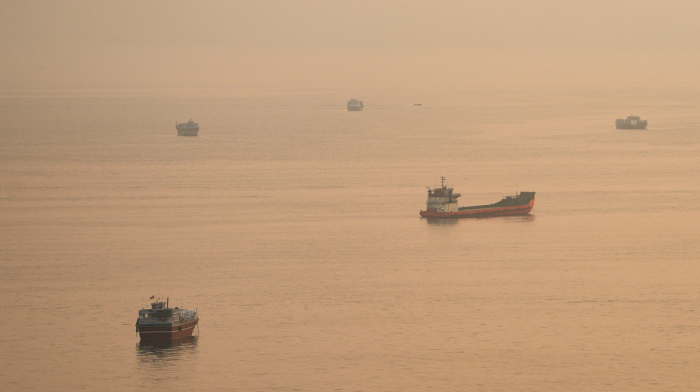
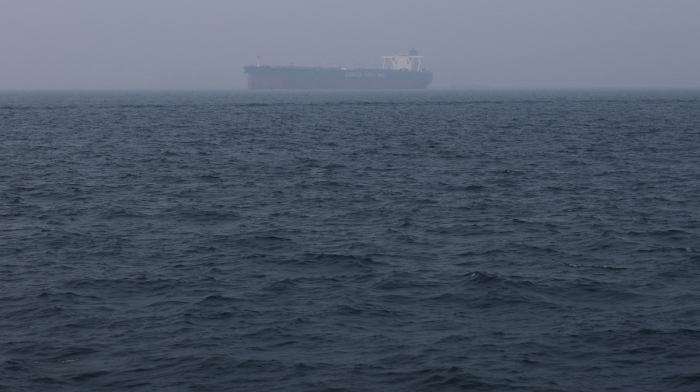
The Strait of Hormuz, a narrow passage connecting the Persian Gulf to the open ocean, carries roughly a fifth of the world’s oil supplies. Even minor interruptions can ripple across energy markets, pushing up prices and placing pressure on industries far beyond the region.
Fidan cautioned that talk of military intervention - widely discussed in international circles - risks drawing countries into a broader conflict, particularly with Iran.
“No country wants to be part of such a war,” he said, reflecting a sentiment he suggested is shared across Europe.
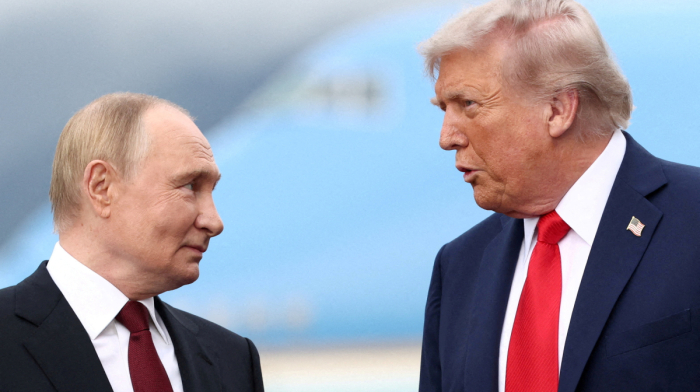
His remarks appear to push back, at least in tone, against proposals reportedly backed by Donald Trump to establish an international force to secure shipping through the strait.
While acknowledging the urgency of keeping trade routes open, Fidan warned that enforcing access through military means would be “fraught with difficulties” and unlikely to deliver lasting stability.
Outside direct conflict
Instead, Türkiye is positioning itself as a supporter of diplomatic engagement. Fidan emphasised that Ankara wants to remain outside any direct conflict while still playing a constructive role in easing tensions.
On the same day, he held separate calls with officials in Russia and Saudi Arabia - two key regional players - signalling a quiet effort to build consensus behind a negotiated solution.
Although Türkiye does not rely heavily on the strait for its own energy imports, it is far from insulated. Global oil price swings, driven by uncertainty in the Gulf, could still have a knock-on effect on the country’s economy, from fuel costs to industrial production.
Beyond oil, the disruption is already raising concerns in petrochemicals and manufacturing supply chains, sectors that depend on steady flows through the Gulf.
Analysts warn that prolonged instability could feed into inflation and slow economic activity worldwide.
For now, Fidan’s message is clear: reopening the Strait of Hormuz is essential - but how it is done matters just as much as when. In a region long shaped by conflict, Türkiye is urging the world to choose diplomacy over force before the situation escalates further.











What is your opinion on this topic?
Leave the first comment