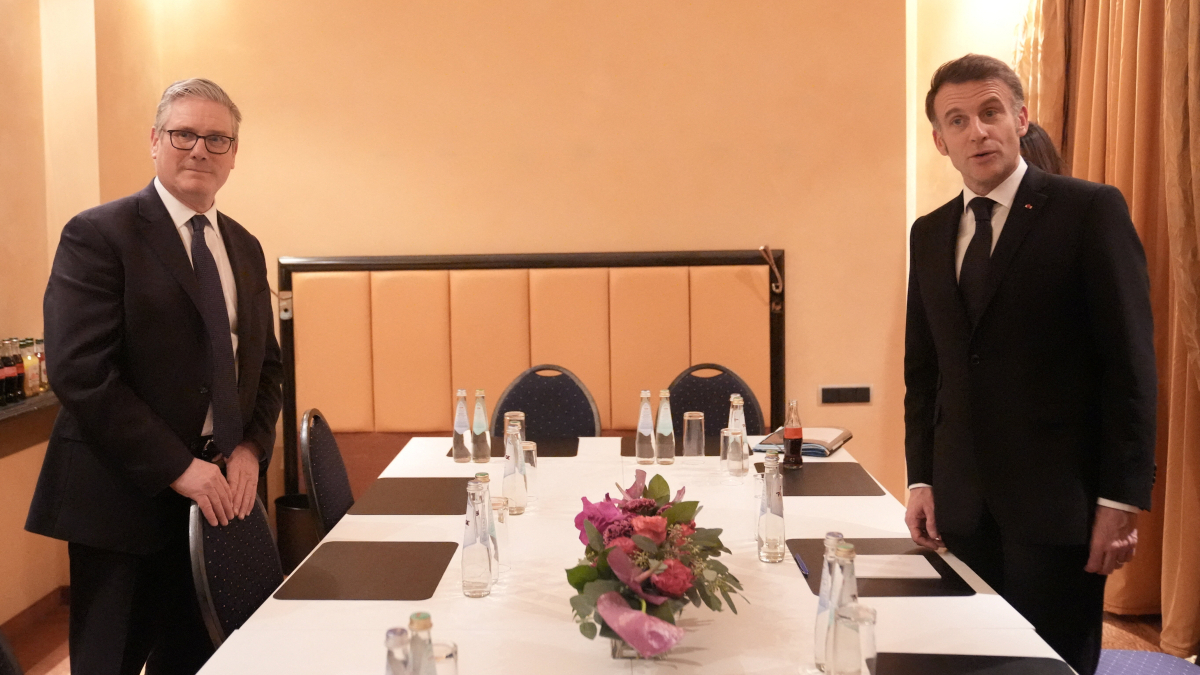
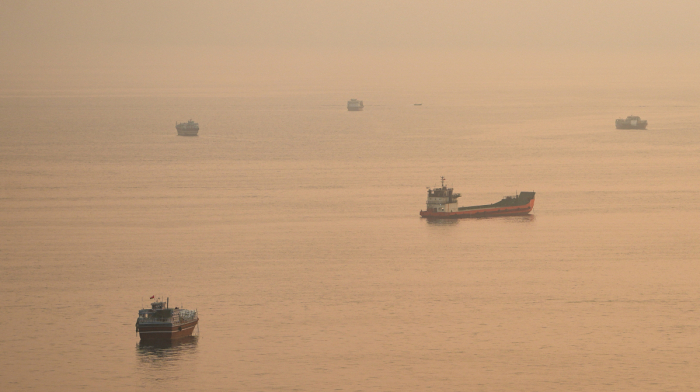
Britain and France will co-host virtual talks on Friday (17 April) to ease tensions and restore safe passage through the Strait of Hormuz, one of the world’s most critical shipping routes.
The discussions, led in part by Emmanuel Macron, aim to bring together a group of countries willing to support what officials describe as a peaceful multinational effort.
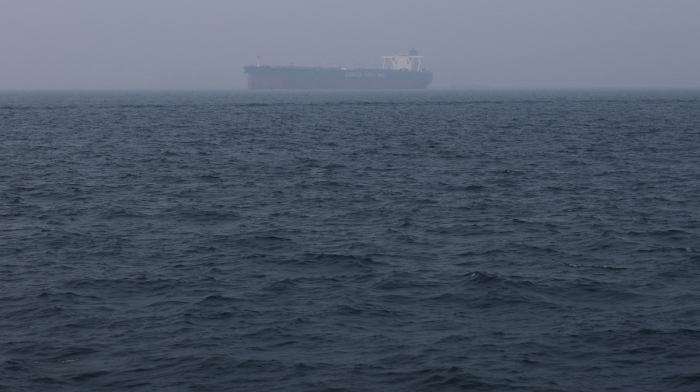
At the centre of the proposal is a strictly defensive naval mission to protect commercial vessels moving through the narrow waterway.
The Strait of Hormuz carries roughly a fifth of global oil consumption, making any disruption a serious concern for international markets.
Rising tensions in the Gulf
Tensions in the Gulf have escalated sharply after the U.S. announced plans to impose a blockade on maritime traffic linked to Iranian ports. In response, Iran has effectively closed access to the strait, raising fears of a wider confrontation.
Middle East analyst Dorothée Schmid said any effort to reopen the route would require careful coordination with Tehran to avoid further escalation.
She warned that the talks were unlikely to deliver immediate results, describing the current situation as a standoff, with neither side fully able to enforce a complete blockade.
“Everyone is watching which ships manage to pass through,” she said, noting that while Iran has not imposed a total closure, the U.S. also lacks the capacity to completely seal the entrance.
Neutral positioning and working groups
Schmid also pointed out that the absence of the U.S. from the planned talks suggests participating countries are trying to position themselves as neutral actors, distancing the initiative from the broader conflict.
According to sources familiar with the discussions, the talks will be structured around four main working groups:
- Maintaining freedom of navigation and maritime security
- Considering economic measures if the strait remains closed
- Securing the release of detained seafarers and stranded vessels
- Working with industry to prepare for the safe resumption of shipping
A second diplomatic source confirmed the same priorities, underlining the urgency of restoring stability in a region vital to global trade.












What is your opinion on this topic?
Leave the first comment