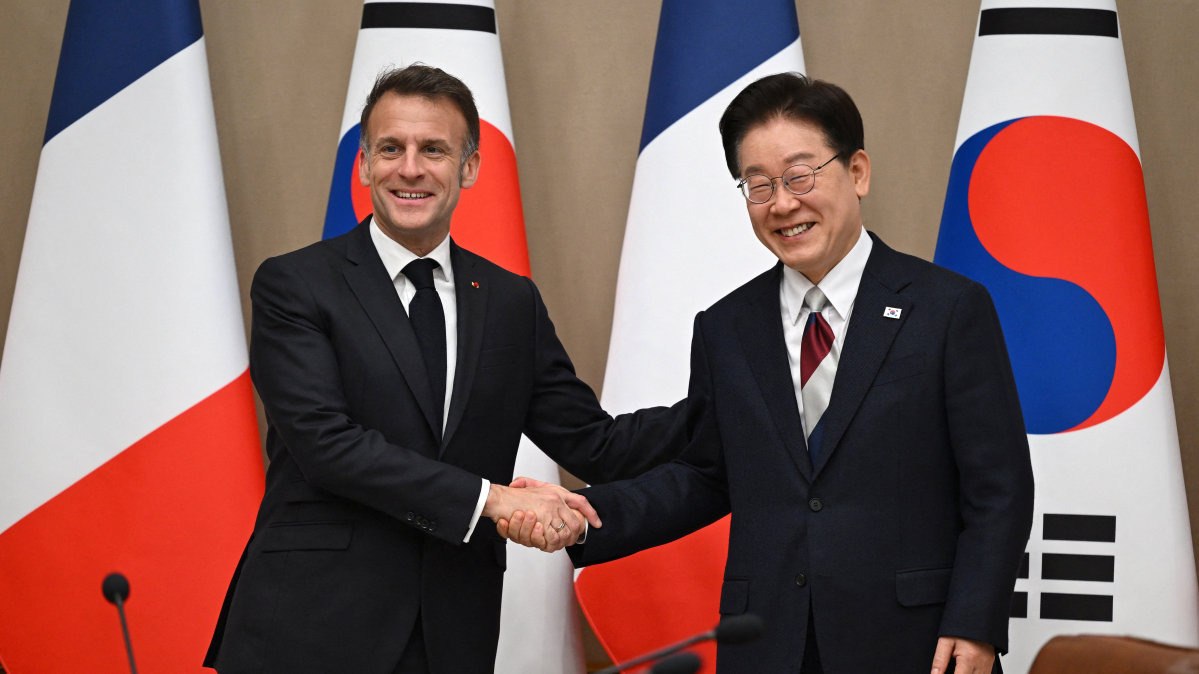
France and South Korea have agreed to strengthen defence ties and energy security cooperation following a two-day visit by French President Emmanuel Macron to Seoul.
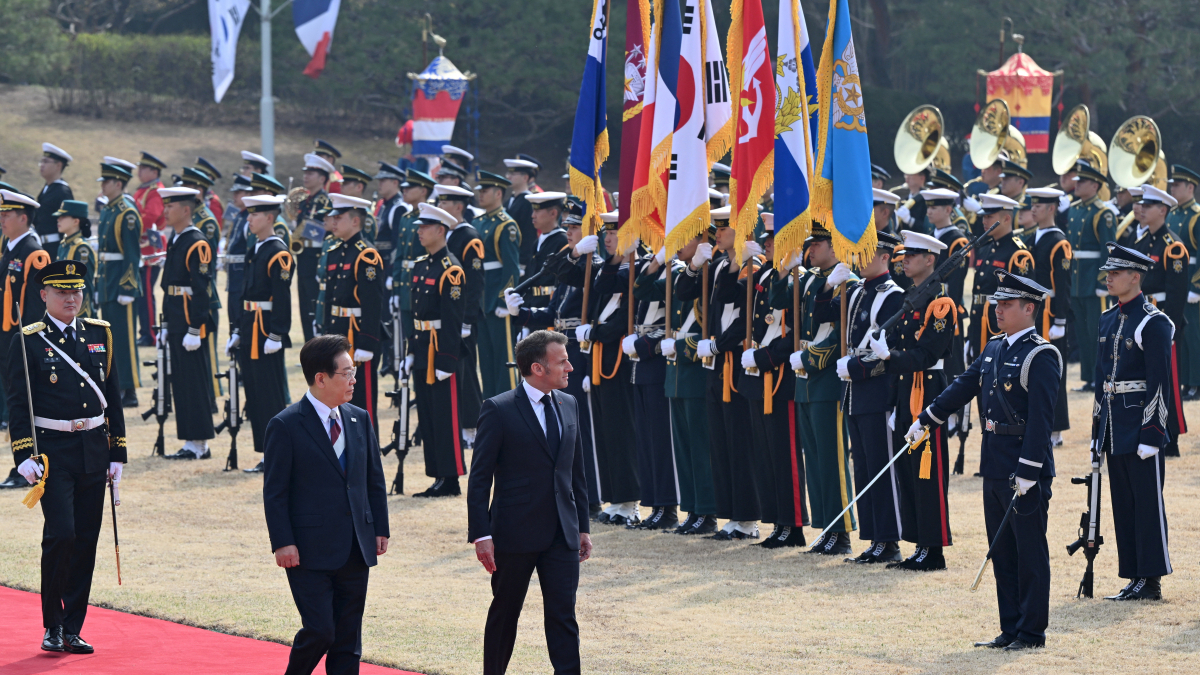
Macron’s state visit - the first by a French president in more than a decade - comes as both countries confront defence and energy security challenges linked to the Iran war.
Leaders discuss response to Middle East conflict
South Korean President Lee Jae Myung said the two leaders discussed ways to address challenges triggered by the conflict.
“President Macron and I agreed to share policy-related experience and strategies in order to jointly address the economic and energy crises caused by the Middle East war,” Lee said after the summit on Friday (3 April).
He added that both countries had committed to ensuring safe maritime transport through the Strait of Hormuz.
Macron said France and South Korea - both major arms producers - would deepen cooperation in military production and conduct joint exercises.
"On both sides, we want to equip ourselves with greater strategic depth in military production,” he said.
Lee added that cooperation would also expand in security-related sectors, including aerospace and defence.
Agreements on technology and energy sectors
The two countries are expected to sign preliminary agreements covering sectors such as critical minerals, semiconductors, quantum technologies, nuclear energy and wind power, according to Lee’s office.
They aim to increase bilateral trade from $15 billion in 2025 to $20 billion by 2030.
Lee highlighted a memorandum of understanding between South Korea’s state-run nuclear operator, Korea Hydro & Nuclear Power, and French companies Orano and Framatome.
He said the agreement would help secure fuel supplies for South Korean nuclear plants and support joint entry into the global nuclear market.
Like many Asian economies, South Korea relies heavily on energy imports, including shipments through the Strait of Hormuz.
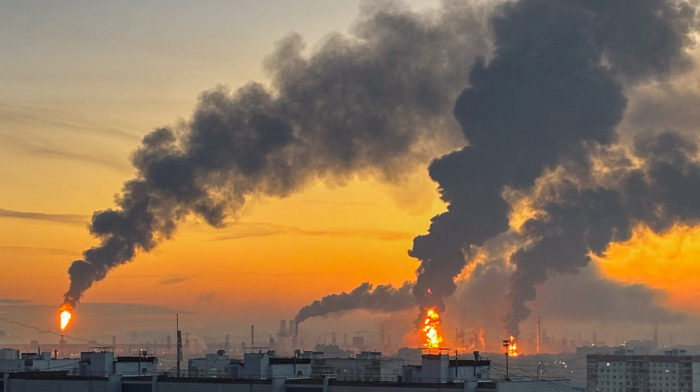
Iran has effectively closed the waterway in retaliation for U.S.-Israeli attacks that began on 28 February, pushing up global energy prices.
Macron said on Thursday it would be unrealistic to launch a military operation to reopen the strait, after U.S. President Donald Trump urged allies to work towards restoring access.
Macron’s visit to South Korea followed a trip to Japan on Wednesday, where he and Japanese Prime Minister Sanae Takaichi agreed to coordinate closely on efforts to reopen the Strait of Hormuz.











What is your opinion on this topic?
Leave the first comment