Iran is “essentially… no longer a threat,” U.S. President Donald Trump said on Wednesday (1 April), signalling what he described as the final phase of the war with Iran. In a televised address from the White House, Trump stated the U.S.-led campaign "Operation Epic Fury" was nearing completion.
“We are going to hit them extremely hard over the next two to three weeks,” Trump stated, while also suggesting diplomatic discussions were ongoing.
Campaign success
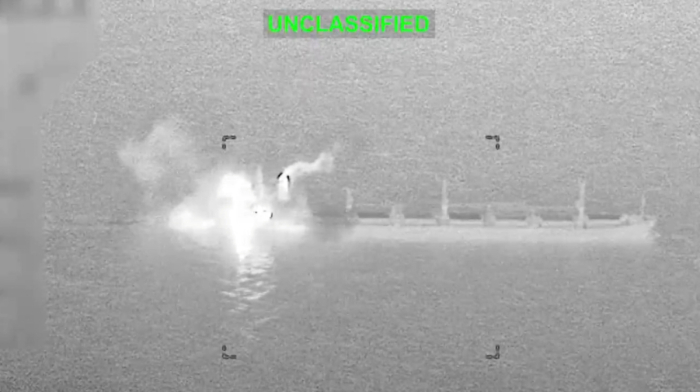
In his address, the U.S. President portrayed the campaign as an overwhelming success, claiming Iran’s navy had been “completely destroyed”, its air force left “in ruins”, and its missile and drone capabilities significantly degraded.
He also said leadership structures within the Islamic Revolutionary Guard Corps (IRGC) had been largely dismantled.
“Never in the history of warfare has an enemy suffered such clear and devastating losses in a matter of weeks,” President Trump said.
The U.S. president framed the operation as necessary to prevent Iran from acquiring nuclear weapons, reiterating longstanding accusations against Tehran over its regional activities and support for proxy groups.
He argued that allowing Iran to develop nuclear capabilities would pose an “intolerable threat” to global security.
President Trump indicated that Washington was not explicitly pursuing regime change, although he acknowledged that Iran’s leadership had effectively been transformed following the deaths of senior figures.
He warned, however, that further strikes remained on the table if negotiations failed, including potential attacks on Iran’s energy infrastructure and power grid, targets he said had so far been deliberately avoided.
Energy insecurity
The president also sought to reassure Americans over rising fuel prices, blaming recent increases on Iranian attacks on commercial shipping and regional instability. He insisted the U.S. economy remained strong enough to withstand short-term disruptions.
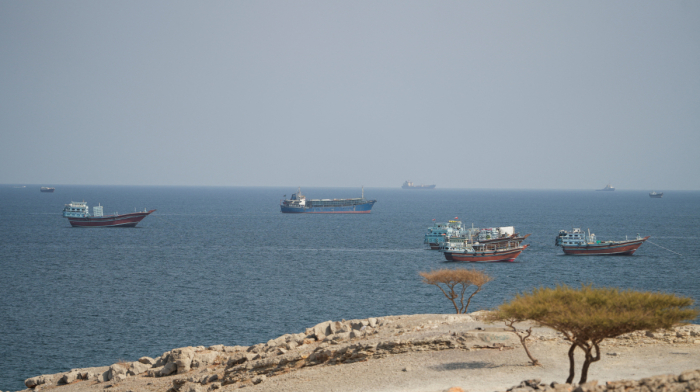
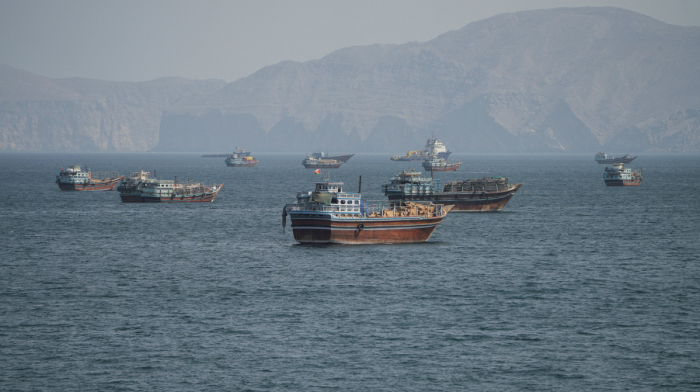
Trump added that the United States was largely insulated from energy shocks due to domestic production, urging other countries dependent on oil flows through the Strait of Hormuz to take greater responsibility for securing the vital route.
Trump stressed that military operations would continue until all objectives were achieved.
“We are on the cusp of ending Iran’s threat to America and the world,” he said.
The remarks come as global oil and stock markets reacted negatively to the speech, reflecting continued uncertainty over the trajectory of the conflict and its economic fallout.
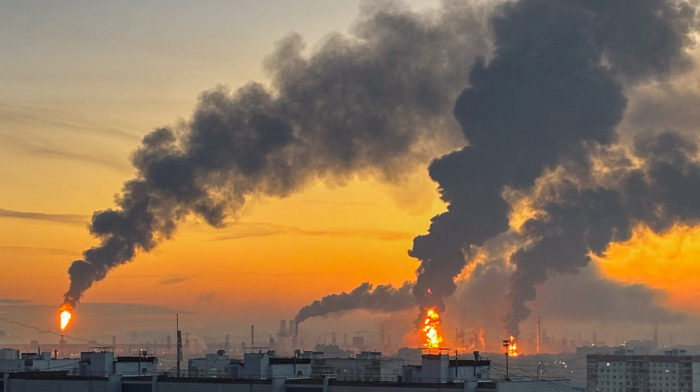
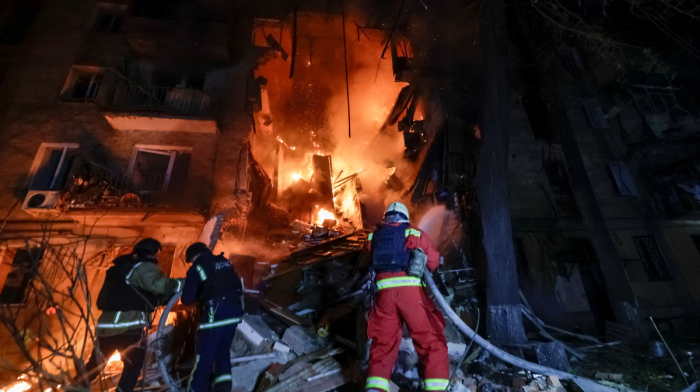
The United States and Israel launched military operations against Iran on 28 February, targeting key military and nuclear infrastructure.
Early strikes reportedly included one that killed Iran’s supreme leader, Ayatollah Ali Khamenei.









What is your opinion on this topic?
Leave the first comment