Ukraine has stepped up attacks on Russian energy facilities in recent months, amid stalled progress in peace negotiations. The strikes have targeted refineries, processing plants, pipelines and export infrastructure, causing repeated disruptions across Russia’s energy sector.
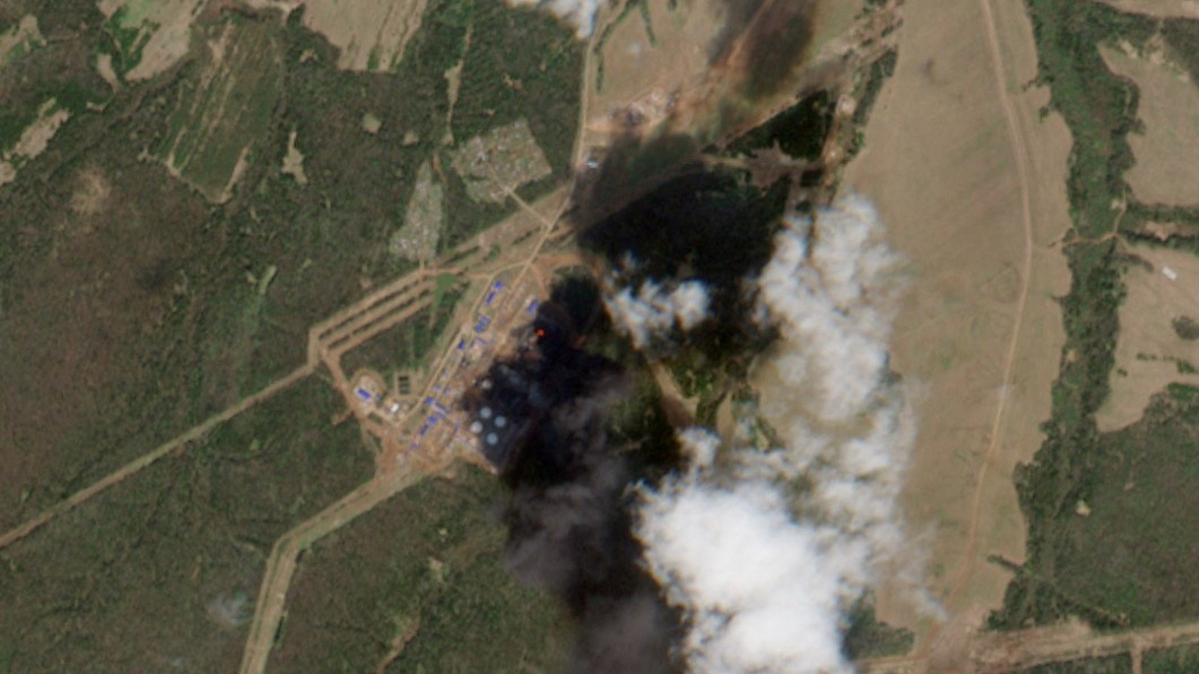
In Russia’s Perm region, the Perm oil refinery was forced to fully suspend operations after a Ukrainian drone strike on 7 May triggered a fire and damaged equipment. The facility processes around 250,000 barrels of oil per day and produces a wide range of refined products, including gasoline and diesel.
In the southern Astrakhan region, debris from a drone attack sparked a fire at a gas processing plant near the Caspian Sea. The plant has significant annual capacity for natural gas processing as well as production of fuels such as gasoline, diesel and liquefied petroleum gas.
A separate incident affected a pipeline system unit in Bashkortostan, where emergency services responded to a fire linked to a technical issue reported during the same period.
Black Sea and southern refinery disruptions
The Tuapse oil refinery on the Black Sea coast was hit by a drone strike on 28 April, causing a major fire and halting operations. Earlier reports indicated the facility had already suspended refining after an attack in mid-April. The refinery, which is heavily export-oriented, produces products including diesel, naphtha and fuel oil.
Rosneft-operated facilities have also been affected. The Syzran refinery suspended processing after equipment was damaged in April, while the Novokuibyshevsk refinery halted primary oil processing following a similar strike. Both facilities produce millions of tonnes of refined products annually, including gasoline and diesel.
The Novokuibyshevsk plant had processed over five million tonnes of crude oil in 2024 before the disruption.
Large-scale shutdowns in western Russia
One of the most significant disruptions occurred at the NORSI refinery, Russia’s fourth-largest, which was forced to suspend operations in early April following drone attacks. The facility is a major producer of gasoline and has a capacity of around 320,000 barrels per day.
The Kirishi refinery also halted production after fires triggered by drone strikes at the end of March. Sources say partial recovery may restore around 60% of capacity, though full operations remain uncertain.
At the Saratov refinery, a crude distillation unit has remained offline since a March attack. The facility accounts for a notable share of Russia’s overall refining output.
Gas and condensate facilities targeted
The Ust-Luga gas condensate complex, operated by Novatek Novatek, suspended processing and export loading after drone strikes caused a fire. The site refines gas condensate into products such as naphtha, jet fuel and gasoil.
In addition, the Ufa refinery, located more than 1,400 kilometres from the Ukrainian border, was struck by Ukrainian forces, according to military statements. It has a capacity of more than seven million tonnes of oil per year.
Fires and damage across other refineries
Further attacks have caused fires or temporary shutdowns at several other facilities, including the Ilsky refinery in southern Russia, the Volgograd refinery owned by Lukoil, the Ukhta refinery in the north, and the Afipsky refinery.
These incidents have led to repeated interruptions in refining activity, with some units shut for extended periods while damage is assessed and repairs are carried out.
Strikes on export infrastructure and ports
Ukraine has also targeted key Russian export routes, including Baltic and Black Sea ports. Drones struck facilities at Primorsk port, damaging oil pipelines and storage infrastructure, while also affecting tankers and naval vessels.
Additional attacks have hit oil-pumping stations feeding major export terminals, including facilities linked to Transneft infrastructure in the Baltic region. Fires were also reported at the Sheskharis oil terminal.
Kazakhstan has said crude exports via the Caspian Pipeline Consortium route remained stable despite reported attacks. However, infrastructure damage at Primorsk has raised concerns, with reports suggesting significant reductions in storage capacity following repeated strikes.
Wider impact on Russian oil output
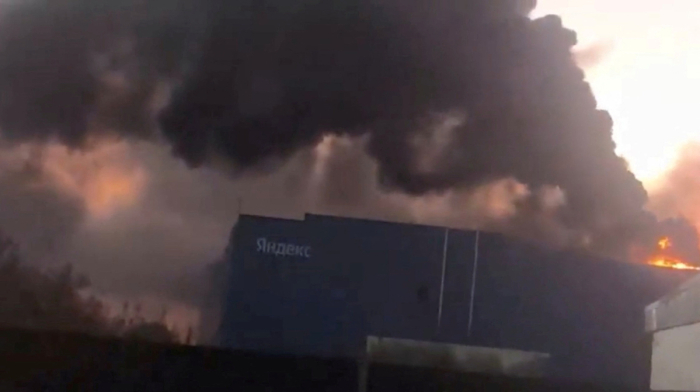
Across multiple regions, refinery outages, fires and temporary shutdowns have disrupted production of gasoline, diesel and other refined products. While some facilities are expected to partially restart operations, others remain offline or are operating at reduced capacity.
The cumulative impact of the strikes has increased pressure on Russia’s refining network and export logistics, with repeated disruptions affecting both domestic supply chains and international shipments.
Read more:





















What is your opinion on this topic?
Leave the first comment