Georgian and American law enforcement agencies have dismantled two criminal groups that charged hundreds of Georgians to build fabricated asylum cases for entry into the United States. The arrests came on the same day Washington signalled it was ready to reset relations with Tbilisi.
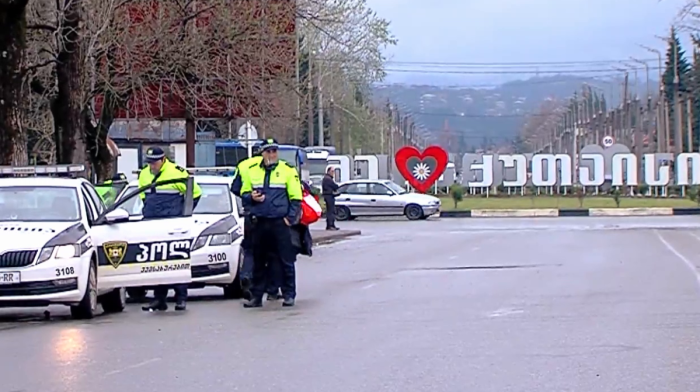
Georgian prosecutors announced on 2 June the arrest of several members of two organised criminal groups accused of running a scheme to help Georgian citizens enter the United States illegally by constructing fake asylum cases from scratch.
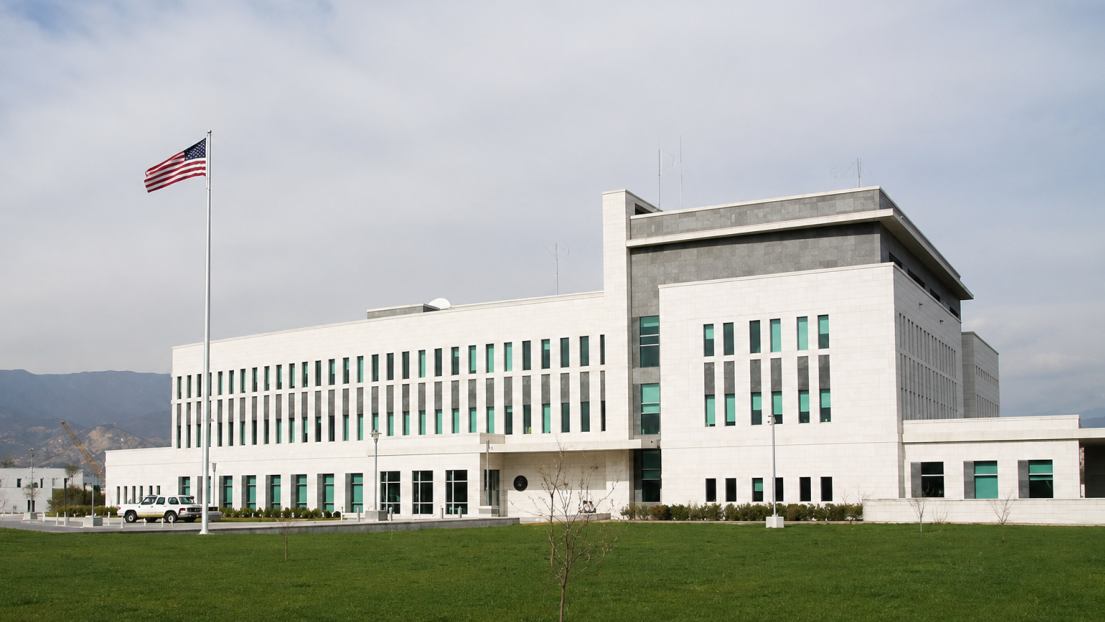
The operation was carried out jointly by the Prosecutor's Office of Georgia and the Regional Security Office at the U.S. Embassy in Tbilisi. According to Tbilisi Prosecutor Giorgi Mikaia, the scheme was straightforward and cynical.
Four Georgian citizens allegedly identified people seeking to travel to the United States, promised to create personal narratives and supporting evidence for asylum applications, and offered to guide clients through court proceedings - all for a fee.
Prosecutors say the group operated amid tightening U.S. immigration policies, which fuelled demand among Georgians looking for a route into the country. By the time investigators intervened, 366 Georgian citizens had already approached the network.
A months-long joint investigation
The operation did not happen overnight. The two sides had been working together for several months before making any arrests, according to the U.S. Embassy, which welcomed the announcement and thanked Georgia's Prosecutor's Office for its role in the investigation.
"This is the result of several months of close cooperation between US and Georgian law enforcement agencies," the embassy said in a statement, adding that it was grateful to the Georgian law enforcement officers involved.
It is a fairly routine description of how such operations are conducted. What made this case stand out was not the investigation itself, but the day on which it was announced.
The timing is hard to ignore
2 June was not a quiet day for Georgian-American relations. On the same day, the U.S. Embassy published a separate statement outlining the outcome of a high-level diplomatic delegation's visit to Tbilisi the previous week, during which Washington signalled its readiness for a new phase in relations with Georgia, based on trade, security cooperation and, notably, mutual respect.
Prime Minister Irakli Kobakhidze was quick to draw a connection. He described the fraud bust as "a very good example of how we can successfully cooperate on specific legal issues" and said Georgia was "fully prepared to further develop this type of cooperation in the future."
That framing did not emerge in isolation. Earlier that day, the U.S. Embassy had released a statement setting out conditions for deeper cooperation with Georgia, including expanded trade, investment and security ties. The statement was detailed and pointed, and Kobakhidze had already responded publicly, saying Georgia was ready to reset relations from a clean slate based on mutual respect and fairness.
When the fraud operation was announced hours later, it fitted neatly into that narrative. Kobakhidze did not miss the opportunity. The arrests became his answer to the question of what Georgian-American cooperation looks like in practice.














What is your opinion on this topic?
Leave the first comment