In recent years, Abu Dhabi has emerged as a venue for high-stakes diplomacy, hosting sensitive talks on conflicts ranging from Ukraine-Russia to Armenia-Azerbaijan, as the United Arab Emirates positions itself as a neutral platform amid deepening global divisions.
Analysts say the UAE’s growing mediation role is rooted in a combination of strategic neutrality, high state capacity and an ability to maintain working relations with rival powers simultaneously.
Over the past two decades, Emirati leaders have deliberately pursued a foreign policy that avoids rigid alignment with political blocs, instead framing the country as a global entrepôt open to all sides.
Unlike traditional diplomatic hubs in Europe or Washington, Abu Dhabi operates outside formal military blocs and the Euro-Atlantic political framework, allowing adversaries to engage without appearing to negotiate on an opponent’s turf.
This posture is reinforced by the UAE’s close security partnership with the United States, alongside expanding strategic ties with China and sustained dialogue with Russia.
Neutral platform in a fragmented world
The UAE’s rise as a diplomatic broker reflects broader shifts in the global order. As competition between major powers intensifies, traditional mediation channels have become increasingly politicised, creating space for middle powers with economic strength, diplomatic flexibility and strategic autonomy.
Despite its small population, the UAE has invested heavily in connectivity, security and diplomatic outreach. Abu Dhabi and Dubai serve as key nodes linking Europe, Asia and Africa, while the country maintains close ties with Western partners alongside expanding relations with Russia, China, India and other emerging powers.
The 2020 Abraham Accords, which normalised relations between the UAE and Israel, further strengthened Abu Dhabi’s credentials as a bridge-builder across entrenched divides.
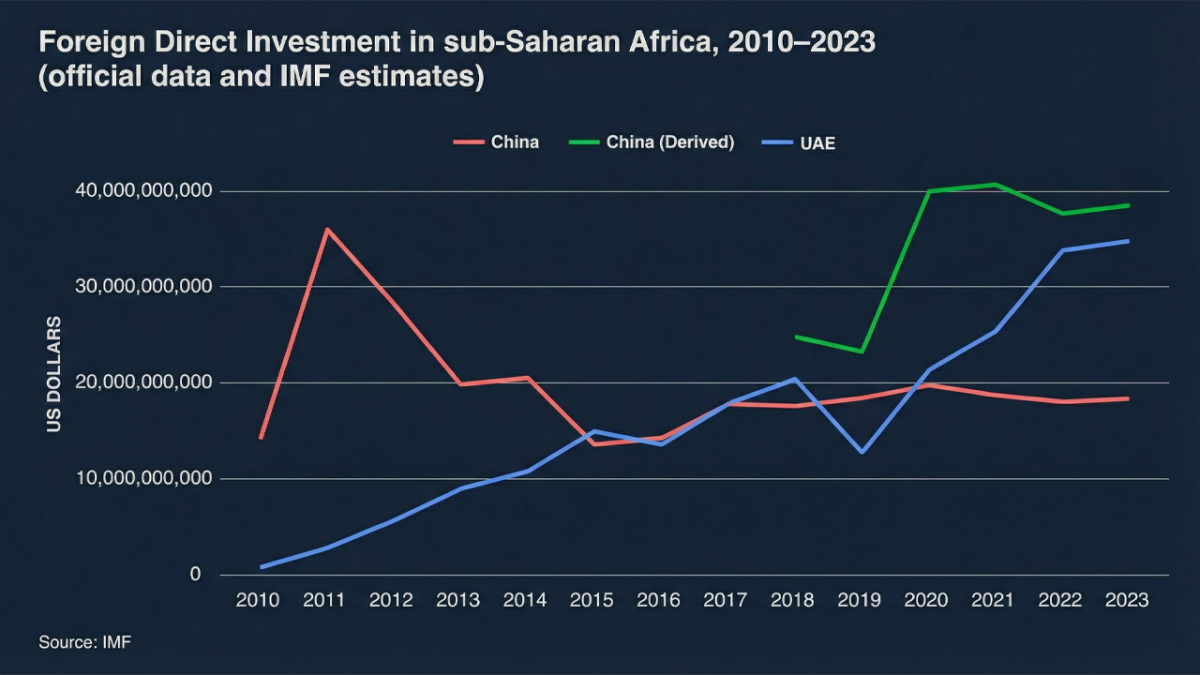
The UAE’s strategic investments in ports, logistics and infrastructure across Africa, South Asia and the Mediterranean have extended this role beyond diplomacy.
International Monetary Fund
These investments deepen economic interdependence, strengthen political ties and embed the UAE within emerging trade corridors, illustrating how middle powers increasingly derive influence by shaping economic ecosystems rather than dominating them.
Ukraine-Russia
Against this backdrop, Abu Dhabi is hosting multiple rounds of U.S.-brokered talks between Ukrainian and Russian representatives, including a second round this week.
While expectations for breakthroughs remain low, diplomats say the UAE provides one of the few environments acceptable to all sides for sustaining dialogue.
Emirati officials have pointed to their role in facilitating multiple Russia–Ukraine prisoner exchanges since 2022 as evidence that quiet diplomacy can still deliver practical results, even when broader negotiations stall.
Rather than producing immediate results, analysts say the Abu Dhabi format is serving a different purpose: managing pressure, maintaining communication channels and preventing diplomatic collapse at a time when trust is minimal.
Azerbaijan–Armenia
The UAE’s mediation role extends beyond hosting talks, with Abu Dhabi increasingly positioning itself as a neutral platform for post-conflict diplomacy in the South Caucasus.
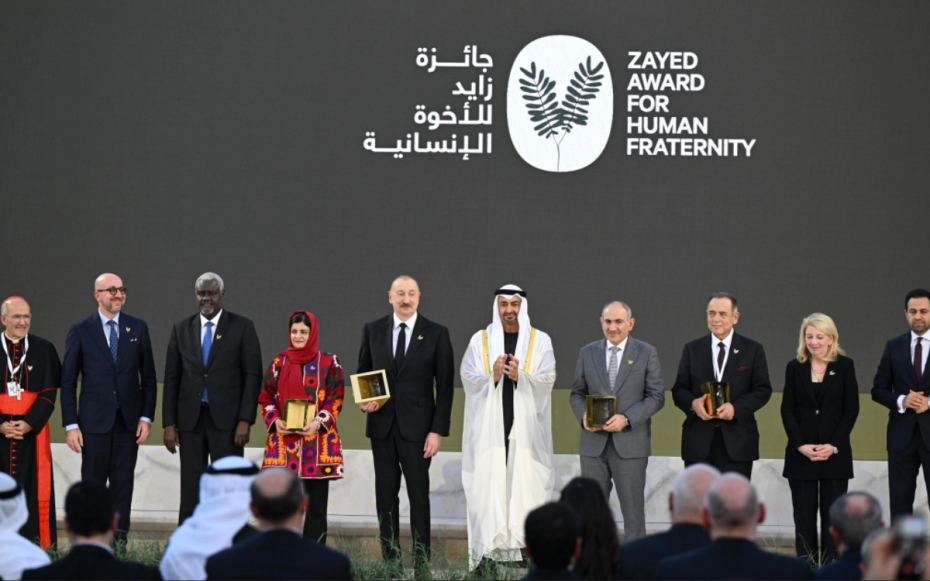
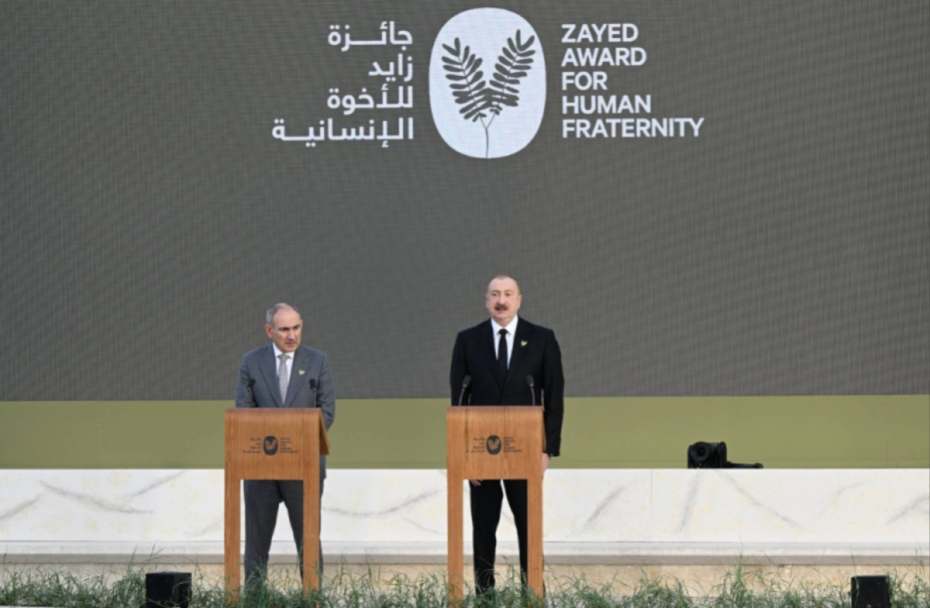
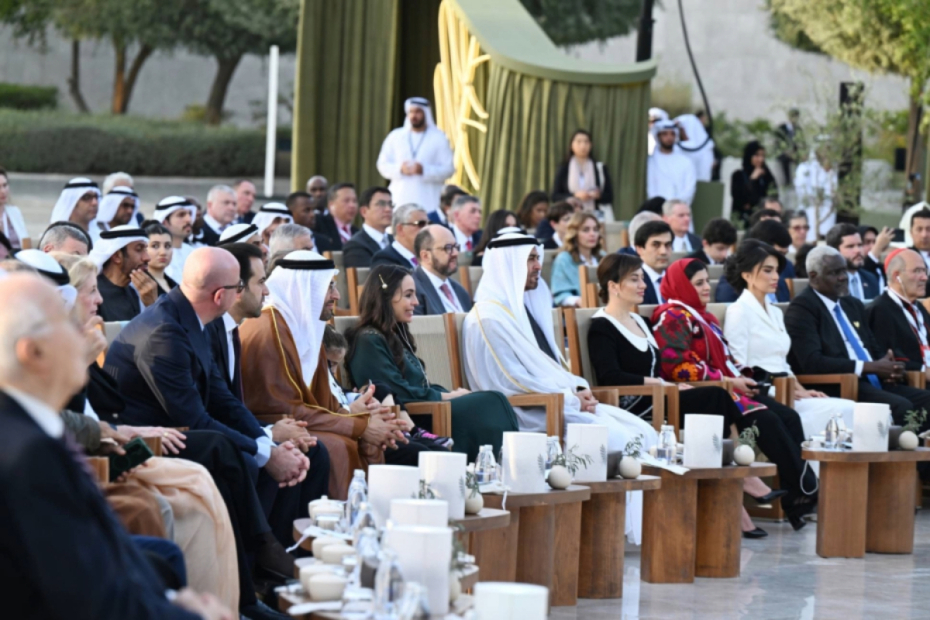
On 4 February, Azerbaijani President Ilham Aliyev and Armenian Prime Minister Nikol Pashinyan met in Abu Dhabi on the sidelines of the Zayed Award for Human Fraternity ceremony.
According to official readouts, the leaders welcomed progress following the Washington Peace Summit hosted by U.S. President Donald Trump and stressed the importance of maintaining momentum in the bilateral normalisation process.
UAE officials framed the engagement as part of a broader strategy of quiet mediation rather than high-profile intervention.
Anwar Gargash, diplomatic adviser to the UAE president, described the meeting as “a positive step toward lasting peace,” saying Abu Dhabi’s approach prioritises bridge-building, economic cooperation and long-term regional stability.
Iran and indirect diplomacy
Beyond formal negotiations, Abu Dhabi, alongside Oman has increasingly functioned as a discreet channel for indirect diplomacy involving Iran and Western powers, particularly when direct engagement is politically sensitive.
Iranian officials have publicly acknowledged the role of “friendly countries” in facilitating dialogue.
“The location and date of negotiations should not be a tool for media games,” Iranian Foreign Ministry spokesman Esmaeil Baghaei said on Tuesday (3 February), thanking regional partners for helping create conditions for diplomacy.
Dialogue in a divided world
According to analysts, Abu Dhabi is positioning itself as a diplomatic “safe space” for dialogue rather than seeking quick solutions to deeply entrenched conflicts.
In an increasingly fragmented international system, the UAE’s ability to act as a connector rather than a power broker is becoming one of its most valuable assets, and a key reason why Abu Dhabi keeps appearing at the centre of global diplomacy.
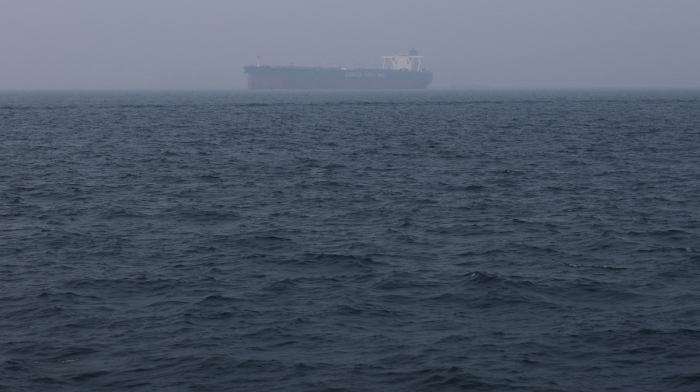
An unknown projectile struck a tanker 68 nautical miles northeast of Saudi Arabia on Friday according to a report released by the United Kingdom Maritime Trade Operations (UKMTO) on Saturday.
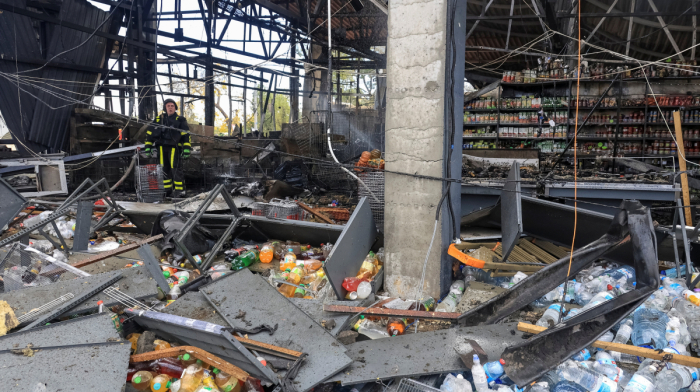
U.S. President Donald Trump has called it “a disgrace” that Ukraine has resumed attacks on Russian oil refineries. Attacks are continuing from Russia and Ukraine as media reports say Ukraine has almost run out of Patriot interceptor missiles.
The day after waiving sanctions and tariffs related to Russian exports, U.S. President Donald Trump said on Saturday he has yet to announce a final decision on the matter as Secretary of State Marco Rubio said officials want more time to evaluate the situation.
A Saudi AH-6i helicopter crashed in the Najran region of Saudi Arabia due to a technical malfunction, killing its two crew members, the Saudi-led coalition's spokesman Brigadier General Turki al-Maliki said in a statement on Sunday.
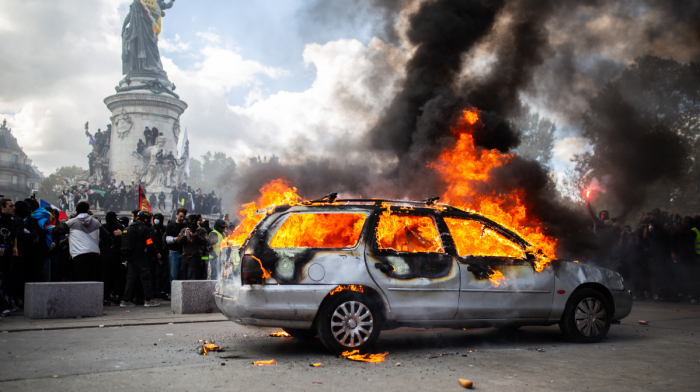
What started out as planned protests against the cost of living, declining public services and education funding in France, quickly devolved into violent riots across the country on Saturday.
The day after waiving sanctions and tariffs related to Russian exports, U.S. President Donald Trump said on Saturday he has yet to announce a final decision on the matter as Secretary of State Marco Rubio said officials want more time to evaluate the situation.
Pope Leo returned to public life on Sunday, five days after undergoing surgery for lung cancer, telling thousands of pilgrims in St Peter’s Square that he would gradually resume his usual activities.
Several people have been killed and injured following a serious incident that sparked a major fire at a Canadian military base in Alberta, Defence Minister David McGuinty confirmed on Saturday (17 October). The cause of the incident and the number of casualties have not been officially released.
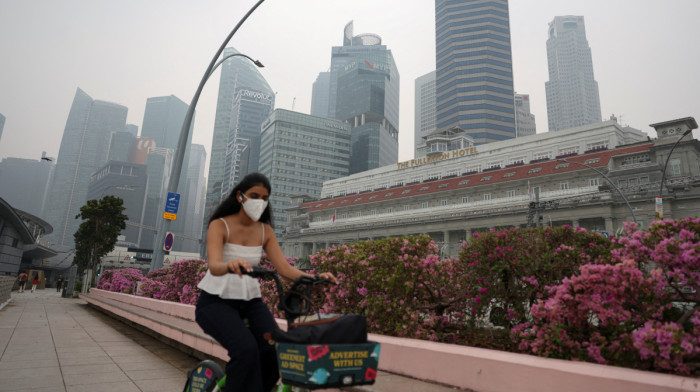
Singapore is experiencing severe haze as smoke from wildfires in Indonesia’s Kalimantan region drifts across the region, disrupting daily life, affecting businesses and prompting Singapore’s National Environment Agency issuing preventive notices to seven companies on 16 October.
What started out as planned protests against the cost of living, declining public services and education funding in France, quickly devolved into violent riots across the country on Saturday.
Download the AnewZ app
You can download the AnewZ application from Play Store and the App Store.













What is your opinion on this topic?
Leave the first comment