A new round of trilateral talks between Ukraine, Russia and the United States will take place in Abu Dhabi on 4–5 February, but analysts warn that deep divisions between Kyiv and Moscow make a breakthrough unlikely.
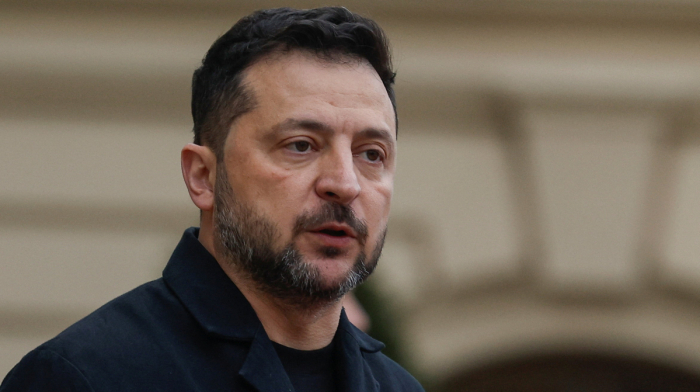
Moscow has described the negotiations as “complex and multi-directional”, while Ukrainian President Volodymyr Zelenskyy has said Kyiv is ready for a “substantive discussion” aimed at achieving a “real and dignified end to the war”.
Political analyst Orkan Nabiyev told AnewZ that the core challenge lies in the fundamentally opposing objectives of the two sides.
“The positions of the two countries, Ukraine and Russia, are diametrically opposed to each other,” Nabiyev said.
He said Russia’s ambitions extend far beyond eastern Ukraine, with Moscow seeking to maintain long-term strategic leverage rather than settle for limited territorial gains.
“The main goal of Russia is to take Donetsk, to hold the Donetsk region - and ultimately all of Ukraine - because Putin’s aim is to control all of Ukraine, not just a small region,” he said.
According to the analyst, this strategic gap makes meaningful compromise difficult and turns the negotiation process into a tactical exercise rather than a genuine peace effort.
He argued that Russia is using talks primarily to buy time and manage external pressure, particularly the risk of additional sanctions from Washington.
Nabiyev also noted that while the US administration has increased pressure on Ukraine to engage in diplomacy, Moscow has shown little willingness to make reciprocal concessions.
Previous ceasefire efforts, including a brief pause in attacks on Ukraine’s energy and civilian infrastructure, collapsed within days, highlighting the fragility of such arrangements.
Commenting on remarks by US President Donald Trump suggesting that “good news” could emerge from the talks, Nabiyev pointed to expectations of possible Ukrainian concessions.
“Good news may be Ukraine’s compromise on creating a demilitarised zone,” he said, adding that security-related compromises remain highly sensitive.
He also warned that domestic political constraints inside Russia further limit the Kremlin’s room for manoeuvre, making any major compromise difficult. As a result, Nabiyev said expectations for the Abu Dhabi talks should remain low.
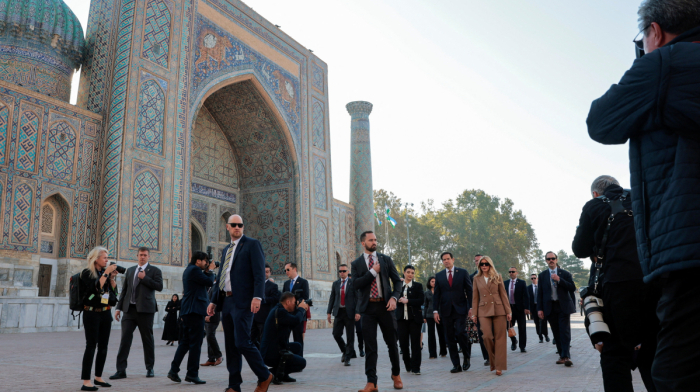
Uzbekistan summoned Iran’s ambassador following claims by several Iranian diplomatic missions that the historical and architectural heritage of Samarkand belongs to Persian or Iranian-Islamic civilisation, Tashkent's Foreign Ministry said.
Russian strikes hit several parts of Ukraine overnight, injuring at least six people and targeting energy and port infrastructure, as President Volodymyr Zelenskyy said U.S. warnings about imminent Russian ballistic missile attacks had resumed.
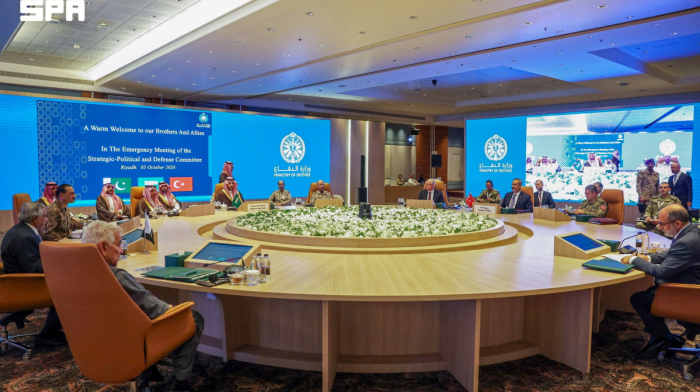
Iran's Supreme National Security Council says senior officials from Saudi Arabia, Pakistan and Türkiye will travel to Tehran to discuss regional security.
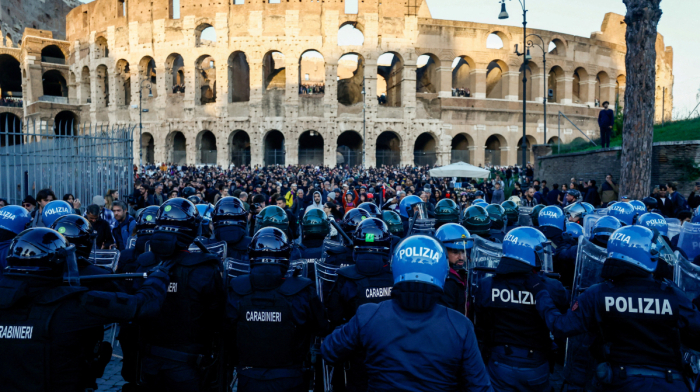
Protests against war and rising living costs took place in major Italian cities on Saturday, with some incidents of violence and clashes, a week after unrest erupted across the country.
Russia and Ukraine have begun a localised ceasefire around the Russian-occupied town of Oleshky, allowing humanitarian aid deliveries and evacuations from the frontline area.
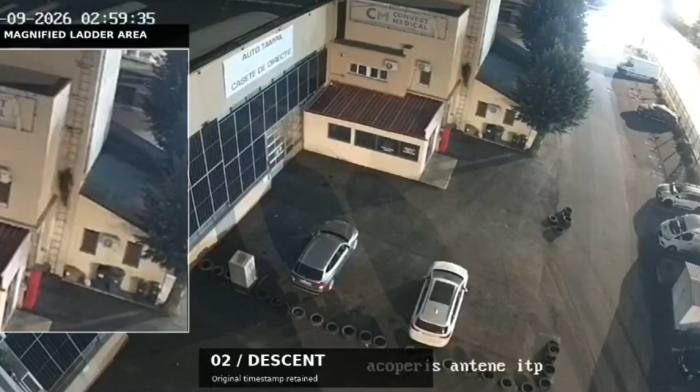
Romanian authorities say they have uncovered a sabotage network allegedly coordinated from Russia and linked to a fire near a defence manufacturing site in the central city of Brasov, underscoring growing concerns about hybrid threats targeting military infrastructure across Europe.
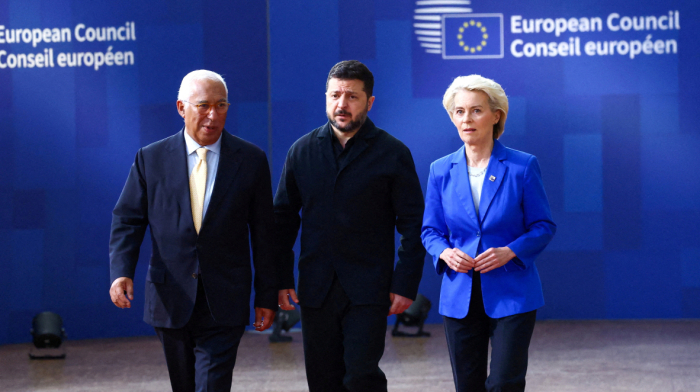
The Council of the European Union has approved a new support package worth nearly €4.9 billion ($5.4 billion) for Ukraine, reinforcing the bloc's military backing for Kyiv as it continues to defend itself against Russia's invasion.
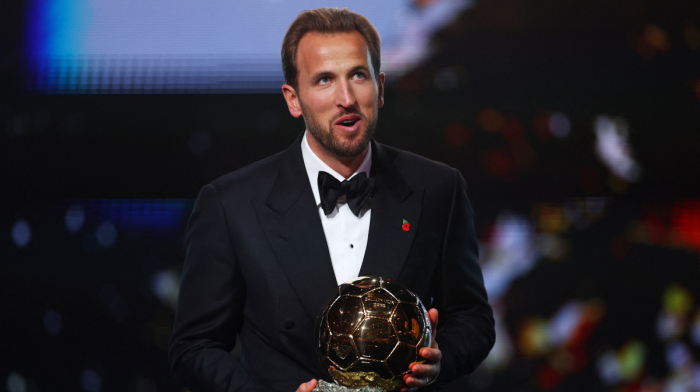
Harry Kane has been crowned the 2026 Ballon d'Or winner, completing a journey that saw him rise from a young player struggling to break into Tottenham Hotspur's first team to one of the most prolific goalscorers in football history.
Washington and Ottawa are negotiating an agreement that would ease U.S. tariffs on Canadian steel and autos, according to two U.S. and four Canadian sources, as the neighbours try to mend ties damaged when trade talks collapsed in August.
Download the AnewZ app
You can download the AnewZ application from Play Store and the App Store.









What is your opinion on this topic?
Leave the first comment