Armed group hijack cargo ship off southern Yemen
An armed group has seized a cargo ship 64 nautical miles southwest of Yemen's coastal city of Balhaf, the U...
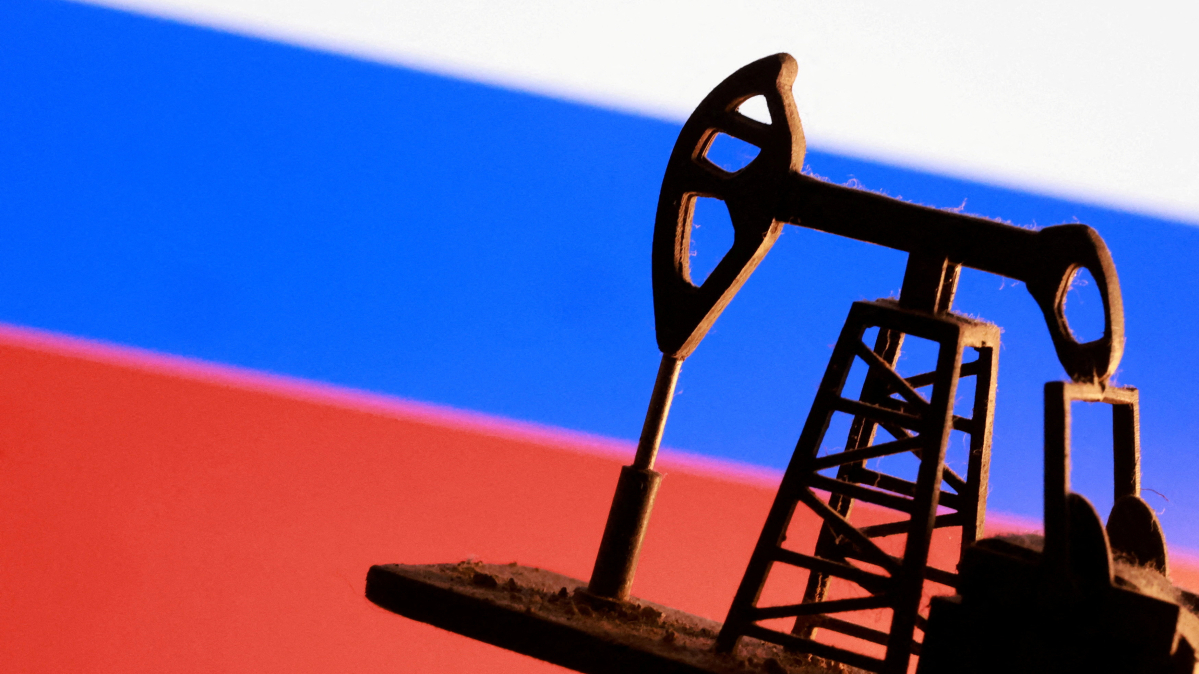
Kremlin spokesman Dmitry Peskov said on Saturday (14 March) that many countries are interested in purchasing Russian oil after the United States temporarily eased sanctions on certain exports.
Peskov told Russia’s state news agency TASS that global energy markets “cannot afford to lose large volumes of Russian oil”, adding that demand for supplies from Moscow remains strong.
“Markets are indeed wide, and there are many willing to purchase Russian oil,” Peskov said, arguing that renewed flows of Russian crude could help stabilise global energy markets.
Thailand and Sri Lanka have signalled interest in buying Russian oil, according to earlier reports, while U.S. broadcaster CNBC said several other countries, including Japan, could also resume purchases.
The comments came after the administration of U.S. President Donald Trump issued a temporary licence allowing countries to buy certain Russian oil products loaded onto vessels before 12 March. Officials in Washington suggested the measure, introduced as energy markets tighten, could be extended.
Oil prices have surged as the war involving Iran disrupts regional energy supplies. Brent crude rose above $100 per barrel this week for the first time since August 2022.
The conflict has effectively halted tanker traffic through the Strait of Hormuz, a vital shipping route through which roughly one-fifth of global oil supplies normally pass.
Peskov said easing sanctions on Russian oil exports was in the interest of both Moscow and Washington as they seek to stabilise global energy markets.
However, the move has drawn criticism in Europe. German Chancellor Friedrich Merz called the decision “wrong”, saying it risked allowing Russia to exploit the Middle East conflict to weaken Ukraine.
Analysts say that even if the conflict in the Gulf ends quickly, shipping through the Strait of Hormuz may not resume immediately, prolonging pressure on global oil markets.

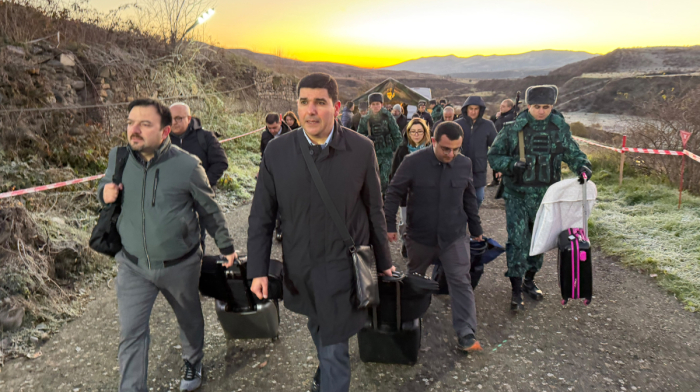
Civil society representatives from Armenia and Azerbaijan are meeting in Armenia on 26 and 27 November, in the latest round of talks aimed at building support for peace.
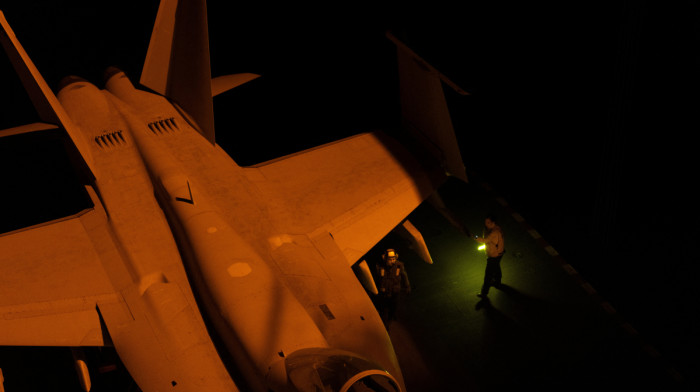
Iran's Islamic Revolutionary Guard Corps (IRGC) claimed on Friday that its air defence systems fired warning shots at a U.S. F-16 fighter jet near Hengam Island, forcing the aircraft to turn away amid continuing tensions over maritime navigation in the Strait of Hormuz.
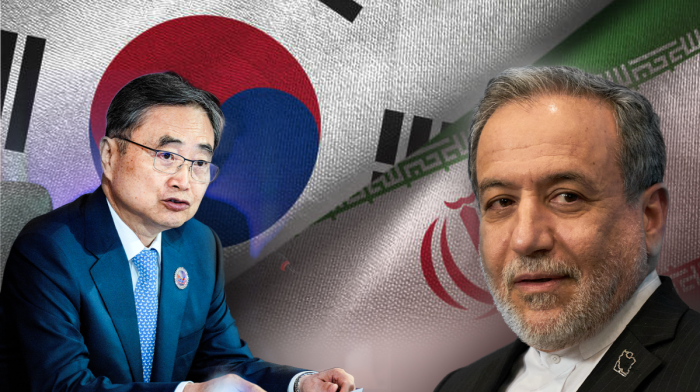
Iran has warned that the presence of foreign forces in the Gulf could escalate regional tensions as South Korea considers expanding its naval operations near the Gulf of Oman to protect commercial shipping.
Spain votes on 29 November in a snap election that could give the far right a place in national government for the first time since General Francisco Franco's dictatorship ended in 1975.
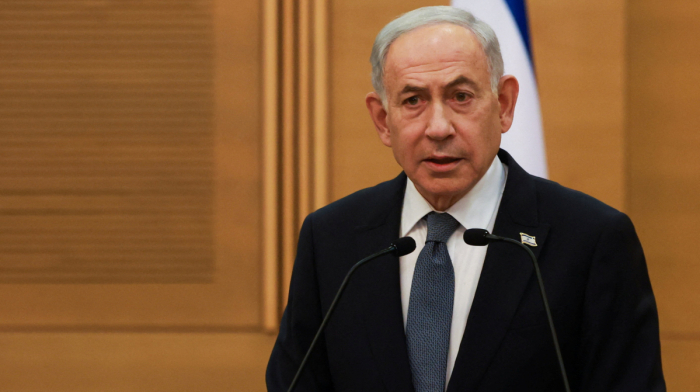
Israeli judges have recommended dropping one of the three corruption cases against Prime Minister Benjamin Netanyahu and reconsidering another, dealing a setback to prosecutors in his long-running trial.
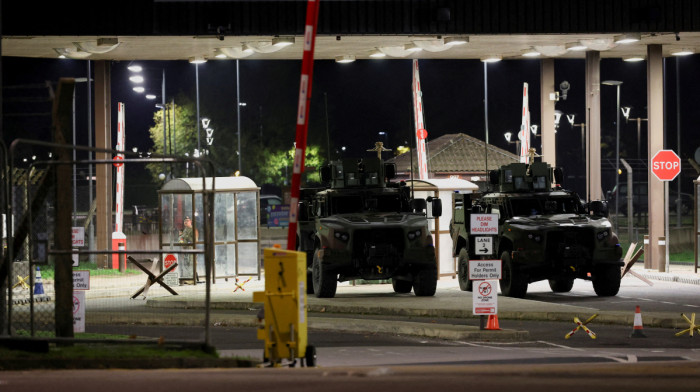
U.S. forces repelled half a dozen drones that swarmed a UK airbase earlier in November in an incident suspected to be linked to Iran, the Financial Times reported on Saturday 28 November, citing people familiar with the matter.
UEFA has launched an investigation into clashes between Beşiktaş J.K fans and Georgian police that briefly halted the Turkish side’s Europa League match against Israel’s Hapoel Be'er Sheva F.C on Thursday (26 November).
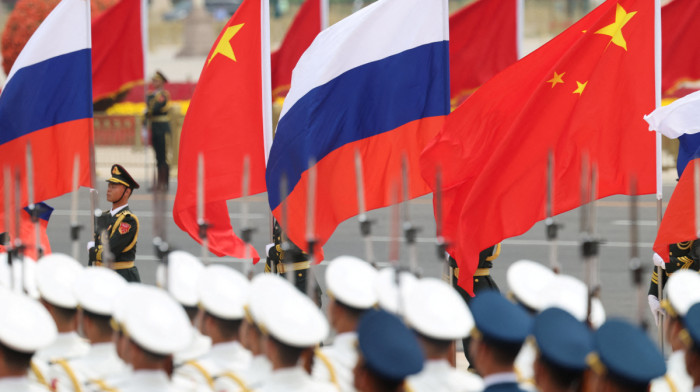
The Chinese and Russian militaries have held strategic consultations via video conference, with both sides pledging to strengthen communication and coordination as they seek to deepen defence ties and address evolving international and regional security challenges.
Hackers have penetrated one of the U.S. military's most important cloud computing environments, according to a Reuters report citing multiple sources familiar with the matter, prompting an emergency assessment of a platform that supports everything from logistics to air-defence operations.
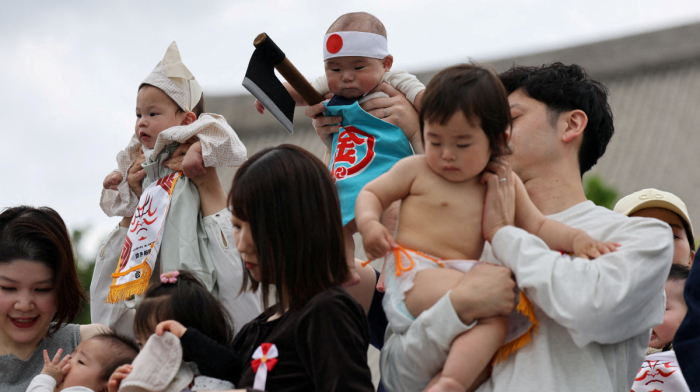
Japan's ruling Liberal Democratic Party (LDP) proposed on Friday paying families 10 million yen ($62,715) for their third and each subsequent child as the country grapples with a record-low fertility rate and a rapidly ageing population.
You can download the AnewZ application from Play Store and the App Store.
What is your opinion on this topic?
Leave the first comment