Australian citizens evacuated from a Dutch-flagged cruise ship hit by a deadly hantavirus outbreak have returned home after two weeks overseas. The passengers will now undergo quarantine and further testing in Western Australia.
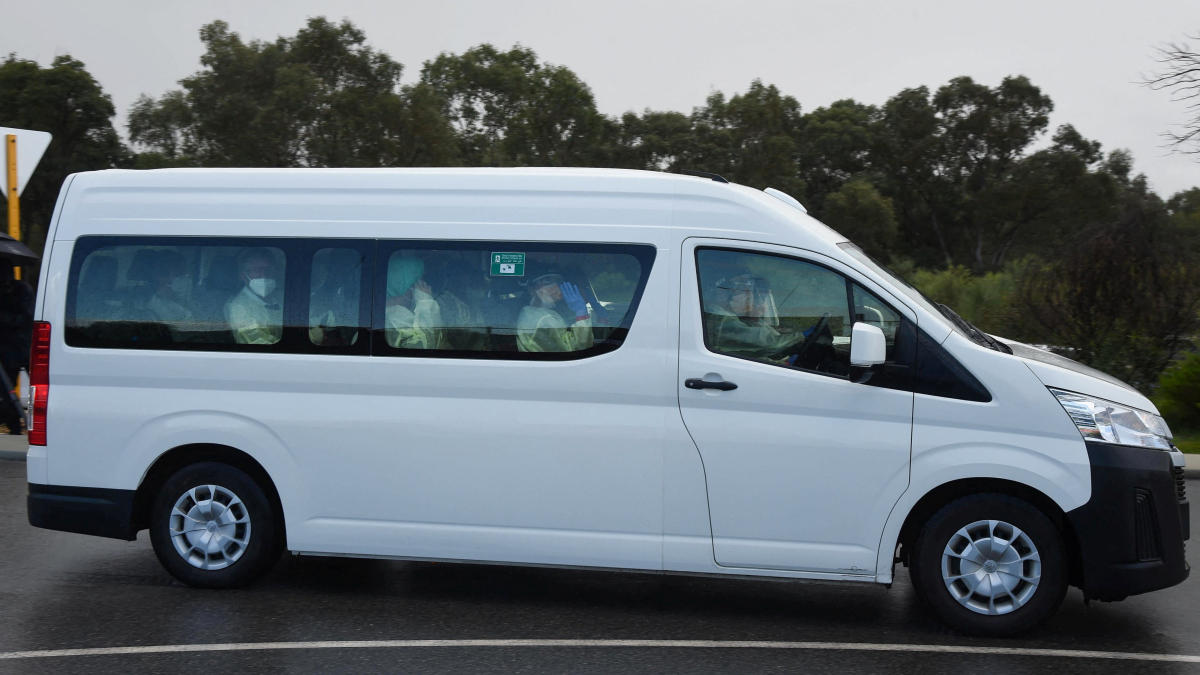
Four Australian nationals landed at an air force base near the Western Australian city of Perth on Friday (15 May) aboard a government-chartered flight, local media reported.
The passengers will spend three weeks in isolation at a quarantine facility and undergo further testing, including additional PCR tests.
Australian Health Minister Mark Butler said none of the passengers had shown symptoms before boarding the flight and had tested negative for hantavirus before departing the Netherlands.
“They will be transported immediately to the quarantine facility that's effectively next door, and they will be tested again,” Butler told Sky News.
Butler said earlier that additional monitoring was also being considered because of hantavirus’s longer incubation period of about 42 days.
“We're not going to let anything happen that doesn't align with World Health Organization (WHO) advice about the incubation period for this virus,” he added.
The flight crew will also be expected to voluntarily quarantine at the facility for two weeks. Butler said everyone on board remained in full PPE throughout the flight and that the aircraft would be decontaminated.
Hantavirus-hit ship timeline
Eleven passengers aboard the MV Hondius cruise ship, which set sail from Ushuaia in southern Argentina on 1 April, have contracted the virus, according to the WHO.
The MV Hondius was carrying 147 passengers and crew from 23 countries when a cluster of severe respiratory illnesses among passengers was first reported to the WHO on 2 May.
Several passengers were evacuated to the Spanish Canary Island of Tenerife on Sunday (10 May), before the ship sailed to the Netherlands the following day carrying the remaining passengers: four Australians, a New Zealander and a Briton living in New Zealand.
Risks of hantavirus
Hantavirus is primarily spread through contact with infected rodents, although person-to-person transmission is possible with the Andes strain identified as responsible for the MV Hondius outbreak.
Health experts have nevertheless urged calm, noting the virus is far less contagious than COVID-19 and poses little risk to the wider public. The WHO has recommended a 42-day quarantine period for all passengers from the cruise.
On Thursday, the U.S. Centers for Disease Control and Prevention said 41 people in the U.S. were being monitored for hantavirus. Earlier, the French health minister said all 26 people under observation in France for possible hantavirus infection had tested negative.




















What is your opinion on this topic?
Leave the first comment