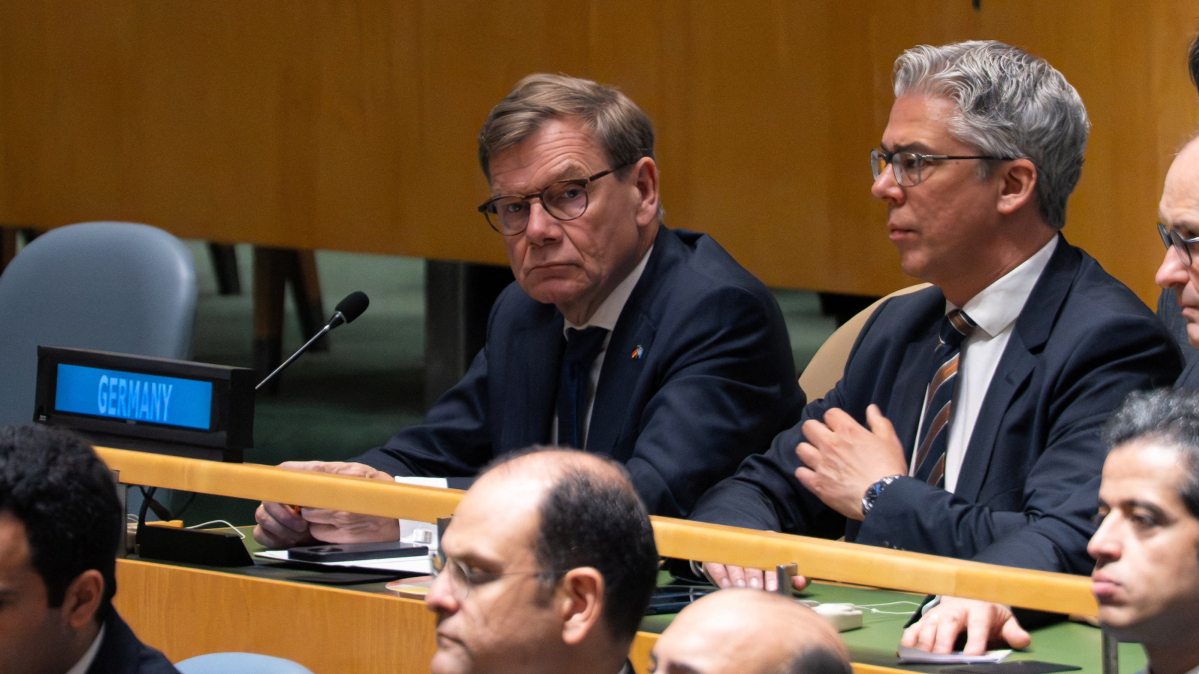
Germany's foreign minister Johann Wadephul has suggested that Berlin's strong backing of Ukraine and its close ties with Israel may have contributed to its failure to secure a seat on the United Nations Security Council.
Germany lost out in Wednesday's vote for a two-year term on the 15-member council, with Austria and Portugal winning two of the available seats alongside Zimbabwe and Trinidad and Tobago.
The result is a setback for Chancellor Friedrich Merz's government, which has sought to strengthen Germany's influence on global affairs and position Berlin as a leading voice in Europe.
Wadephul said Germany's stance on several international issues may have cost it support among UN member states.
"We have always taken a clear stance on certain issues, and these are positions that not all member states share," Wadephul told reporters.
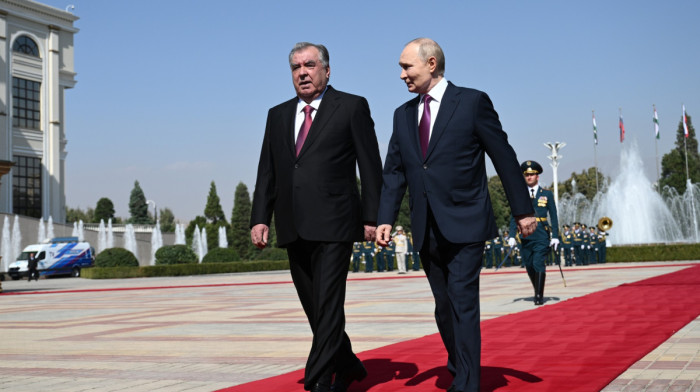
He said it was "no secret" that Russia had sought to turn opinion against Germany because of Berlin's support for Ukraine.
"There is our firm support for Ukraine; the fact that Russia does not want such a voice at the Security Council," he said.
Wadephul also pointed to Germany's longstanding support for Israel, which is rooted in the country's historical responsibility following the Holocaust.
"The fact that Germany must always assume a special responsibility for Israel in the Middle East conflict may also have cost votes," he said.
Germany has faced growing international pressure to take a tougher position on Israel's military campaign in Gaza.
Wadephul said Berlin would continue to uphold its responsibility towards Israel, while remaining willing to criticise the Israeli government on specific issues.
Russia did not immediately respond to the accusation that it had lobbied against Germany's candidacy.
Merz accepts result
In a separate statement, Merz accepted the outcome and congratulated Austria and Portugal on their election.
"We applied with conviction. We did not achieve our goal," he said. "This result does not alter the tasks we face at the United Nations. Germany remains a reliable pillar of the multilateral system."
The vote was a disappointment for a government that has sought to play a larger role in international diplomacy despite facing political and economic challenges at home.
Opposition attacks government's campaign
The defeat has also sparked criticism from opposition parties.
The Greens described the result as an "embarrassing defeat" and argued that Germany had not done enough in recent years to build support for its campaign.
Agnieszka Brugger, the party's deputy parliamentary leader, said the government had failed to back the bid with fresh ideas and stronger diplomatic engagement.
The far-right Alternative for Germany (AfD) said the outcome reflected broader dissatisfaction with Berlin's foreign policy.
Markus Frohnmaier, an AfD member of parliament, said the result was "the result of years of ideologically blinkered, unrealistic foreign policy which isolates Germany internationally".
Frohnmaier was among a group of AfD lawmakers attending Russian President Vladimir Putin's economic forum in St Petersburg on the day of the vote.













What is your opinion on this topic?
Leave the first comment