Germany agrees deal to buy U.S. Tomahawk missiles
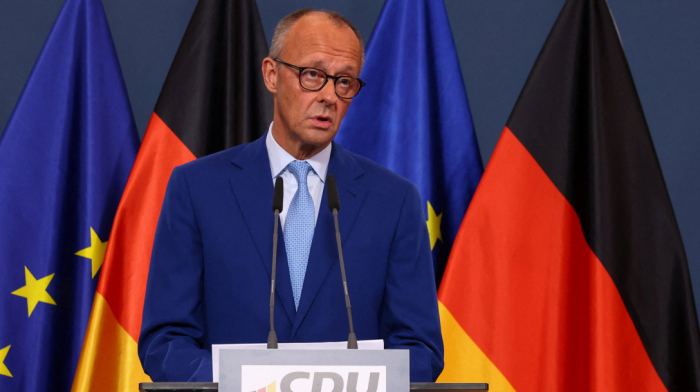
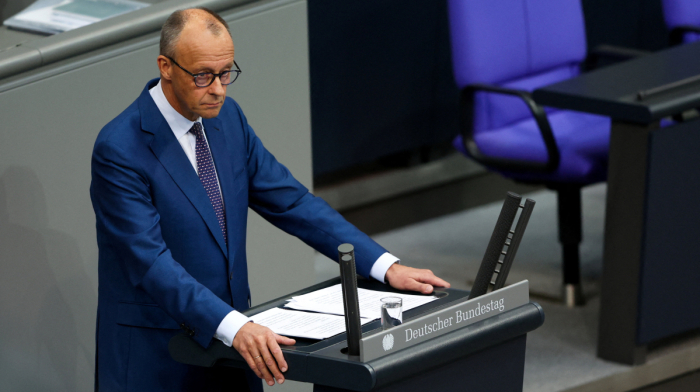
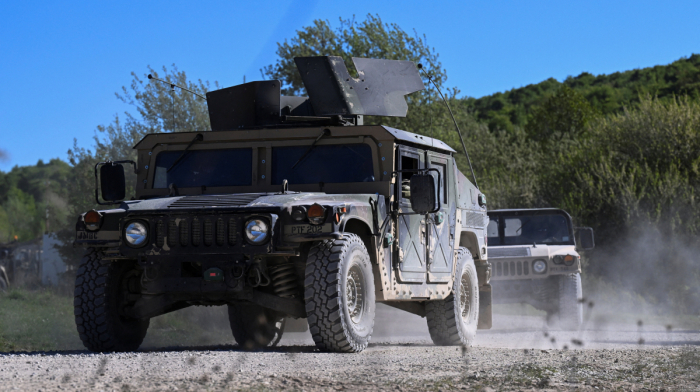
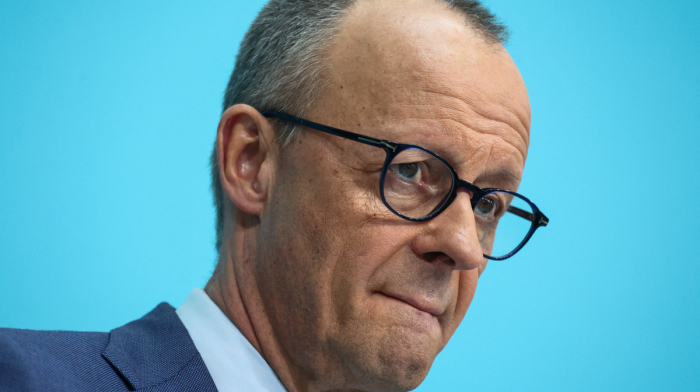
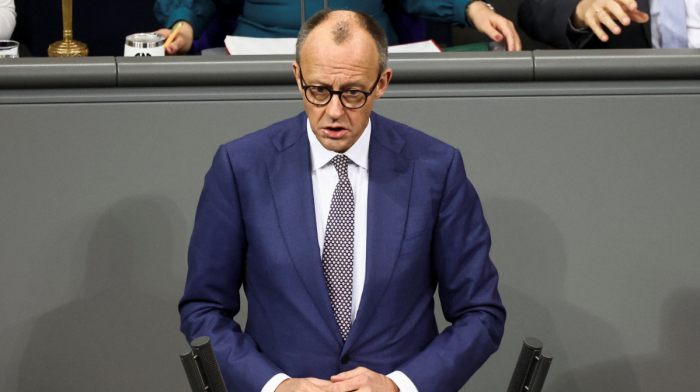
Germany has reached an agreement with the U.S. to purchase Tomahawk cruise missiles and deploy them on German territory, Chancellor Friedrich Merz told lawmakers in Berlin on Thursday.
Turkish President Recep Tayyip Erdoğan and German Chancellor Friedrich Merz held a phone call on Monday to discuss bilateral relations, regional developments and wider global issues, according to Türkiye’s Communications Directorate.
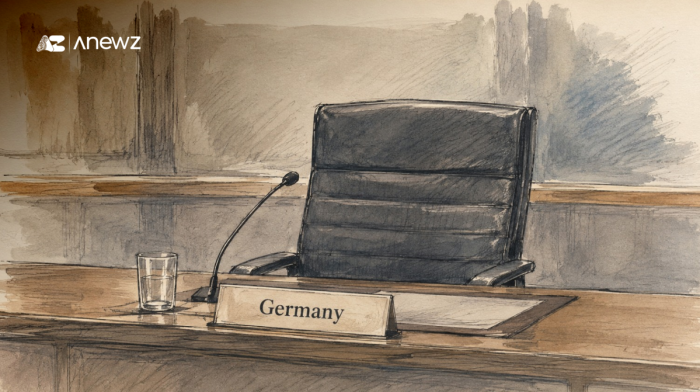
Germany's failure to secure a United Nations Security Council seat has exposed growing questions about its diplomatic influence and moral authority, highlighting the challenges facing Chancellor Friedrich Merz as he seeks to redefine Berlin's role in an increasingly fragmented world.
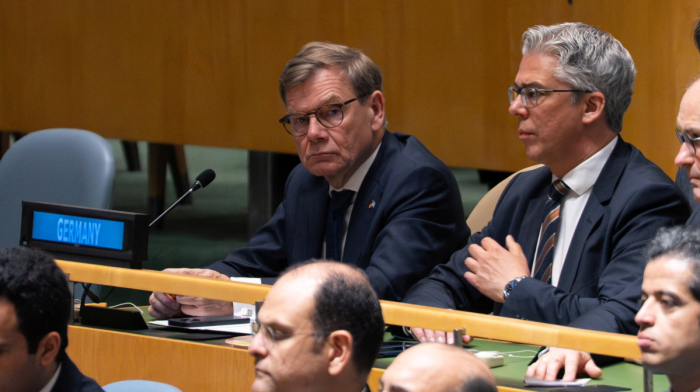
Germany has failed to secure a rotating seat on the United Nations Security Council, ending decades of successful bids and prompting fresh debate about the country's diplomatic standing on the global stage.
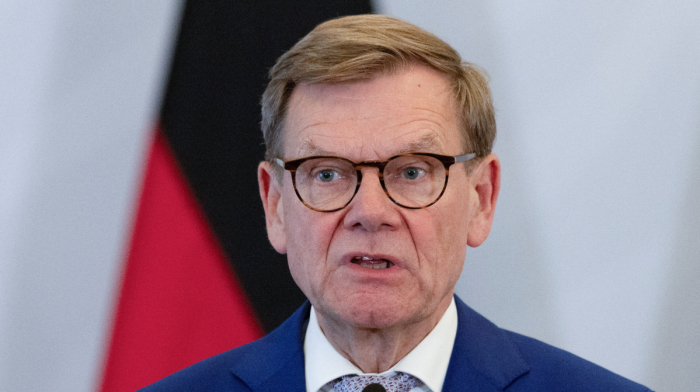
Germany's foreign minister Johann Wadephul has suggested that Berlin's strong backing of Ukraine and its close ties with Israel may have contributed to its failure to secure a seat on the United Nations Security Council.
The United States is withdrawing 5,000 troops from NATO ally Germany, the Pentagon announced on Friday, as a rift over the Iran war widens between President Donald Trump and Europe.
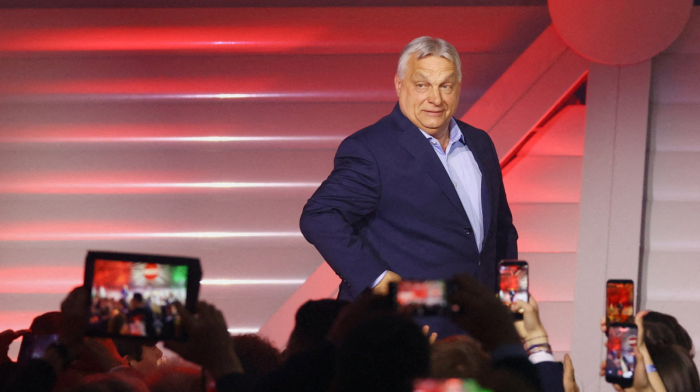
Hungary’s veteran nationalist leader Viktor Orbán has lost power to the centre-right Tisza party in Sunday’s national election after 16 years in office, marking a major political shift that has drawn reactions across Europe and the United States.
German Chancellor Friedrich Merz has voiced doubts about the effectiveness of the U.S. and Israeli military campaign in Iran, warning that the conflict risks becoming prolonged and increasingly complex.
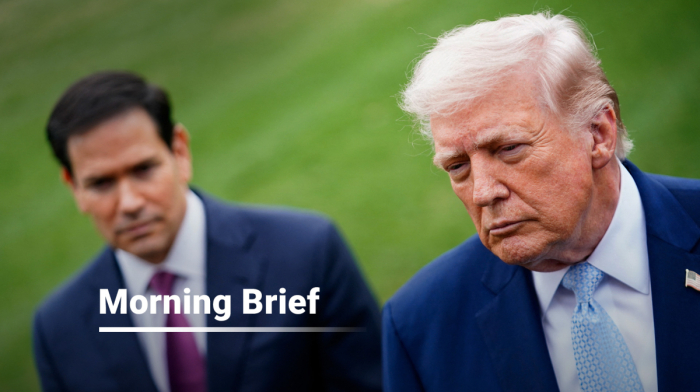
Start your day informed with the AnewZ Morning Brief. Here are the top stories for 21 March, covering the latest developments you need to know.
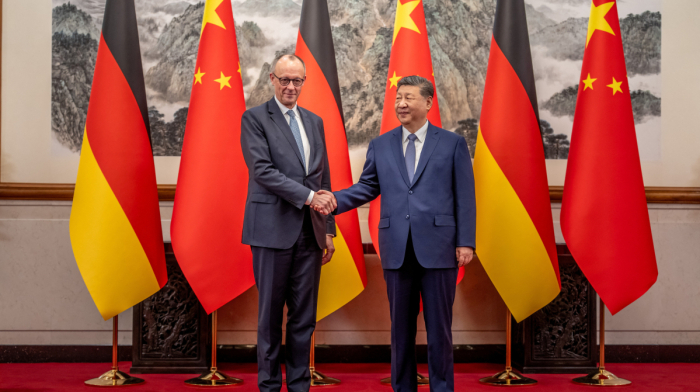
Chinese President Xi Jinping and German Chancellor Friedrich Merz agreed on Wednesday in Beijing to strengthen economic cooperation while addressing trade imbalances, market access concerns, and the war in Ukraine, during Merz’s first official visit to China since taking office.
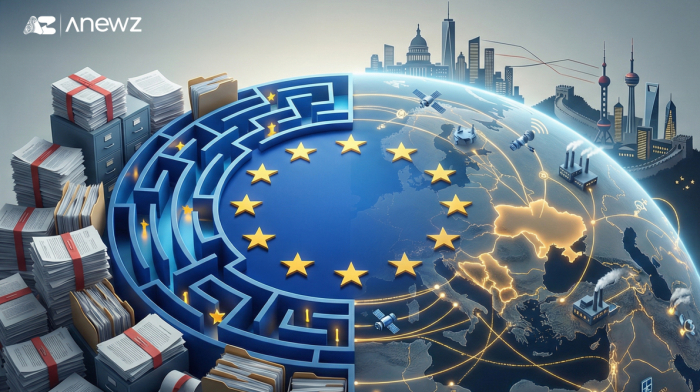
Despite its economic might, the European Union is often labelled a “geopolitical dwarf.” The only region where it acts as an indisputable player, able to assert its will with relative ease, is the Western Balkans, along with parts of Eastern Europe.
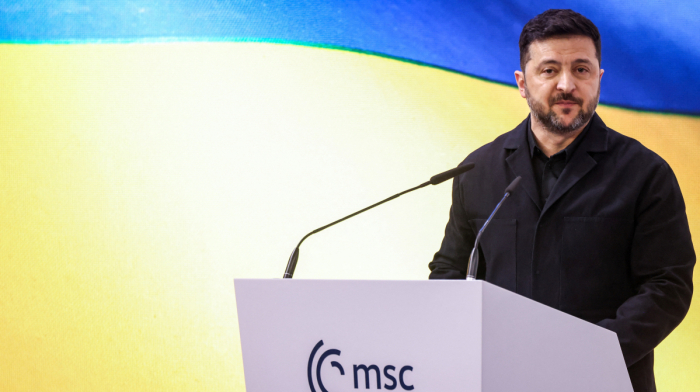
“Real security guarantees are needed before the war ends,” Ukrainian President Volodymyr Zelenskyy said at the Munich Security Conference on Saturday (14 February), warning that Russian aggression shows no sign of relenting.
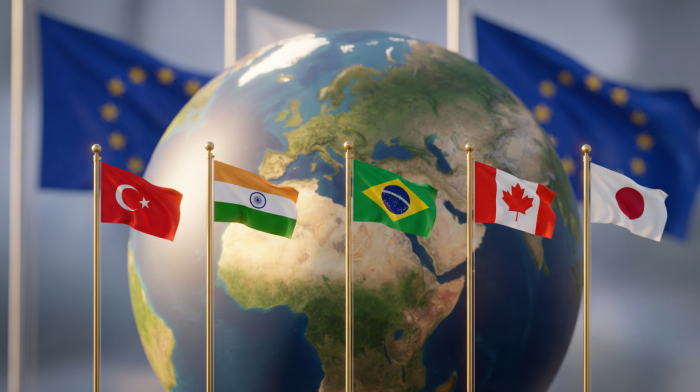
Europe needs to develop global partnerships with key nations to tackle global problems together, chancellor tells Munich Security Conference
“For some weeks now, we have been seeing with increasing clarity the emergence of a world of great powers,” German Chancellor Friedrich Merz said on Thursday (29 January), declaring that Europe had found “self-respect” in standing up for a rules-based global order.
Germany’s Federal Chancellery has addressed allegations that the current Chancellor Friedrich Merz filed hundreds of criminal complaints for defamatory remarks and insults against him in the years before he took office.
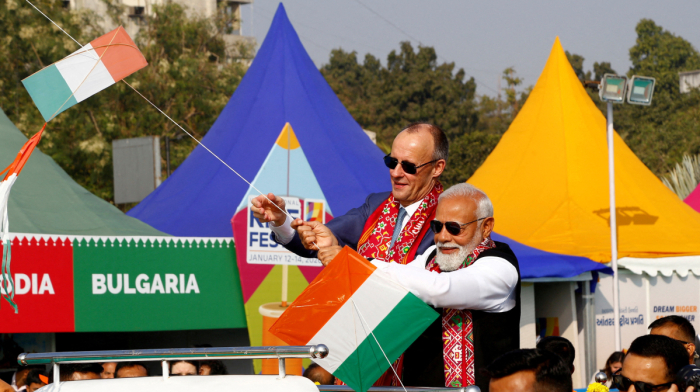
India and Germany have agreed a range of deals to deepen cooperation between the two nations, with defence, trade and technology high on the agenda.
A Welt am Sonntag investigation, published in December 2025, has caused a stir in Germany, revealing that Chancellor Friedrich Merz initiated nearly 5,000 criminal complaints over online insults directed at him since 2021.
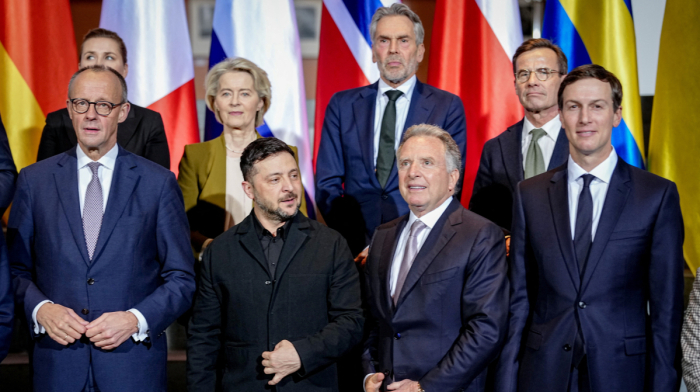
European countries and the United States presented a united front in support of Ukraine, unveiling security guarantees backed by Washington and a detailed plan for long-term assistance contingent on a ceasefire with Russia.
As Europe grapples with how to best support Ukraine in its ongoing battle against Russian aggression, key meetings in Brussels and Berlin are testing the continent's resolve.
President Volodymyr Zelenskyy offered to drop Ukraine's aspirations to join the NATO military alliance as he held five hours of talks with U.S. envoys in Berlin on Sunday to end the war with Russia, with negotiations set to continue on Monday.
The upcoming meeting in Berlin between U.S. envoy Steve Witkoff, Ukraine’s President Volodymyr Zelenskyy, and European officials is set to focus on advancing a proposed peace framework, though analysts warn reaching a deal may be difficult.
The leaders of Britain, France and Germany held a call with U.S. President Donald Trump on Wednesday (10 December) to discuss Washington's latest peace efforts to end the war in Ukraine, in what they said was a "critical moment" in the process.
Ukraine is set to present a revised 20-point peace plan to the United States today, as President Volodymyr Zelenskyy and key European leaders work to steer Washington’s ceasefire framework away from concessions they fear could lock in Russian territorial gains.
German Chancellor Friedrich Merz on Thursday (4 December) firmly rejected U.S. proposals to use Russian assets frozen in the European Union for the benefit of the United States, emphasising that these funds should be directed to support Ukraine.
You can download the AnewZ application from Play Store and the App Store.