As Europe grapples with how to best support Ukraine in its ongoing battle against Russian aggression, key meetings in Brussels and Berlin are testing the continent's resolve.
The latest discussions focus on how to fund Ukraine's recovery and military needs while establishing terms for a potential peace agreement.
In Brussels, European Union foreign ministers met on Monday to review financial and military assistance for Kyiv over the next two years.
Among the proposals under consideration is the use of frozen Russian assets as collateral for a reparations loan.
However, this idea has sparked significant opposition from several EU member states, including Italy, Bulgaria, Malta, and Belgium, who have expressed concerns about the legal risks and the possibility of Russian retaliation.
EU Foreign Policy Chief, Kaja Kallas, has warned that reaching a deal on these financial arrangements is becoming increasingly difficult.
The bloc is considering a line of credit for Ukraine using €185 billion immobilised at Euroclear in Brussels, as well as an additional €25 billion held in banks across five member states.
Despite the challenges, EU leaders are set to discuss the matter further at the upcoming European Council summit on Thursday (18 December).
German Chancellor Friedrich Merz has raised concerns that the EU's failure to back the asset plan could severely damage the Union’s position in the long run.
Merz has emphasised that securing an agreement on this funding mechanism is crucial to maintaining European solidarity.
Germany has unveiled a new 10-point plan aimed at further bolstering Ukraine's defence capabilities.
The plan focuses on increasing market integration, facilitating joint ventures, and potentially providing federal investment guarantees to strengthen the country's military infrastructure.
These efforts are part of broader European efforts to enhance Ukraine’s resilience against Russian aggression.
U.S. and Ukrainian leaders meet in Berlin
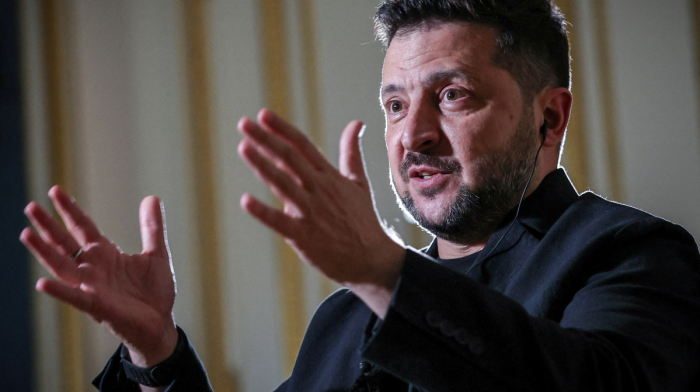
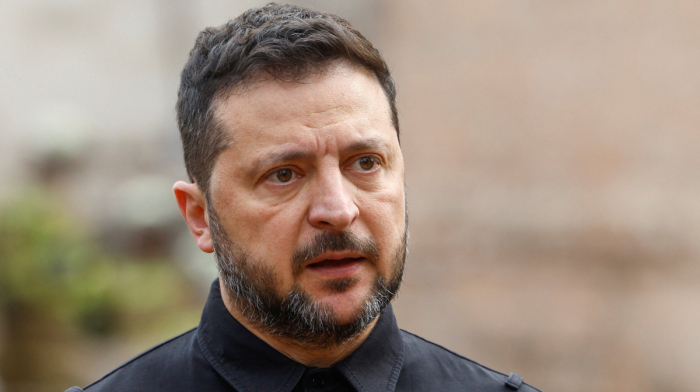
Ukrainian President Volodymyr Zelenskyy met with a U.S. delegation at the weekend, including Steve Witkoff and Jared Kushner in Berlin, to discuss ways forward in Ukraine's defence and the broader peace process.
While an American official indicated significant progress in the discussions, Zelenskyy acknowledged that the talks were challenging, particularly on the issue of territorial disputes. However, the Ukrainian president expressed optimism that the United States would play a key role in finding a resolution.
Zelenskyy also spoke about the importance of securing strong guarantees for any potential ceasefire. He emphasised that both the U.S. and Europe must provide legal and material assurances for the peace process to succeed.
Unified European approach to peace and security
Talks continued over dinner with EU Commission President Ursula von der Leyen, NATO Chief Mark Rutte, and other European leaders, with the focus still on aligning Europe's diplomatic, security, and financial strategies.
Zelenskyy’s meetings with European leaders reflect the urgency of forging a unified European approach to peace and security in Ukraine.
Zelenskyy’s visit to the Netherlands on Tuesday (16 December) follows these high-level meetings, where he is expected to engage with Dutch Prime Minister Dick Schoof.
The current discussions come at a critical juncture as the EU works to balance its financial support for Ukraine with a diplomatic strategy aimed at achieving peace.









What is your opinion on this topic?
Leave the first comment