The Donbas region, made up of Donetsk and Luhansk, has been at the centre of the Russia–Ukraine conflict since 2014. Today, it remains a critical bargaining chip in any potential peace deal. But why is this region so important?
With its strategic, economic, and symbolic significance shaping both sides’ approach to peace efforts, understanding why this region is central to any potential settlement is crucial for comprehending the complexities of the current conflict and the challenges facing negotiators.
Donbas gives Russia a land corridor to Crimea, connecting occupied territories in eastern Ukraine. This corridor strengthens Moscow’s military position and cuts Ukraine off from key access to the Black Sea.
Controlling Donbas provides strategic leverage over Ukraine’s military and allies. Cities such as Sloviansk, Kramatorsk, and Pokrovsk form a “fortress belt” that makes any Russian takeover difficult, giving Ukraine a defensive edge.
According to Dr. Marnie Howlett, a departmental lecturer in Russian and East European Politics at the University of Oxford, Donbas is vital for Russia not only for territorial expansion but also as part of a wider strategic objective.
Capturing Donbas—and potentially the adjacent regions of Kherson, Mykolaiv, and Zaporizhzhia—would allow Russia to consolidate a land corridor linking occupied areas with Crimea, effectively controlling Ukraine’s access to the Black Sea.
Dr. Howlett emphasised that Russia’s interest in Donbas is part of a broader ambition to maintain influence over Ukraine.
“Arguably, Russia wants to take all of Ukraine, not just Donbas. Once it acquires Donetsk and Luhansk, there is little indication it intends to halt its advance,” she notes.
Russia has occupied parts of Donetsk and Luhansk since 2014, establishing puppet administrations and embedding its influence culturally and politically.
Economic stakes
Before the war, Donbas was Ukraine’s industrial heartland, home to coal mines, metallurgical plants, and chemical factories. While years of fighting have destroyed much infrastructure, the region still holds valuable resources.
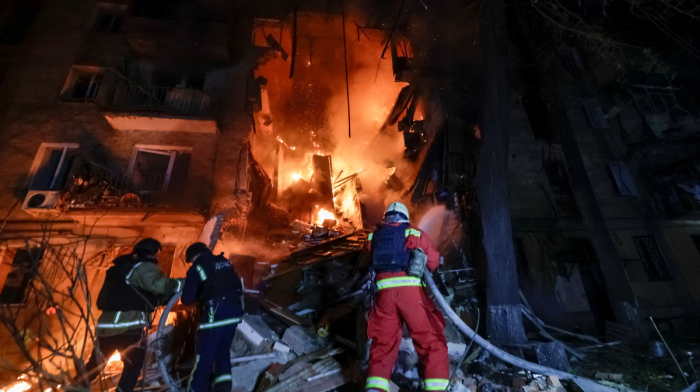
Control over Donbas offers Russia potential economic gains, while Ukraine sees it as essential for future reconstruction and national recovery. Cities such as Soledar, Mariupol, and Bakhmut have been reduced to rubble, leaving only “piles of stones” where vibrant communities once existed. Access to these resources may remain limited for years due to extensive mining hazards and ongoing insecurity.
Symbolic and political weight
Donbas is more than territory, it represents identity, culture, and history. Many Ukrainians trace family roots here, and any concession is seen as a major loss. The region also symbolises Ukraine’s commitment to European integration, highlighted by the EuroMaidan protests and the Orange Revolution.
Peace talks and challenges
Russia demands full control of Donbas and nearby regions. Ukraine refuses to formally cede lands without security guarantees from Western allies.
Current negotiations between Russia, the United States, and Ukraine repeatedly revolve around the “territorial problem,” a shorthand reference to Russian claims over Donbas. Recent discussions in Moscow, involving President Vladimir Putin and U.S. envoys including Steve Witkoff and Jared Kushner, reportedly failed to reach a compromise. Kremlin aide Yuri Ushakov noted that while some American proposals were “more or less acceptable,” others were “not suitable” for Russia.
Ukraine continues to hold approximately 5,000 square kilometres of Donbas territory, even as Russia controls the majority of the region. President Volodymyr Zelenskyy has stressed that the process must remain transparent, fair, and inclusive, warning against discussions that exclude Ukraine’s voice.
Dr. Howlett highlights a critical principle for international observers: legitimising force to alter borders in the 21st century sets a dangerous precedent. If the seizure of Donbas by force is accepted, it may encourage further territorial incursions elsewhere, undermining international law and the post-World War II global order.
What’s next
- Status quo: Fighting continues, with frontlines stabilising around key towns.
- Partial settlement: Ukraine retains key cities; Russia controls other areas. Could lead to a fragile ceasefire.
- Full reintegration: Ukraine gradually reclaims Donbas — reconstruction will be long and costly.
- Russian consolidation: Russia secures Donbas permanently, reshaping Ukraine’s economy and geography.
Security guarantees and the role of volunteers
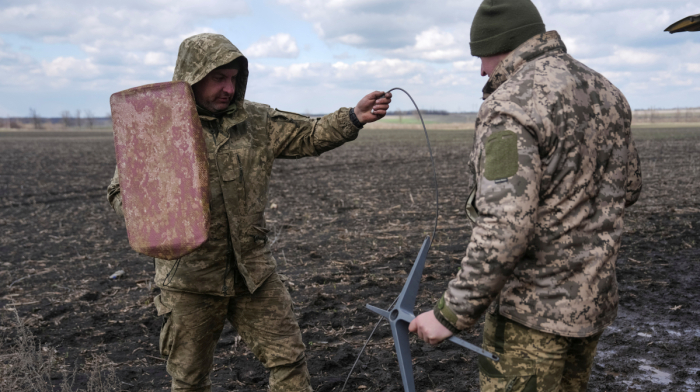
The conflict in Donbas is not only fought by professional soldiers. Civilian volunteers form a significant part of Ukraine’s defensive effort, funding and staffing battalions, and sustaining the resistance. Any settlement involving territorial concessions would require substantial security guarantees from NATO or other allies to ensure Ukraine’s sovereignty and protect its population from renewed aggression.
Bottom line
Donbas is not just a battlefield — it’s central to Ukraine’s strategy, economy, and identity. Any peace deal that fails to address Donbas risks instability, renewed conflict, and weakened international norms.
The coming weeks are critical as diplomatic efforts continue, with Moscow talks, U.S. mediation, and European counter-proposals all shaping the potential path to resolution. Ultimately, the future of Donbas may determine the broader stability of Ukraine, the security of Eastern Europe, and the credibility of international norms governing territorial integrity.










What is your opinion on this topic?
Leave the first comment