In a landmark move that could redefine the South Caucasus, U.S. President Donald Trump hosted a historic summit at the White House on 8 August 2025 with the leaders of Azerbaijan and Armenia, resulting in agreements on peace, regional connectivity, and constitutional reforms in Armenia.
The meetings, held both one-on-one and jointly, concluded with a joint statement at the Trump Route for International Peace and Prosperity Summit, signaling international support for peace in the South Caucasus.
The summit also included the signing of the Joint Declaration by President Ilham Aliyev of Azerbaijan and Prime Minister Nikol Pashinyan of Armenia, witnessed by President Donald Trump, formalising the outcomes of the historic Washington meeting.
Key Agreements and International Cooperation
The summit produced several key agreements. A Strategic Working Group was established between the U.S. and Azerbaijan, and the waiver for Section 907 was extended.
Section 907 is directive made under the U.S. Freedom Support Act which restructed direct U.S. government aid to Azerbaijan. It was enacted in 1992.
The Foreign Ministers of Azerbaijan and Armenia signed a joint appeal to close the OSCE Minsk Process and its related structures.
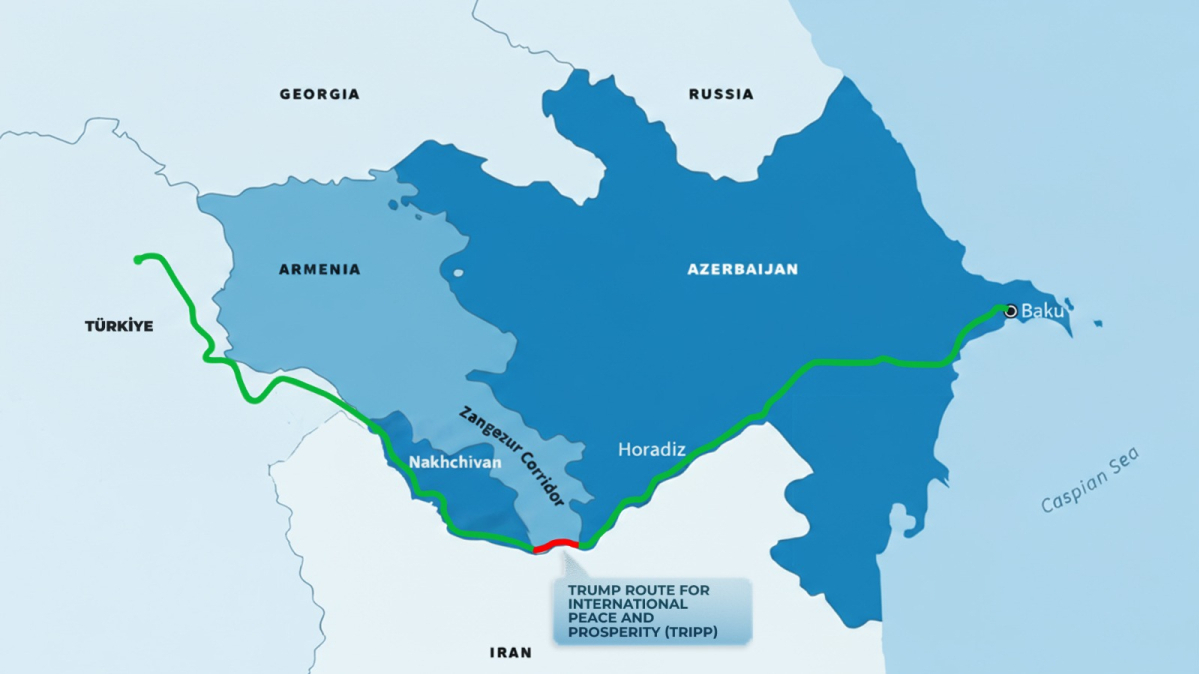
Additionally, Armenia, together with the U.S. and agreed third parties, will develop a framework for the Trump Route for International Peace and Prosperity project within its territory.
Azerbaijan is upgrading the railway in Nakhchivan and will extend it to the Armenian border, covering both rail and road, with full completion expected by 2030.
Speaking about the summit, President Ilham Aliyev said: “President Trump is bringing peace to the Caucasus, and we are grateful for this. I am confident that Armenia and Azerbaijan will show both courage and responsibility in reconciling, and that our peoples will support this.
By closing the chapter of confrontation and bloodshed, we will ensure a bright and secure future for our children.”
Armenian Prime Minister Nikol Pashinyan added: “It is a success for our countries, our region and the world, because a more peaceful region means a safer world."
Mr President (Trump), today’s major achievement is yet another proof of your global leadership and of your legacy as a statesman and peacemaker. Creating peace requires vision, political courage and determination.”
TRIPP and Regional Connectivity
President Aliyev also emphasised the historic nature of the agreements, noting that the lifting of U.S. restrictions imposed in 1992 marks a significant milestone for Azerbaijan.
He highlighted that TRIPP and the strategic partnership with the U.S. would open opportunities in investment, trade, energy, connectivity, AI, defence sales, and counterterrorism.
“The Trump Route for International Peace and Prosperity will create new connectivity lines, lift the walls, and open opportunities for many countries through investments, prosperity, and stability,” The President of Azerbaijan said during a joint press conference in Washington.
This significant breakthrough in the ongoing normalisation process between Azerbaijan and Armenia followed President Ilham Aliyev’s announcement during his visit to Kazakhstan on 21 October that all restrictions on cargo transit to Armenia, in place since the early 1990s, had been lifted.
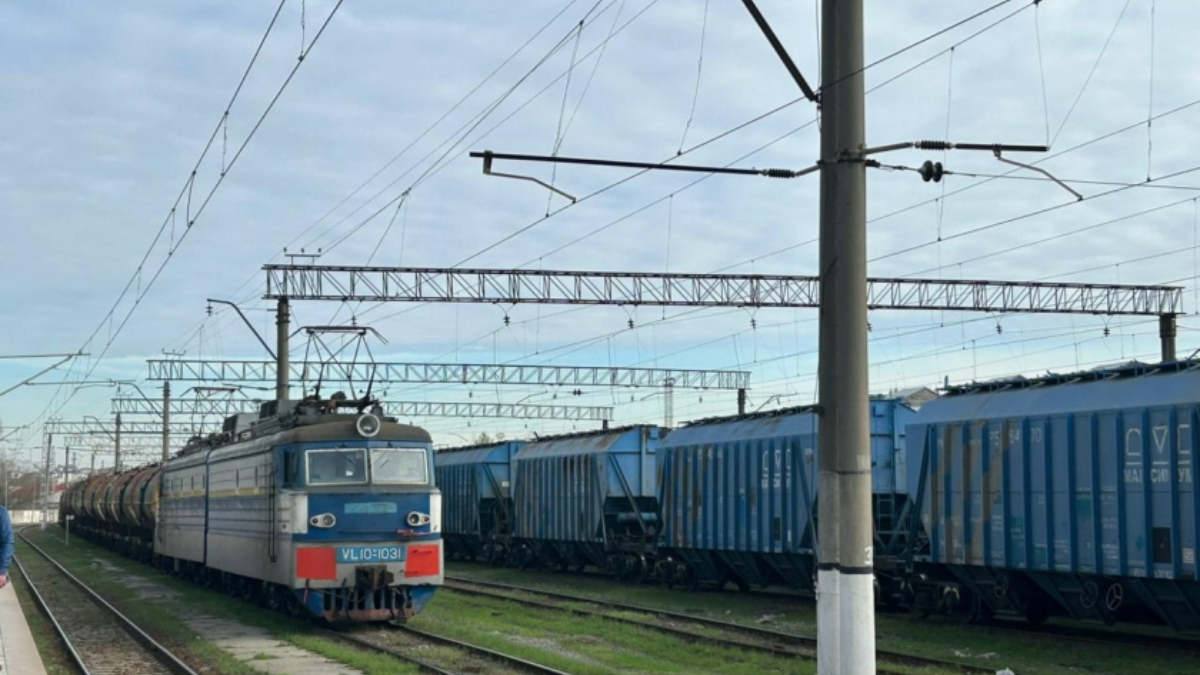
“I should also note that the first such transit shipment was a consignment of Kazakh grain to Armenia. I believe this is a clear indication that peace between Azerbaijan and Armenia exists not only on paper but also in practice,” the President emphasised.
Following President Ilham Aliyev’s decision to lift restrictions, cargo transportation to the neighboring country resumed in October with the shipment of Kazakh and Russian wheat.
For the first time in decades, the State Oil Company of Azerbaijan (SOCAR) has begun delivery of domestically produced petroleum products to Armenia.
A Turning Point in Regional Relations
The agreements reached at the White House are regarded as a significant turning point in regional relations, replacing decades of conflict with plans for lasting cooperation, stability, and prosperity in the South Caucasus.
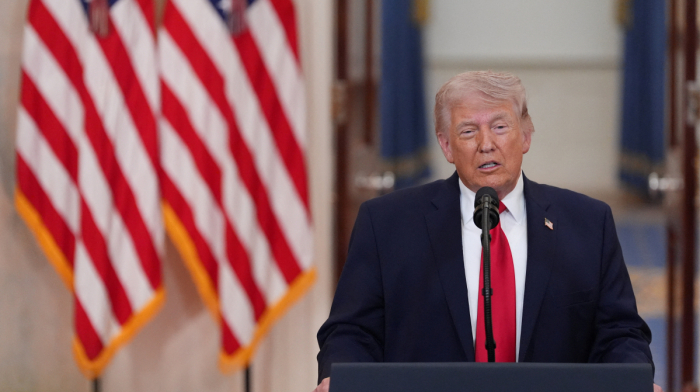
U.S. President Donald Trump described the summit as a historic achievement, saying: “It's a long time - 35 years - they fought and now they're friends, and they're going to be friends for a long time,” underscoring the objective of lasting peace and normalised relations in the South Caucasus.












What is your opinion on this topic?
Leave the first comment