Protest outside Azerbaijani Embassy in London features Iranian flags and hijab placards
Demonstrators carrying Iranian flags and placards supporting the hijab gathered outside the Azerbaijani Embassy...
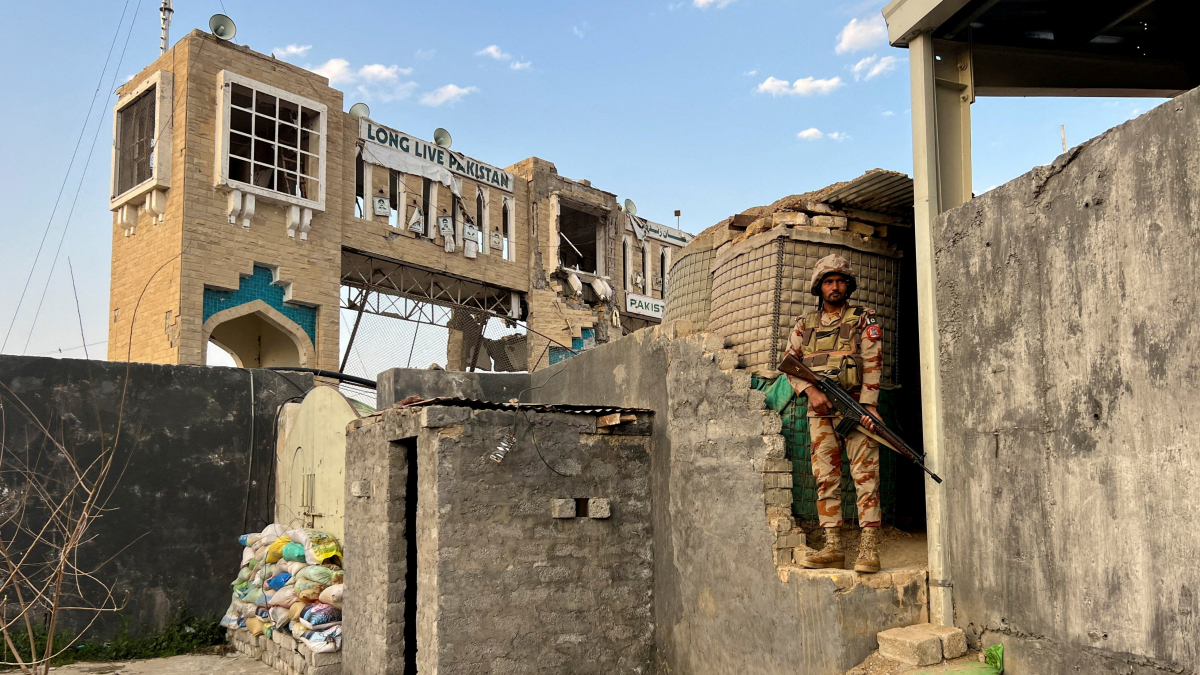
Afghanistan’s Ministry of Foreign Affairs says it has sent a mid-level delegation to China for formal talks with Pakistan, as both sides meet in Urumqi amid efforts by Beijing to ease tensions between the neighbours.
In a statement, the Afghan ministry said the delegation had arrived in China “at the initiative of the People’s Republic of China” and would hold official talks with the Pakistani side “in accordance with its principled position.” It added that the process was being carried forward at China’s request and on the basis of “mutual respect and constructive engagement.”
The ministry said Kabul would participate from a “balanced and principled position” and planned “comprehensive and responsible talks” on good neighbourly relations, stronger trade ties, and “the effective management of security issues.” It added that diplomatic engagement based on “mutual respect, non-interference and constructive understanding” could help deliver “practical and lasting solutions.”
Pakistan also confirmed the talks. Foreign Ministry spokesperson Tahir Andrabi said, “Talks between Pakistan and the Afghan Taliban were held in China,” adding that Islamabad had sent a delegation to Urumqi to discuss “the issue of terrorism originating from within Afghanistan.” He said the talks were continuing and that Pakistan wanted “concrete steps against terrorists.”
The meeting follows weeks of worsening friction and cross-border violence, which experts describe as the most serious tensions between the two sides since the Taliban returned to power in 2021. The agenda is reported to include security, a possible ceasefire, and measures to reopen or stabilise trade and travel links.
China has said it is working to help both sides resolve their differences through dialogue. Foreign Ministry spokesperson Mao Ning said Beijing had “been working actively to mediate the conflict” and would continue to play a “constructive role” in improving relations between Afghanistan and Pakistan.
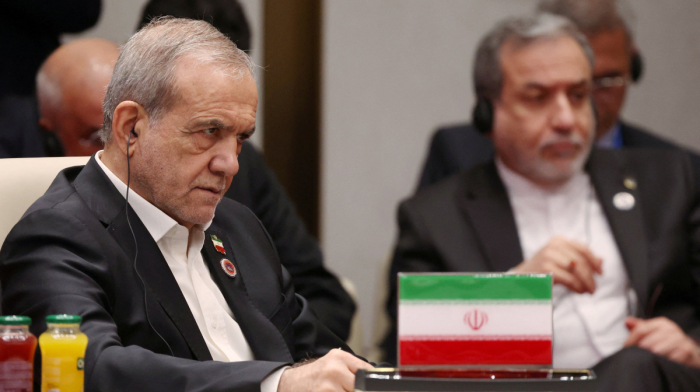
The Middle East conflict remains tense as diplomatic efforts continue alongside renewed Houthi attacks. Iran says it remains open to mediation, while the Saudi-led coalition says it intercepted a ballistic missile fired towards the kingdom.
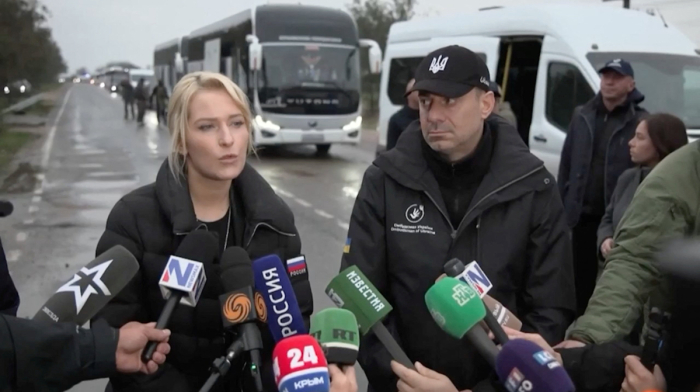
Evacuations and the provision of humanitarian aid in the Russian-occupied southern Ukrainian town of Oleshky have begun, a senior Ukrainian official said on Friday. In a statement on Telegram, David Arakhamia said a six-day ceasefire was holding, and that more details would follow.
Rescuers searched the wreckage of two high-speed trains in central Spain on Thursday as the death toll rose to a provisional 74, making it the country's second fatal high-speed rail disaster this year.
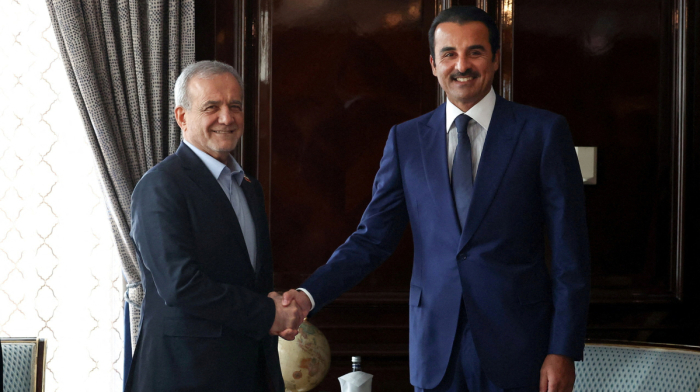
Qatari mediators returned to Tehran on Friday as part of efforts to reach a deal between the U.S. and Iran, according to an official briefed on the talks.
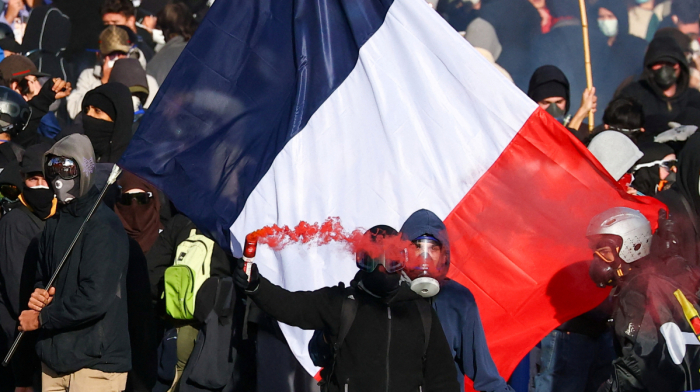
UN human rights experts comprising a group including Special Rapporteurs and independent experts who are part of the UN Human Rights Council, have criticised French authorities over their handling of nationwide student protests.
Demonstrators carrying Iranian flags and placards supporting the hijab gathered outside the Azerbaijani Embassy in London.
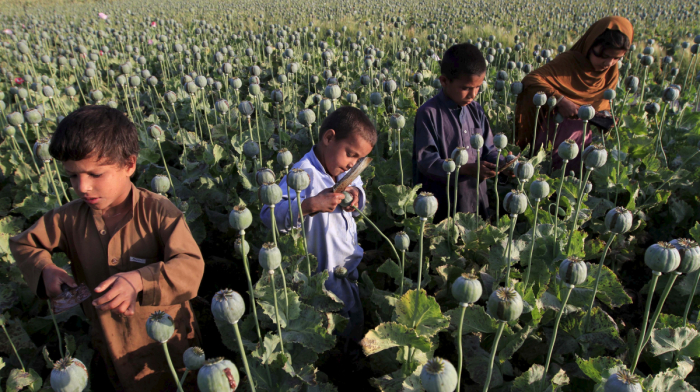
Opium poppy cultivation in Afghanistan surged by 330 per cent in 2026 despite a four-year ban, the United Nations said on Thursday. Afghan authorities disputed the findings, while Japan urged continued support for farmers seeking alternative livelihoods.
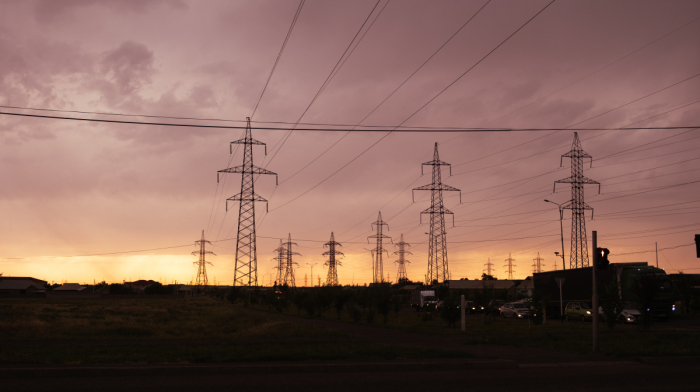
Central Asia could gain up to $640 million a year from closer energy cooperation, but strained electricity grids threaten to limit those gains, with Kazakhstan particularly exposed to regional power shortages and growing pressure on its network.
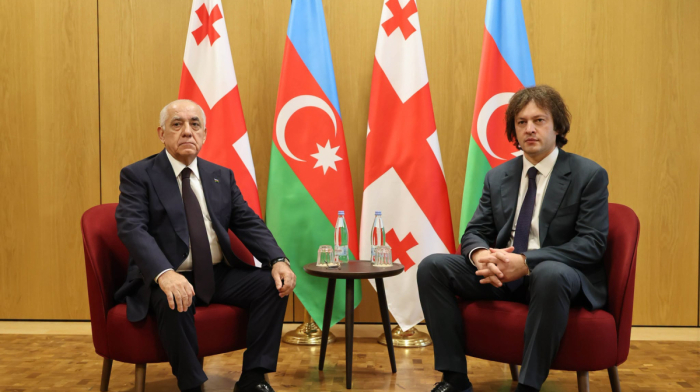
Georgia and Azerbaijan are stepping up efforts to boost trade, strengthen transport links between Asia and Europe and resolve a longstanding border dispute, as both countries seek to deepen their strategic partnership.
People travelling between Uzbekistan, Kazakhstan, Kyrgyzstan, Tajikistan and Azerbaijan could soon be able to pay for purchases using their usual banking apps. Central banks from the five countries are working on linking their national payment systems.
You can download the AnewZ application from Play Store and the App Store.
What is your opinion on this topic?
Leave the first comment