In a highly unusual move highlighting shifting narcotics diplomacy, the U.S. has handed over a Chinese fugitive accused of serious drug crimes to authorities in Beijing.
The extradition, reported on Friday by Xinhua citing police sources, marks the first such repatriation in recent years. The suspect, identified only by the surname Han, is alleged to have led extensive drug trafficking operations.
According to Xinhua, Han was apprehended and repatriated by U.S. Immigration and Customs Enforcement (ICE). The operation reportedly stemmed from intelligence provided by China’s national narcotics control agencies. However, authorities did not disclose the timeline or specify the type of narcotics involved.
The Fentanyl crisis and tariff diplomacy
While details of Han’s alleged crimes remain unclear, the extradition is closely tied to a central issue in U.S.-China relations: the fentanyl crisis.
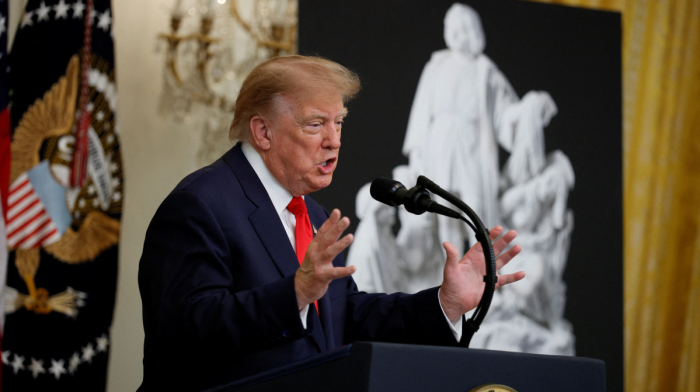
The move comes at a sensitive moment, just weeks before a planned visit to China by U.S. President Donald Trump. The trip, initially scheduled for late March, was postponed to May amid geopolitical tensions linked to the Iran conflict.
President Trump has repeatedly used trade policy to pressure Beijing on narcotics enforcement, imposing tariffs aimed at curbing the export of precursor chemicals used by Mexican cartels to produce fentanyl. The synthetic opioid remains a leading cause of overdose deaths in the U.S.
Following a meeting with Chinese President Xi Jinping in South Korea last October, Trump agreed to ease certain fentanyl-related tariffs. In return, Xi pledged to intensify efforts against illicit chemical and financial networks.
Despite this, tensions persist. Washington accuses Beijing of failing to enforce adequate export controls, while China rejects the claims as politically motivated, arguing that the U.S. crisis is driven by domestic demand and pharmaceutical practices.
Demanding convictions over arrests
The extradition appears to signal cooperation, but scepticism remains in Washington over China’s broader commitment.
Last month, Chinese state media reported an anti-narcotics operation involving seven arrests and 12 individuals placed under “criminal compulsory measures” in a crackdown on fentanyl precursor trafficking. While Beijing presented this as progress, the White House response was muted.
U.S. officials maintain that arrests alone are insufficient. They are calling for convictions, large-scale seizures, and the dismantling of financial networks underpinning the trade.
The return of Han may represent a diplomatic success for Beijing, but as the May summit approaches, pressure remains on Xi to demonstrate sustained and measurable action against the global fentanyl supply chain.



















What is your opinion on this topic?
Leave the first comment