European leaders gathered in Yerevan on 4–5 May for the European Political Community (EPC) summit and the first EU–Armenia summit, placing the South Caucasus and its fragile peace process at the centre of regional diplomacy.
During the EU–Armenia summit, the sides signed a “connectivity partnership” aimed at strengthening transport links and regional integration.
The agreement was concluded in the presence of Prime Minister Nikol Pashinyan, European Commission President Ursula von der Leyen, and European Council President António Costa. It also included a working arrangement between Armenia’s Interior Ministry and Frontex.
The summit followed the 8th European Political Community meeting, which brought together more than 40 European leaders in Yerevan.
EU-Armenia engagement
Dr George Mchedlishvili, Associate Professor at the European University, told AnewZ’s Katie Wilson on the Daybreak programme on Tuesday:
“The event is a real watershed event. For the first time, the summit takes place in Armenia, actually in the European Political Community.”
He said Armenia is “trying to reposition itself in a new light as an important partner for the European Union, pivoting away from Russia cautiously”.
He also underlined the political signal sent by the EU: “The European Union, by attending en masse the summit in Armenia, shows its firm political support behind the incumbents.”
Energy, digital and economic development
Armenian officials highlighted the country’s renewable energy potential, particularly solar power, noting that some regions experience more than 300 sunny days per year.
Prime Minister Pashinyan said Armenia is working with EU partners on energy storage and hydrogen technologies, adding that the country could develop export capacity in the future.
European Commission President Ursula von der Leyen said: “There are limitless opportunities for the development of solar energy in our country.”
She also confirmed EU financial and technical support, including €25 million for energy infrastructure and storage systems.
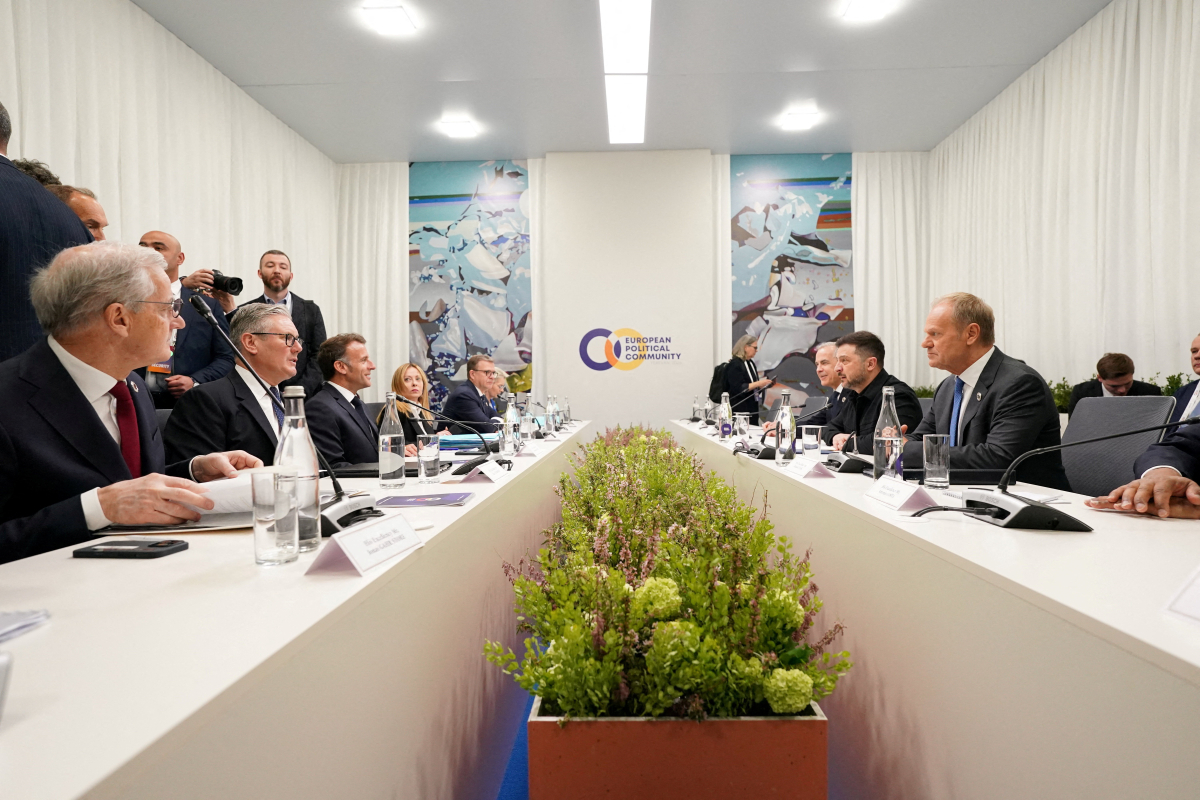
Leaders; Zelenkskyy, Starmer, Macron, Meloni, Pashinyan, Kallas and Carney at the Ukraine multi-lateral meeting in Yerevan, Armenia; 4 May, 2026.
Reuters
Von der Leyen announced expanded EU assistance to Armenia in countering hybrid threats and disinformation, alongside support through the European Peace Facility.
Armenia is also seeking EU support in judicial reform, cybersecurity and digital resilience.
Russia factor and regional tensions
Armenia’s closer engagement with the EU comes amid strained relations with Russia. Commenting on the country’s shifting geopolitical direction, George Mchedlishvili said Russia’s reaction has been strongly negative:
“Russia is extremely disappointed. Russia is extremely angry.”
He added that Moscow’s ability to respond is constrained by wider geopolitical pressures:
“Russia is so much bogged down in Ukraine that [it] simply doesn’t have any meaningful ways today to preclude Armenia from coming closer to the West.”
The peace process between Armenia and Azerbaijan was among the key political themes underpinning discussions at the summit.
EU foreign policy chief Kaja Kallas, whose visit to Azerbaijan on 5 May followed the Yerevan meetings, linked the region’s diplomatic momentum to broader strategic interests.
“Strengthening connectivity between the EU, the South Caucasus, and Central Asia is in our shared strategic interest. The progress on the peace process between Azerbaijan and Armenia represents a historic opportunity, and it’s important to sustain momentum,” Kallas said.
Both Armenian and Azerbaijani leaders referred to progress in the peace process in their respective remarks.
Pashinyan described the EPC forum as an important platform for supporting peace efforts, while Azerbaijani President Ilham Aliyev highlighted the emerging practical benefits of stability, including trade and transport links.
French President Emmanuel Macron warned against external competition in the region, stating:
“The South Caucasus is not destined to be a field of empires competing over it as a trophy.”
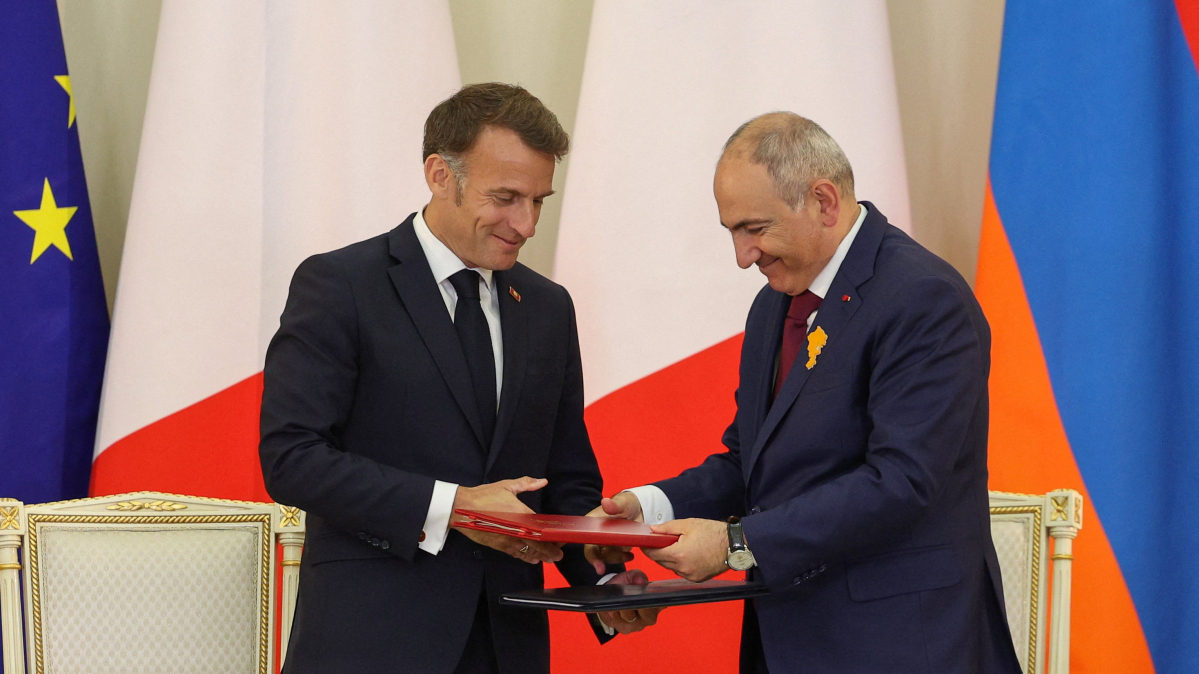
France's President Emmanuel Macron and Armenia's Prime Minister Nikol Pashinyan attend documents signing ceremony in Yerevan, Armenia, 5 May, 2026.
Reuters
Macron argued that the region should instead function as a bridge between Europe, Central Asia and the Middle East, adding that lasting stability can be achieved through international law and cooperation rather than power politics.
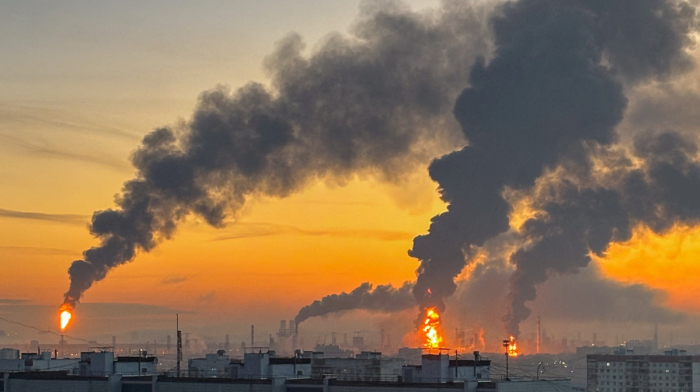
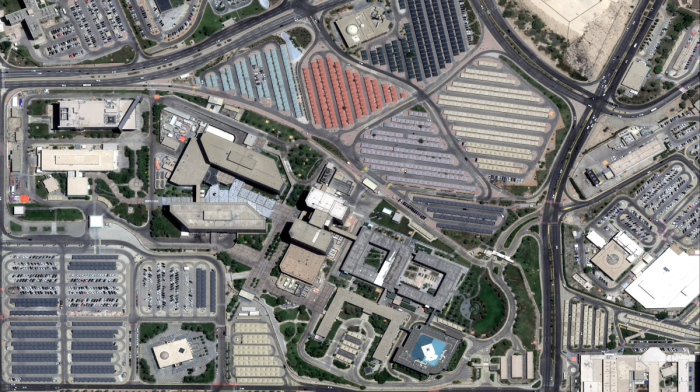
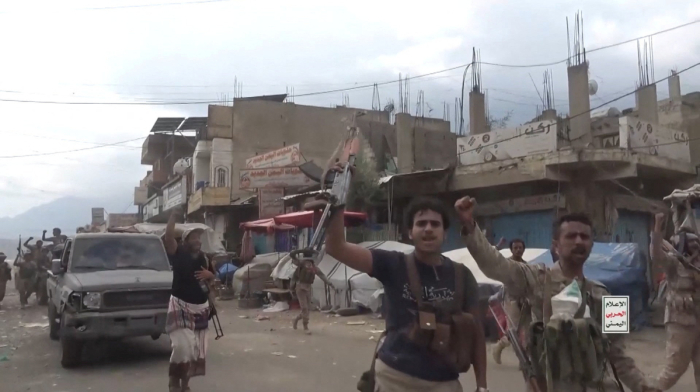
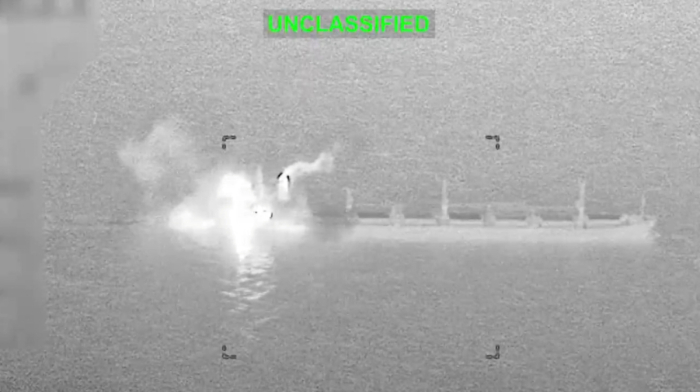
Yemen’s Houthis have claimed responsibility for the recent drone and missile strikes on Saudi Aramco facilities in Dhahran and Riyadh and at King Khalid International Airport in Saudi Arabia, vowing to carry out more attacks in the coming days.
The Saudi-led coalition in Yemen said late Monday that it intercepted and destroyed two ballistic missiles launched by the Houthi group toward Khamis Mushait in southwestern Saudi Arabia.
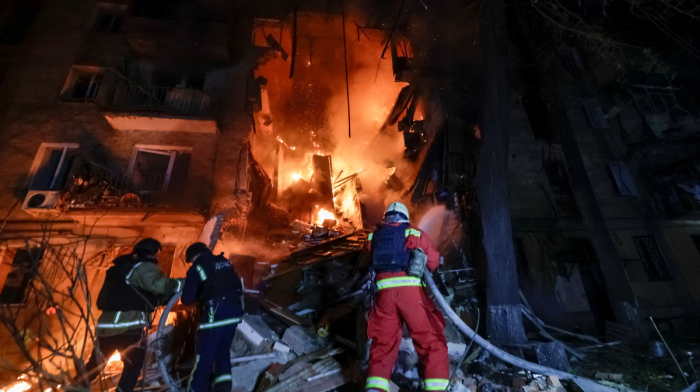
Ukrainian President Volodymyr Zelenskyy says Russia hit at least six energy targets in deadly strikes across Ukraine, showing Moscow is unwilling to accept the energy ceasefire announced by U.S. President Donald Trump.
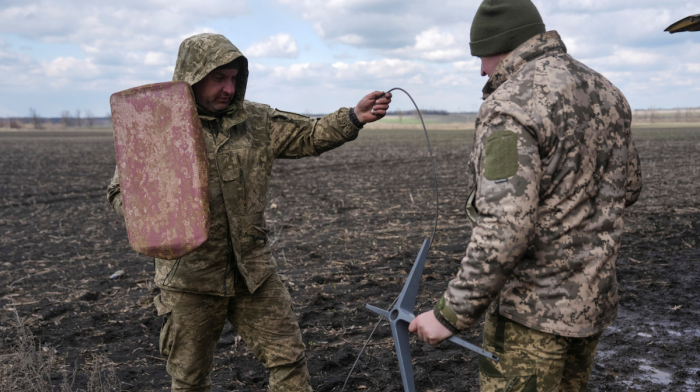
Ukraine's soldiers have had their access to Starlink satellite internet restricted. Kyiv's troops use the terminals, made by Elon Musk's SpaceX, to pilot drones. A source in Ukraine's Defence Ministry said the restrictions would make it harder for Kyiv's army to down Russian drones.
Kazakhstan is considering new rules governing the use of artificial intelligence in newsrooms, including requirements to label AI-generated content. The proposal was discussed at the tenth Astana Media Week, which also focused on digital threats and children's online safety.
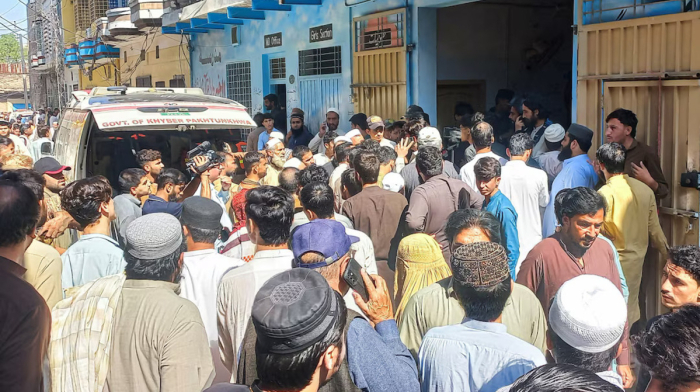
At least 32 children and one teacher were killed when a school roof collapsed during classes in Pakistan’s northwestern city of Peshawar on Thursday (15 October). Twenty others were injured, while authorities warned the death toll could rise as rescue operations continued.
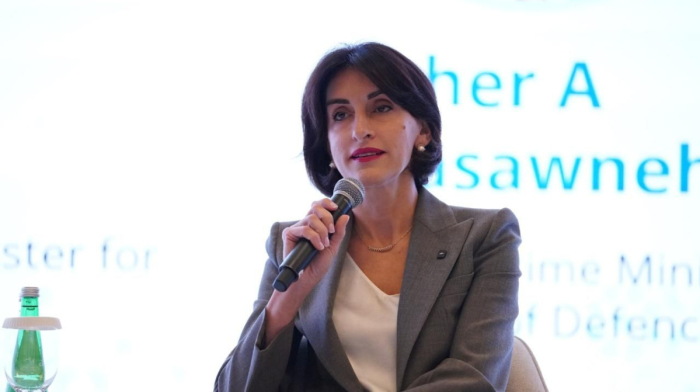
Georgia is seeking closer economic ties with the United Arab Emirates (UAE) as it looks to strengthen its position as a key trade link between Central Asia and Europe amid growing competition over transport routes connecting the two regions.
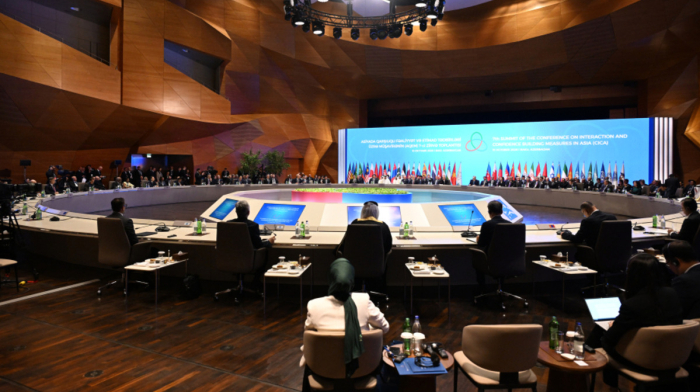
Azerbaijan's chairmanship of the Conference on Interaction and Confidence Building Measures in Asia (CICA) has been extended until 2028, as leaders gather in Baku for the organisation's seventh summit to discuss regional security and cooperation.
Download the AnewZ app
You can download the AnewZ application from Play Store and the App Store.










What is your opinion on this topic?
Leave the first comment