A shift in regional trade dynamics is taking shape in the South Caucasus, as Armenian Prime Minister Nikol Pashinyan outlines current and future transport routes for Armenian goods.
While promoting new railway links through Azerbaijan and the planned “Trump Route” project, Pashinyan also confirmed exports will continue via Georgia for now. This dual-track approach signals a transition period, with Georgia still central but facing rising competition.
Georgia’s established role remains in the short term
For decades, Georgia has served as the main transit route for Armenia, largely due to closed borders with Azerbaijan and Türkiye following the Garabagh conflict. This positioned Georgia as a critical gateway for Armenian trade, linking it to Black Sea ports and global markets.
In his recent remarks, Nikol Pashinyan reaffirmed that this role remains intact. He noted that railway exports via Georgian territory are still operational and will continue until alternative routes are fully reopened. This underlines that, for now, Georgia’s transit function remains primary.
Reopening routes through Azerbaijan
At the same time, Armenia is moving to diversify its transport options. According to Nikol Pashinyan, railway cargo transport through Azerbaijan has already become possible, marking a notable shift after decades of restricted connectivity.
The development is closely tied to the ongoing peace process between Armenia and Azerbaijan. While political negotiations continue to evolve, the reopening of transport links signals practical steps towards economic normalisation and regional integration.
The “Trump route” and future connectivity
Looking ahead, Armenian officials have placed particular emphasis on the proposed “Trump Route” project, intended to expand railway connections further. Although details remain limited, the project is presented as a long-term solution to overcome Armenia’s transport constraints.
If realised, it could create additional corridors linking Armenia to external markets through Azerbaijan, offering alternatives to existing routes. This would not eliminate Georgia’s role but would introduce parallel options within a broader regional network.
Growing competition in regional transit
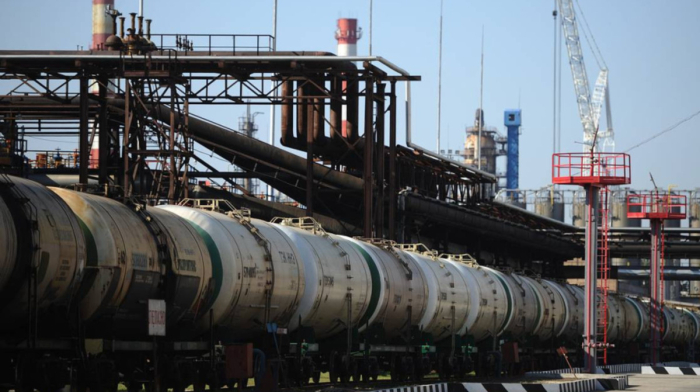
The combination of established routes through Georgia and emerging alternatives via Azerbaijan suggests a shift from a single-corridor system to a multi-route structure. For years, limited connectivity meant most Armenian trade depended heavily on Georgia, creating a structural advantage.
As new routes develop, that advantage may diminish. Transit flows could diversify based on cost, efficiency and reliability. In this context, infrastructure performance and logistical capacity will become increasingly important.
Infrastructure challenges and shifting dynamics
Georgia continues to play a significant role in regional logistics but faces ongoing challenges. Major infrastructure projects, including railway upgrades and port developments, have experienced delays and extended timelines. Capacity constraints on key routes have also been highlighted in recent years.
In a more competitive environment, such factors may carry greater weight. With alternative corridors emerging, the efficiency and speed of transit routes are likely to play a decisive role in shaping regional trade patterns.
A transition rather than a replacement
The developments outlined by Nikol Pashinyan point to a transitional phase in the South Caucasus. Georgia remains a central transit country, as reflected in continued exports through its territory. At the same time, reopened routes and new projects indicate a gradual shift towards a more diversified and interconnected regional system.
As this process unfolds, the balance between established infrastructure and emerging alternatives will shape how trade flows evolve across the region.














What is your opinion on this topic?
Leave the first comment