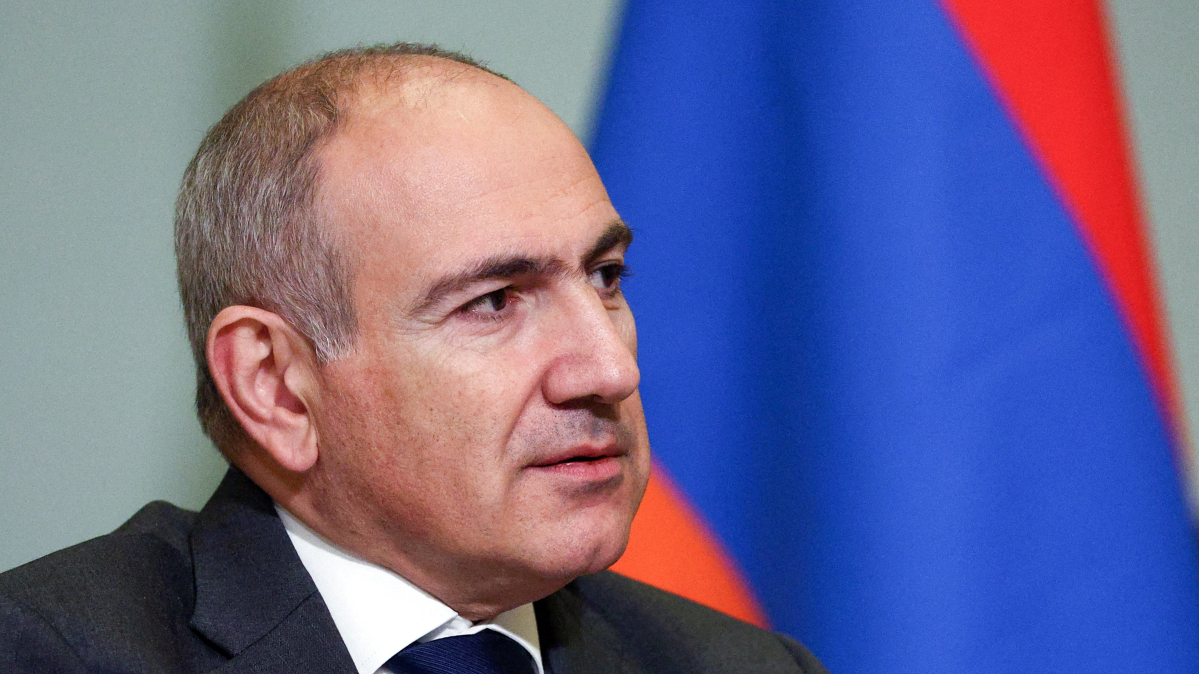
Armenia and Azerbaijan will interconnect their energy systems, enabling mutual electricity imports and exports as part of a wider regional transit initiative, Armenian Prime Minister Nikol Pashinyan said.
Speaking during a parliamentary question session, Pashinyan said the energy systems of Armenia and Azerbaijan would be connected and used on equal terms.
“The energy systems of Armenia and Azerbaijan will definitely be connected, and both sides will mutually use import and export opportunities on the same terms,” he said, referring to the Trump Route for International Peace and Prosperity (TRIPP). He did not provide a timeline or technical details.
The comments came amid sharp questioning in parliament over whether the TRIPP framework signed in Washington is legally binding and what concrete guarantees it offers Armenia. Lawmakers raised concerns about sovereignty, jurisdiction and whether the project delivers clearly defined mutual benefits, noting that the document could be amended or cancelled and questioning whether Azerbaijan is offering reciprocal access.
Responding, Pashinyan said TRIPP is a political framework and roadmap rather than a binding treaty, adding that legally binding agreements would follow later and require parliamentary approval. He insisted there was no transfer of sovereignty, no creation of a corridor and no immediate change to border arrangements.
The proposed route would pass through southern Armenia, providing Azerbaijan with a direct land connection to its exclave of Nakhchivan and onward access to Türkiye. Pashinyan said rail transit through Azerbaijan would begin only after the necessary infrastructure is completed, noting that current transport routes rely on Georgia simply because no direct railway exists.
Pashinyan said there were already visible economic effects, pointing to fuel supplies routed through Azerbaijan, falling petrol prices in Armenia and grain imports transiting Azerbaijani territory.
Azerbaijan has also resumed gasoline shipments to Armenia after a pause of nearly three decades, reflecting a gradual shift towards economic engagement following the conflict.
The emerging connectivity agenda has also drawn growing interest from U.S. business and policy circles. The U.S. Chamber of Commerce, working with the U.S. Department of State and the U.S. Department of Commerce, will lead a business mission to Azerbaijan in early February. The visit is expected to focus on energy, transport and digital transformation, alongside investment, agriculture, healthcare and defence, with meetings planned across government bodies, state-owned firms and major private-sector groups, including the State Oil Company of the Republic of Azerbaijan (SOCAR).
Under the proposed arrangements, the United States would receive long-term development rights for the corridor through a dedicated company, while Armenia would retain sovereignty over its borders, customs, taxation and security. Political differences remain, with Baku continuing to call for changes to Armenia’s constitutional language that it says implies territorial claims.
Analysts say the planned energy interconnection is among the most tangible confidence-building measures so far, linking post-conflict diplomacy with regional connectivity, energy security and economic integration
















What is your opinion on this topic?
Leave the first comment