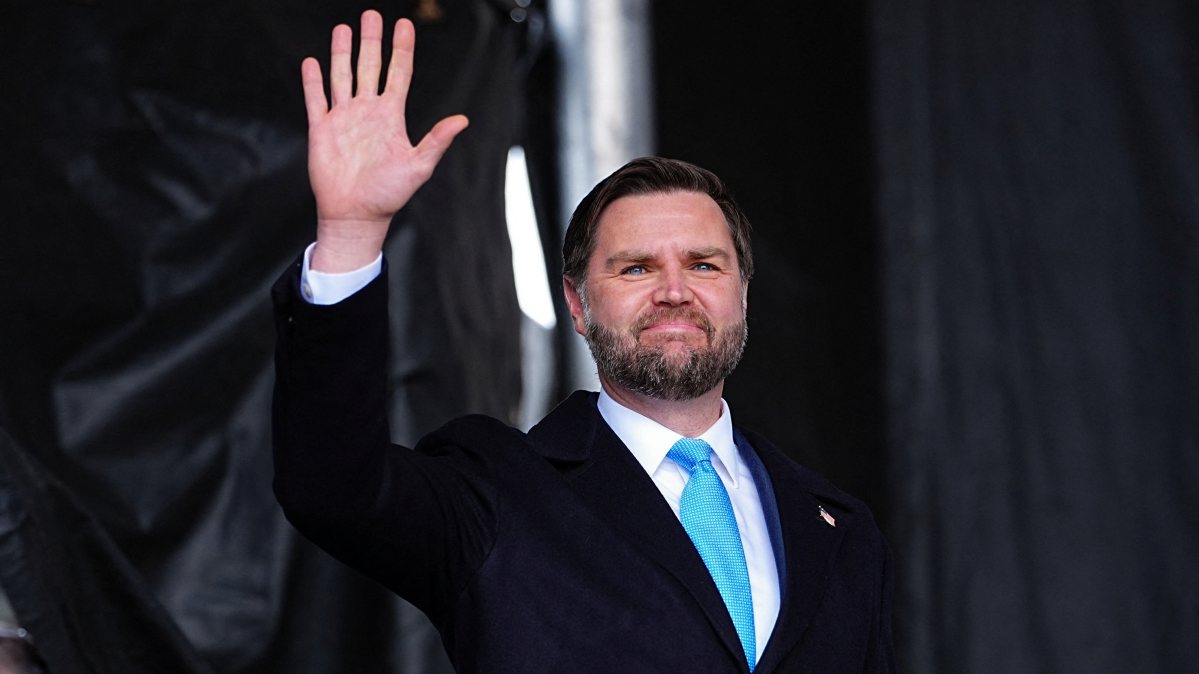
U.S. President Donald Trump has thanked Azerbaijan and Armenia for upholding last August’s peace deal and announced that Vice President J.D. Vance will visit both countries in February.
In a post on Truth Social, Trump praised has Ilham Aliyev and Nikol Pashinyan and said Vance would “build on our peace efforts” and advance the “Trump Route for International Peace and Prosperity”.
He also signalled plans for deeper strategic ties, including nuclear cooperation with Armenia and expanded defence and technology deals with Azerbaijan.
Vance visit marks new phase in U.S. engagement, expert says
Associate Professor Orkhan Valiyev of Khazar University told AnewZ that the announcement comes at a moment when U.S. engagement is taking on a more structured form. Trump’s appearance with both leaders at Davos placed the process “on a different level”, he noted, creating a setting where diplomacy and economic initiatives move together.
Valiyev described the visit as a substantive step rather than a symbolic gesture, pointing to Trump’s references to military equipment for Azerbaijan and new nuclear cooperation with Armenia. “This signals a long-term framework, not a one-off intervention,” he said.
The current environment, in Valiyev’s view, is fundamentally different from the circumstances surrounding earlier high-level U.S. visits to the region. With the conflict over and channels open, the landscape is more stable and more predictable.
Azerbaijan’s approach, he explained, remains centred on balance and clarity. “Azerbaijan’s foreign policy is rational and predictable,” he said, adding that Baku now views its partnership with the United States as strategically important.
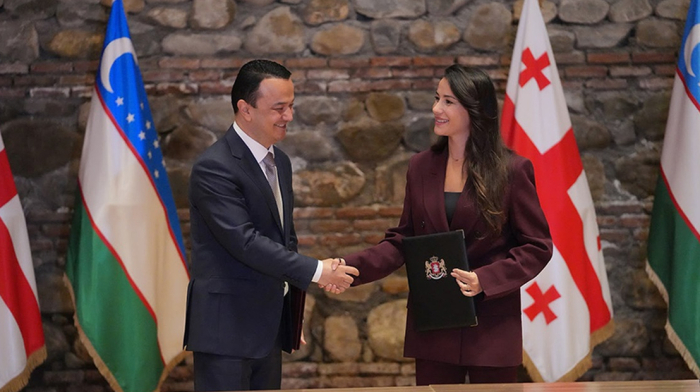
He said the visit also aligns with broader regional formats involving Uzbekistan and Kazakhstan, with Azerbaijan increasingly positioned as a bridge connecting Central Asia to Europe.
“Azerbaijan’s location is strategic,” he said. “It will facilitate cooperation between Central Asia and the West. That is why the Central Asian presidents were also part of the Davos process.”
Developments in Iran, meanwhile, have not altered Baku’s priority of maintaining stability in the South Caucasus.
For Valiyev, the upcoming visit extends the sequence that began with the August breakthrough and continued through Davos. “Each step is reinforcing the next,” he said, describing the February trip as part of a trajectory rather than a standalone event.













What is your opinion on this topic?
Leave the first comment