At the World Economic Forum’s “Defining Eurasia’s Economic Identity” panel on 20 January 2026, leaders from Azerbaijan, Armenia and Serbia discussed how the South Caucasus and wider Eurasian region can strengthen economic ties, peace and geopolitical stability amid shifting global influence.
Among the participants of the session were Azerbaijan’s President Ilham Aliyev, Armenia’s President Vahagn Khachaturyan and Serbia’s President Aleksandar Vučić, alongside business and policy representatives.
President of Azerbaijan Ilham Aliyev underscored the historic nature of the peace process with Armenia, describing the 2025 Joint Declaration signed in Washington as a landmark achievement that brought an end to more than three decades of conflict.
"It was a historical achievement last August when two countries initialed a peace agreement, thus putting an end to three decades plus of war and bloodshed," the Azerbaijani President said.
He stressed the uniqueness of the Azerbaijan-Armenia peace deal since it was signed less than in two years after the last clash.
President Aliyev highlighted that peace is beginning to translate into practical economic cooperation, with strategic cargo, including petroleum products, now moving from Azerbaijan to Armenia, and that Armenia has requested transit through Azerbaijan to Russia, signalling expanding trade links.
He also stressed the importance of national responsibility in global affairs.
“We should no longer rely on international institutions… However, I do not share… pessimistic views. Because if we bring the situation under control and take sufficient responsibility regarding our national interests, then the success of the peoples is possible.”
President Ilham Aliyev emphasised Azerbaijan’s political sovereignty and diversified partnerships, noting agreements with ten EU states, a comprehensive strategic partnership with China, and discussions on a strategic charter with the United States.
President of Armenia Vahagn Khachaturyan also welcomed the normalisation progress, stressing that the current situation is unprecedented.
“Peace is not a normal situation for us… we are living in a situation we have not seen for more than 30 years," he said.
President Khachaturyan described existing cargo transport via Georgia as a symbol of evolving cooperation and said that direct transport links between Baku and Yerevan will help overcome problems that arose in the 1990s, enhancing regional economic integration.
He expressed confidence that, in the future, Armenia will be able to receive cargo from Azerbaijan directly via local railways.
Serbian President Vučić added that smaller states in Eurasia must work together to protect their sovereignty while building influence, calling Azerbaijan and Armenia “friendly countries” and advocating cooperation on innovation, AI and defence.
Panel discussions also touched on the strategic role of the South Caucasus as a bridge between Europe and Asia and the importance of transport connectivity and economic integration in shaping Eurasia’s identity in an increasingly multipolar world.
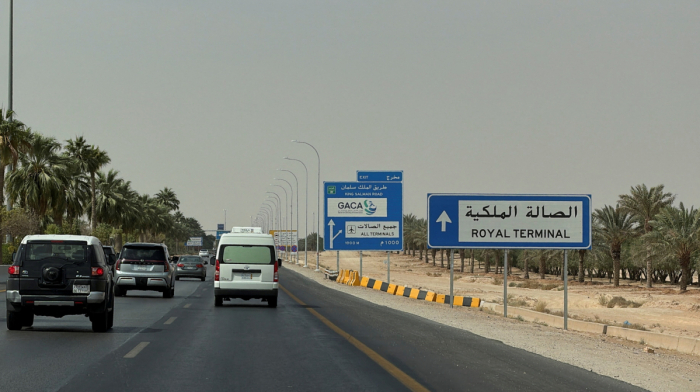
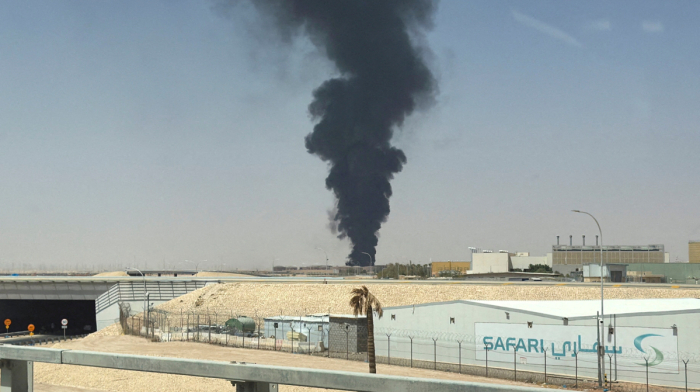
One person was killed and nearly a dozen hurt in a fresh attack on Riyadh's international airport on Sunday, Saudi authorities reported, a day after a strike claimed by Yemen's Houthis killed 13 people and wounded more than 300.
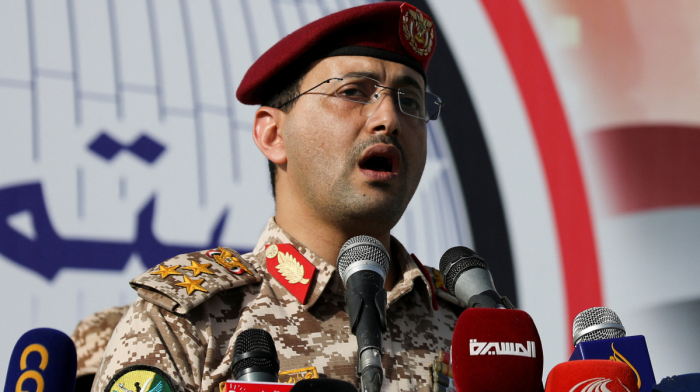
Yemen's Houthis renewed warning to airlines, airport workers, and travellers against using Saudi airports, saying the warning should be taken seriously and that the kingdom “bore responsibility for failed interceptions”, a day after an attack on Riyadh's international airport that killed 12 people.
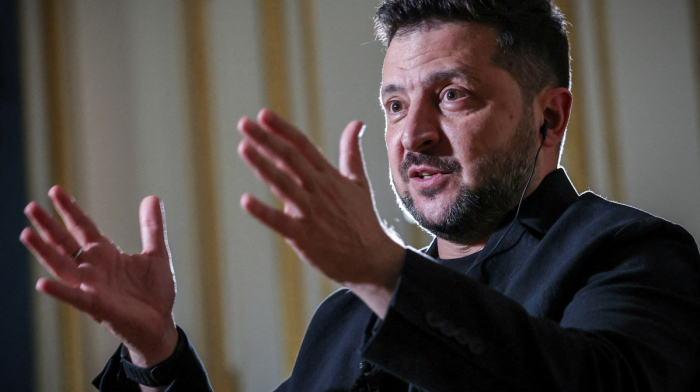
The Kremlin on Monday rejected a 60-day ceasefire idea proposed by Ukrainian President Volodymyr Zelenskyy to allow his country to hold presidential elections, saying it wanted an overall peace deal instead.
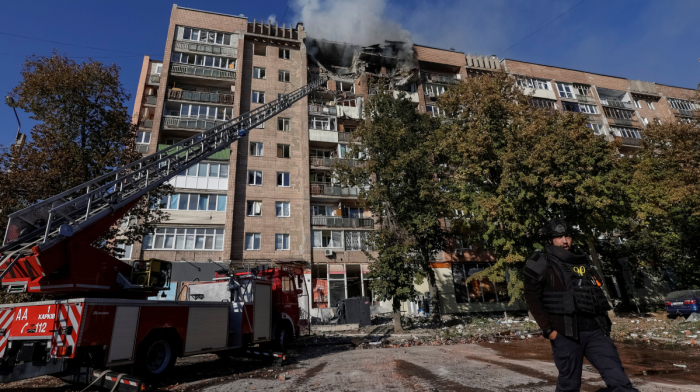
Ukraine is ready to stop attacks on Russian oil refineries if Moscow also halts strikes on Ukrainian energy infrastructure, President Volodymyr Zelenskyy said on Sunday.
The Saudi-led coalition in Yemen said late Monday that it intercepted and destroyed two ballistic missiles launched by the Houthi group toward Khamis Mushait in southwestern Saudi Arabia.
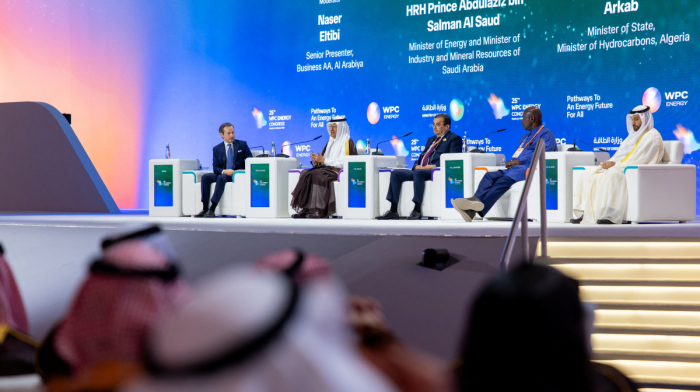
Energy security dominated the opening day of the 25th WPC Energy Congress in Riyadh, as Saudi Arabia warned of a serious response to recent attacks and industry leaders confronted growing threats to global oil and gas supplies.
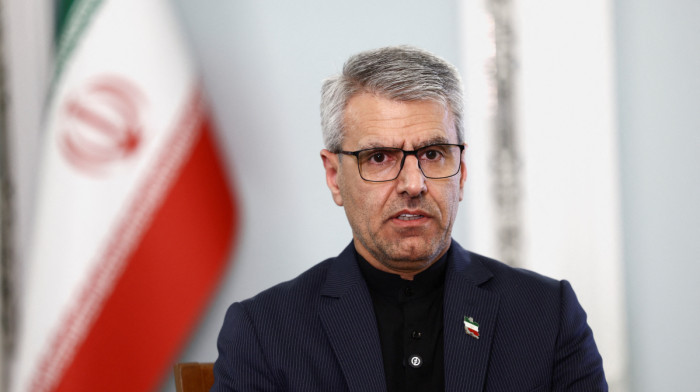
Iran has offered to help ease escalating tensions between Saudi Arabia and Yemen's Houthis, warning that further conflict would benefit only Israel. The offer followed a phone call between the Iranian and Saudi foreign ministers.
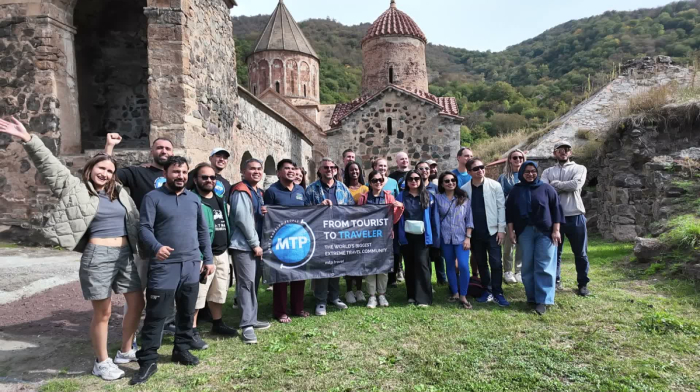
A delegation of around 40 international travellers from 13 countries has concluded a three-day tour of Azerbaijan’s Garabagh and East Zangezur regions, exploring historic landmarks, reconstruction projects and an active mine clearance site.
One person was killed and nearly a dozen hurt in a fresh attack on Riyadh's international airport on Sunday, Saudi authorities reported, a day after a strike claimed by Yemen's Houthis killed 13 people and wounded more than 300.
Download the AnewZ app
You can download the AnewZ application from Play Store and the App Store.









What is your opinion on this topic?
Leave the first comment