EU sanctions and new U.S. tariffs increase pressure on Kazakhstan and Kyrgyzstan
Kazakhstan and Kyrgyzstan are facing renewed Western scrutiny after the EU expanded sanctions targeting Russia's supply chains and the U.S. introduced...
The strengthening of bilateral ties and peace initiatives in South Caucasus were in focus as President of Azerbaijan Ilham Aliyev met U.S. President Donald Trump in Davos, Switzerland, on Thursday (22 January), on the sidelines of the World Economic Forum 2026.
The leaders welcomed the development of relations across various sectors following President Trump’s return to office.
Trump’s role in facilitating agreements aimed at advancing peace between Azerbaijan and Armenia, reached in Washington on 8 August last year, was highlighted.
President Aliyev outlined the steps taken towards the normalisation of relations between the two countries, noting that peace has already been established in the region. He pointed to tangible outcomes such as the export of Azerbaijani oil products to Armenia and the transit of imported grain through Azerbaijani territory.
The Azerbaijani President also emphasised the strategic importance of the Zangezur Corridor, including the TRIPP project, in enhancing regional connectivity.
There was also discussion about the Board of Peace, chaired by President Trump, with both leaders noting its role in strengthening peace in the Middle East and contributing to the resolution of global conflicts. Azerbaijan’s invitation to join as a founding member was described as a reflection of the Azerbaijan–U.S. strategic partnership and the country’s contribution to global peace efforts.
Finally, the Presidents exchanged views on the future of bilateral relations, stressing the importance of reciprocal visits and high-level contacts to further deepen cooperation.

Start your day informed with AnewZ Morning Brief. Here are the top news stories for the 23rd of July, covering the latest developments you need to know.
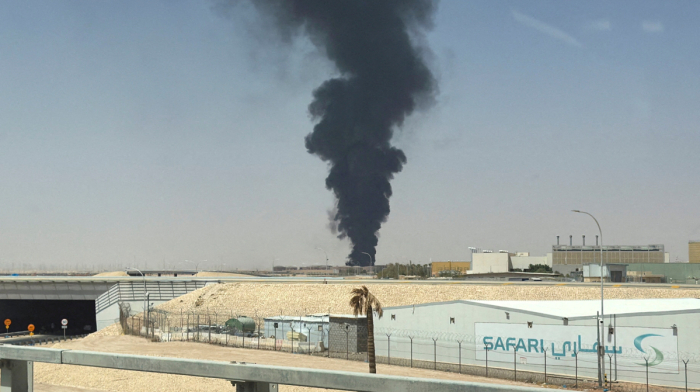
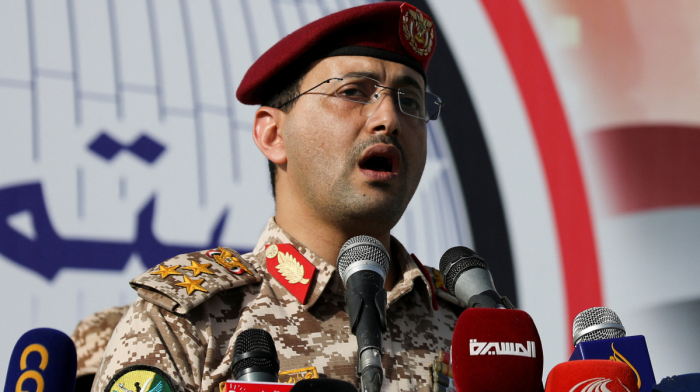
U.S. strikes on Iran entered a 12th consecutive night, while Yemen's Houthis said they attacked two Saudi oil tankers in the Red Sea, urging President Donald Trump to warn Tehran it would be held responsible for any future Houthi attacks.
The U.S. military said it completed a fresh wave of strikes on Iran late on Thursday, marking the 13th consecutive night of American attacks. The latest operation lasted more than two hours, according to U.S. Central Command.
Start your day informed with AnewZ Morning Brief. Here are the top news stories for the 24th July, covering the latest developments you need to know.
Aleksandar Vučić's visit to Kyiv on 15 July appeared to send a geopolitical signal. But the significance of the trip lies less in the journey itself than in the limits Serbia carefully observed.
A new state agency wants the world to take Georgian food as seriously as Georgians already do.
Kazakhstan's grain sector faces a difficult season as drought reduces harvest prospects while mounting security risks in the Black Sea threaten to redirect cheaper Russian grain into Central Asian markets.
Uzbekistan welcomed 6.56 million foreign tourists in the first six months of 2026, a 24.9% increase compared with the same period last year, according to the National Statistics Committee. The figures underline the country's growing appeal as one of Central Asia's leading travel destinations.
Azerbaijan’s Milli Majlis has condemned discussion of Bill H.R. 9087 by the U.S. House Foreign Affairs Committee, rejecting what it described as unfounded accusations against Baku and warning the measure could undermine efforts to advance the Azerbaijan-Armenia peace process.
Pakistan on Thursday warned Yemen's Houthi movement that any attack on Pakistani-flagged vessels or the country's maritime interests would cross a "red line" and trigger a response under its right to self-defence.
You can download the AnewZ application from Play Store and the App Store.
What is your opinion on this topic?
Leave the first comment