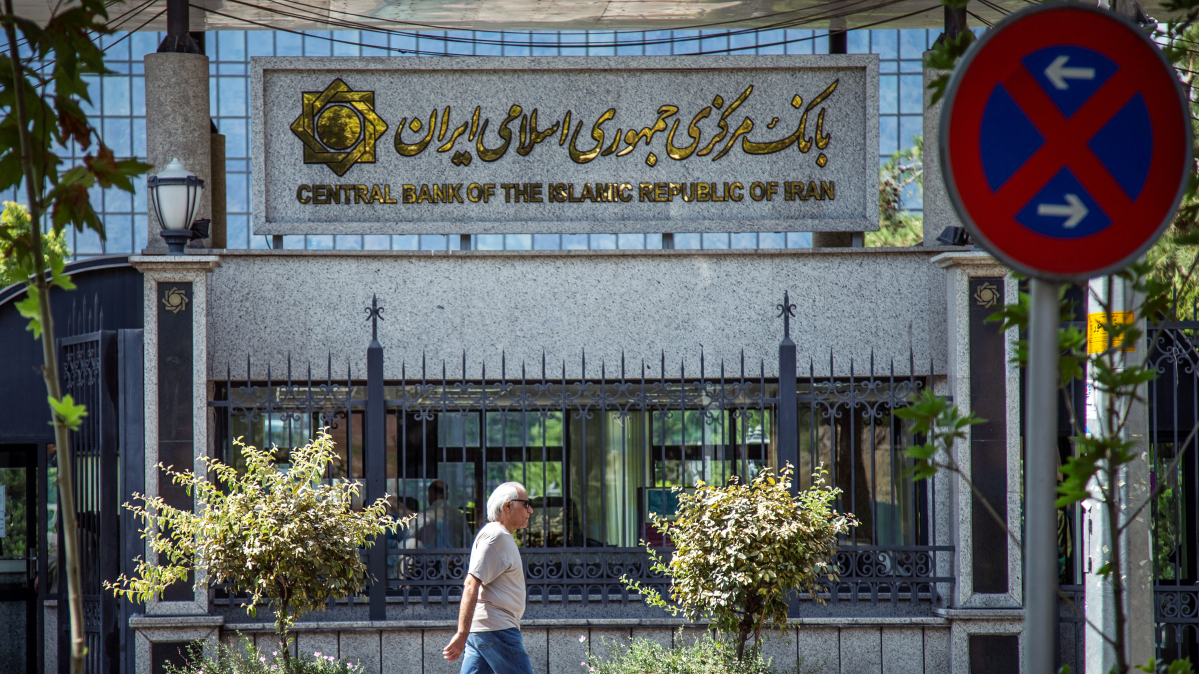
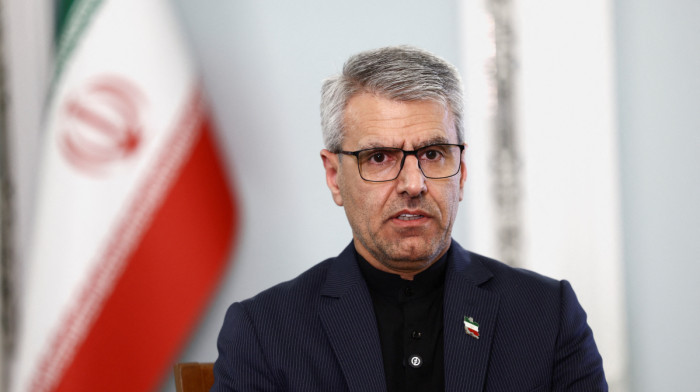
Iran’s central bank governor has sought to reassure the country’s financial markets, saying Tehran has enough foreign currency reserves despite mounting U.S. sanctions and economic pressure.
Abdolnaser Hemmati said on Tuesday, 1 September, that the Central Bank of Iran was prepared to inject up to $2 billion into the foreign exchange market to ease recent volatility.
“I am telling the President of the United States: Iran has (foreign) currency and it has enough,” Hemmati said, according to the semi-official Tasnim news agency.
Pressure on Iran’s economy
Hemmati’s comments come as Iran’s economy faces growing pressure from U.S. sanctions and a wider confrontation with Washington, exacerbated by a trade of strikes overnight Tuesday.
U.S. Treasury Secretary Scott Bessent had said on Monday that Tehran was “lashing out kinetically because they are losing economically”, arguing that sanctions were putting increasing strain on the Iranian economy.
Washington has stepped up its use of economic measures against Iran and has warned companies doing business with Tehran that they could also face U.S. sanctions.
Rial hits record low
The reassurances come after Iran’s currency fell to a record low in August, passing two million rials to the U.S. dollar for the first time.
Annual inflation also reached 66 per cent in July, adding to the pressure on households already dealing with rising prices and a weaker currency.
Iranian President Masoud Pezeshkian has acknowledged the difficulties facing the economy, particularly as sanctions and restrictions on trade weigh on the country.
'Collapse has never happened'
Hemmati said the central bank was continuing to collect foreign currency payments and had access to domestic reserves and other resources, although he said details could not be made public.
He acknowledged that daily life had become harder for many Iranians, but rejected suggestions that the economy was heading towards collapse.
“I tell the people with complete honesty that economic conditions and livelihood management have become difficult, but collapse has never happened and will never happen,” he said.
Hemmati dismissed claims about an economic collapse as “psychological warfare”, adding that “the dust will settle soon”.
His comments reflect Tehran’s attempt to project economic stability at a time when the falling rial, high inflation and tougher U.S. sanctions are placing renewed strain on the country’s finances.
Read more about Iran:











What is your opinion on this topic?
Leave the first comment