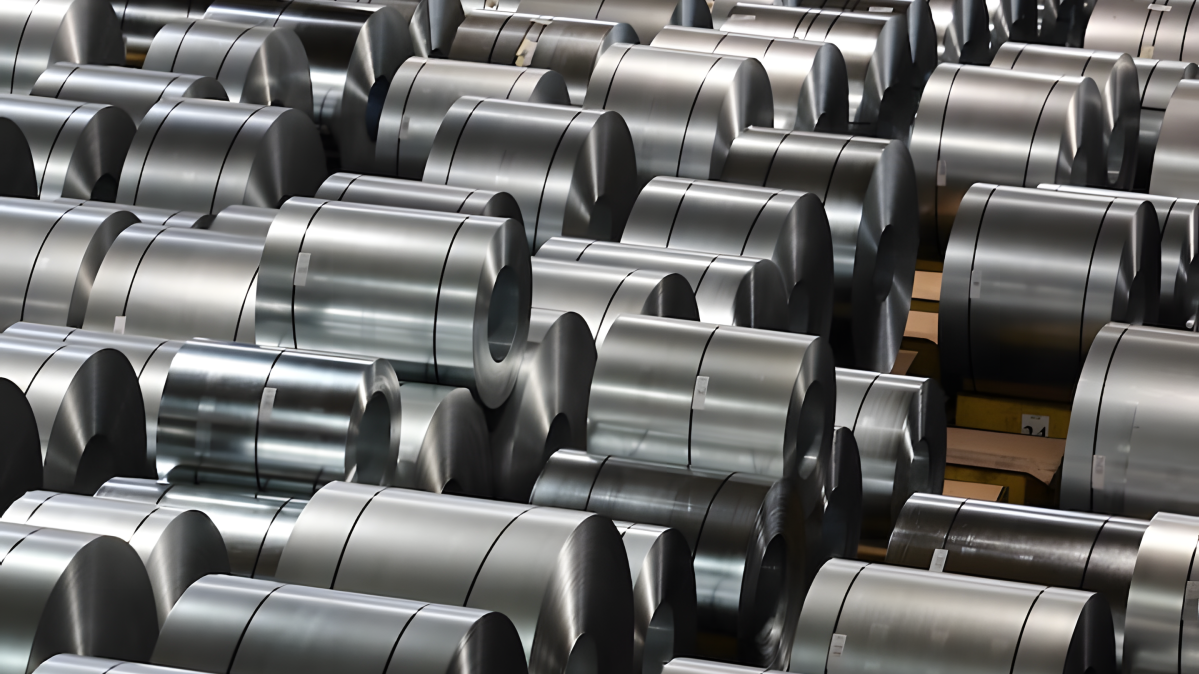
The European Union has reached a preliminary agreement to restrict foreign metal imports, nearly halving tariff-free steel volumes and imposing 50 per cent tariffs on excess shipments to protect domestic industry.
The move is intended to shield Europe’s steel sector from global overproduction and U.S. trade barriers.
EU steel producers are currently operating at around 65 per cent capacity, reflecting a sustained rise in low-cost imports. This has been compounded by the reintroduction of 50 per cent tariffs by U.S. President Donald Trump, effectively closing off the American market to European exporters.
The new measures, agreed in Brussels, aim to limit supply, support domestic prices and raise capacity utilisation to a target of 80 per cent.
Slashing quotas and tightening origin rules
Following negotiations, representatives from the European Parliament and the Council, the body representing EU member states, agreed late on Monday to overhaul the quota system.
Under the new framework, tariff-free imports will be capped at 18.3 million metric tonnes per year — a 47 per cent reduction compared with 2024 levels.
Out-of-quota duties will double from 25 per cent to 50 per cent. The changes are expected to reshape global trade flows. Major exporters to the EU - including Turkey, South Korea, Indonesia, China, India, Ukraine and Taiwan - are likely to face reduced access to the market.
The EU steel market is currently protected by “safeguard” measures introduced during Trump’s first term to prevent diverted exports from flooding Europe. These include quotas and 25 per cent tariffs above those limits.
Under World Trade Organization (WTO) rules, such measures must expire after eight years. The current safeguards are due to end on 30 June.
The European Commission, which proposed the new system in October, warned of continued decline without stronger protections. It said the sector has lost around 100,000 jobs since the 2008 financial crisis.
To prevent circumvention, the updated rules will focus on where steel is originally “melted and poured”. This is intended to stop producers rerouting steel through third countries to avoid tariffs. The system will be subject to regular review.
Phase-out of Russian steel imports
The agreement also includes a commitment to phase out steel imports from Russia.
Despite sanctions following the invasion of Ukraine, some Russian steel has continued to enter the EU. Around 3.7 million tonnes of raw steel slabs were imported last year, mainly for use in Eastern European mills.
The new plan sets a deadline to end these imports, potentially by September 2028, requiring companies to find alternative suppliers.
The agreement is preliminary and requires formal approval. Both the European Parliament and the European Council must ratify the measures in the coming weeks for them to take effect before the current safeguards expire in late June.












What is your opinion on this topic?
Leave the first comment